
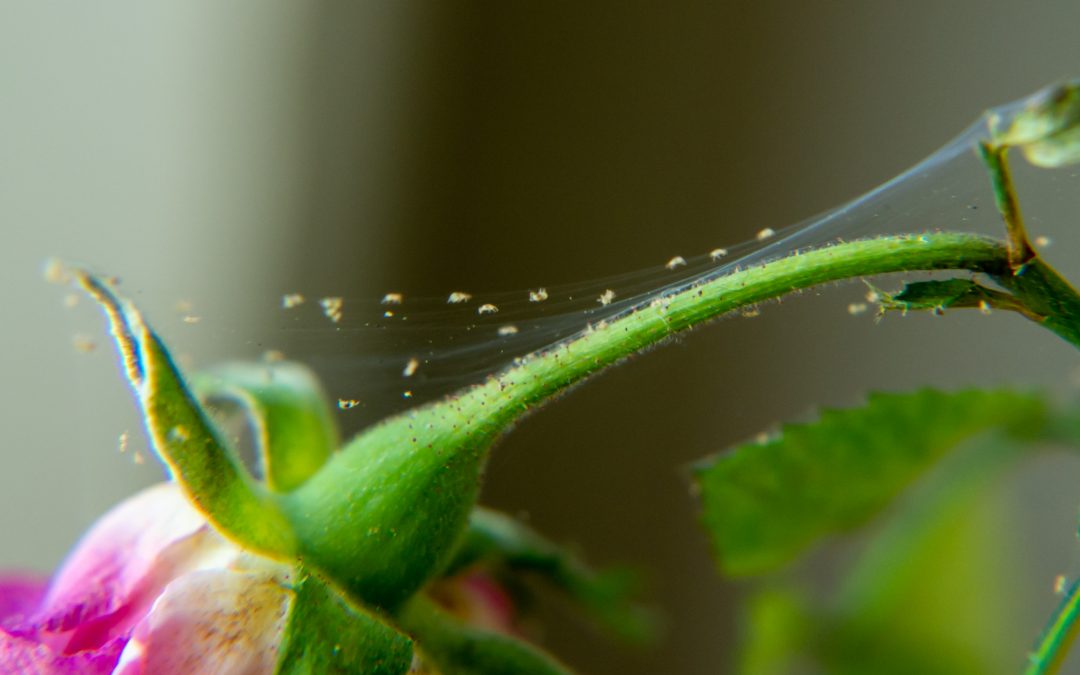
Spider mites are one of the most common indoor plant pests, and they’re easy to miss until the damage shows up. If your leaves look speckled, dusty, or slightly “washed out”, or you’ve spotted fine webbing between stems, you can usually fix it at home with a simple routine that focuses on washing + repeat treatments (one spray rarely finishes them).
Contents
- 0.1 How to tell if it’s spider mites
- 0.2 Why spider mites happen indoors
- 0.3 The fast reset you should do today
- 0.4 The 2–3 week plan that actually gets rid of spider mites
- 0.5 Fix the conditions that caused them (so they don’t return)
- 0.6 Common mistakes that keep spider mites alive
- 0.7 FAQs About Spider Mites on Houseplants
- 0.8 Final Thoughts on Spider Mites on Houseplants
- 0.9 Related Articles
- 1 Keep Spider Mites Away With Better Humidity and Airflow
Quick answer
Spider mites thrive in warm, dry, still air and multiply quickly. To get rid of them, isolate the plant, rinse the leaves (especially undersides), wipe away mites and eggs, then treat the leaf undersides on a repeat schedule for 2–3 weeks.
Do this first: Move the plant away from the rest, then rinse the leaves and undersides under lukewarm water for 60 seconds to knock the population down straight away.
How to tell if it’s spider mites
Common signs include:
fine speckling (tiny pale dots) across the leaf surface
leaves looking dull, dusty, or “dry” even when watered
fine webbing at leaf joints or between stems
leaf edges browning or curling
tiny moving dots if you look closely on the underside
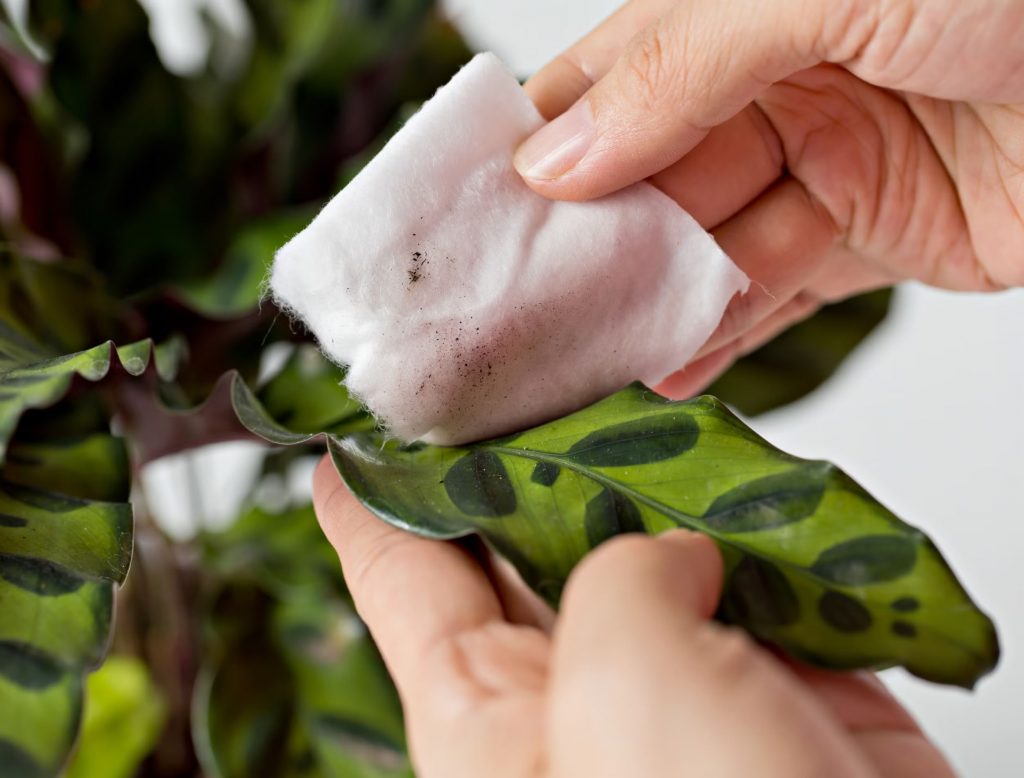
A quick check: wipe the underside of a leaf with a damp white tissue. If you see faint brown/red smears, that often indicates mites.
If you’re dealing with other flying pests, it can help to compare symptoms with Fungus gnats in houseplants.
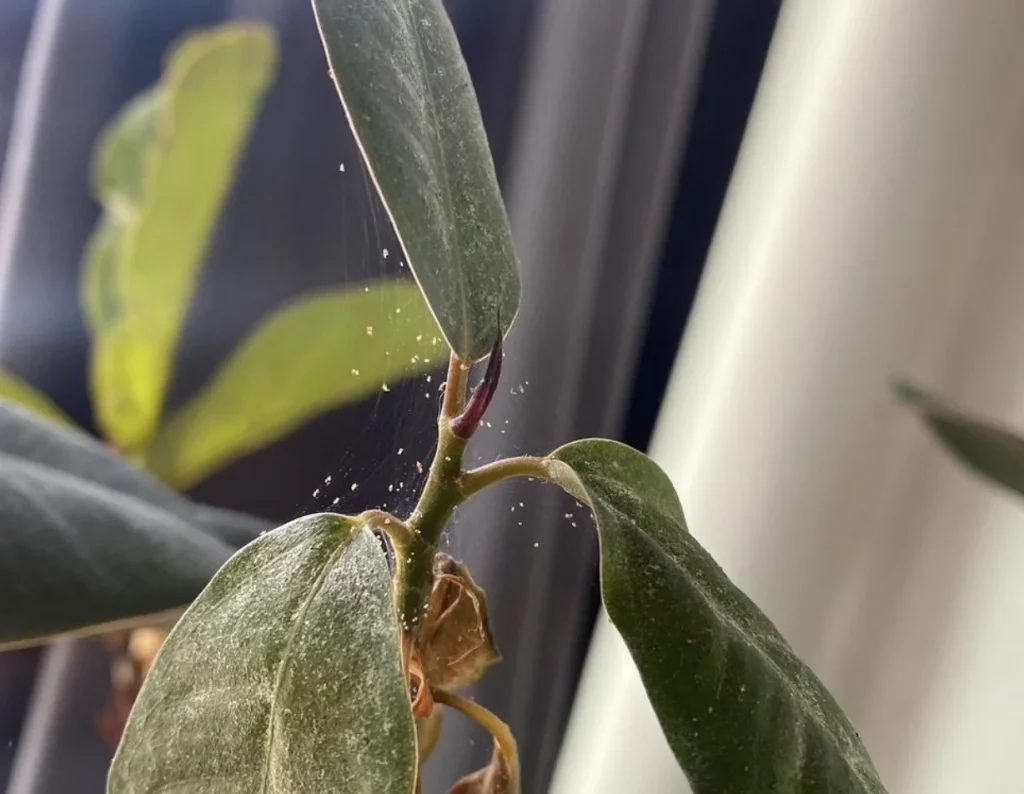
Why spider mites happen indoors
Spider mites love conditions that are common in homes:
dry air (especially winter heating)
warm rooms and windowsills
crowded plants with poor airflow
dusty leaves (mites hide and feed more easily)
If you’ve been seeing a few different “small issues” lately, a simple weekly check makes a big difference. That’s why having a quick Indoor plant maintenance routine helps you catch mites before webbing appears.
The fast reset you should do today
This cuts the population down immediately, so treatments actually work.
1) Isolate the plant
Move it away from other plants. Spider mites spread easily, especially when leaves touch.
2) Rinse the leaves and undersides
Use lukewarm water and focus on leaf undersides. For tougher plants, a shower rinse works well. Let the plant drain fully afterwards.
3) Wipe the leaves
A gentle wipe removes mites, eggs, and the dusty film they hide under. If your plant’s leaves are generally grimy, this makes treatment easier and the plant looks better fast — Clean houseplant leaves.
The 2–3 week plan that actually gets rid of spider mites
Spider mites are beatable, but they’re stubborn because eggs hatch in waves. The key is repeat coverage.
Step 1: Choose a treatment and apply it properly
For indoor plants, these are common options:
Insecticidal soap (good starter option for leaf pests)
Horticultural/neem-based sprays (often used for mites, but test first)
Whichever you use, the rule is the same: coat the undersides thoroughly and don’t rely on one pass.
If you want something simple to apply evenly, a hand pump sprayer makes underside coverage much easier without soaking the pot.
If you’re using a ready-to-use product, an insecticidal soap spray is usually the least fiddly way to start.
Step 2: Repeat on a schedule (this is the part that stops the comeback)
Use this simple schedule:
Day 1: rinse + wipe + spray
Day 4: spray
Day 7: spray + quick wipe of undersides
Day 10: spray
Day 14: spray and check carefully
Day 18–21: final check and one more spray if needed
A quick note for peace of mind: the Royal Horticultural Society recommends focusing on practical steps like physically removing pests, improving growing conditions, and using suitable treatments for soft-bodied pests — which is why rinsing, wiping, and repeating treatments works so well for mites indoors.
Fix the conditions that caused them (so they don’t return)
Once the population drops, prevention is mostly about making the environment less perfect for mites.
Increase humidity slightly and improve airflow
You don’t need a rainforest, but mites thrive in very dry, still air. Simple changes help:
space plants out so leaves don’t touch
open a window regularly (when safe)
consider a small fan on low nearby (not blasting directly)
Avoid stressing the plant
Stressed plants get hit harder. If your compost stays wet for ages or smells off, your plant will struggle to recover from pests. If that sounds familiar, it’s worth sorting the root environment too with Why indoor plant soil smells bad.
Common mistakes that keep spider mites alive
treating once and stopping when the webbing disappears
only spraying the top of leaves (undersides matter most)
not isolating the plant, so you keep getting re-infected
using strong DIY mixes that stress/burn leaves
leaving dusty leaves (mites love it)
FAQs About Spider Mites on Houseplants
How long does it take to get rid of spider mites?
Most indoor infestations take 2–3 weeks with proper repeat treatments. Heavy infestations can take longer, especially in warm dry rooms.
Do spider mites live in the soil?
They mainly live on leaves, especially undersides. If insects are mostly coming from the potting mix, it’s more likely fungus gnats.
Can I just rinse the plant every day instead of spraying?
Rinsing helps a lot, but eggs and hidden mites often survive. A repeat spray schedule is usually what finishes the job.
Why do spider mites come back after treatment?
Usually because treatment stopped too early, undersides weren’t fully covered, or the room stayed very dry and still.
Should I throw the plant away?
Not usually. If you have lots of plants and one is heavily infested, removing that one “source” plant can sometimes protect the rest, but most cases are manageable.
Final Thoughts on Spider Mites on Houseplants
Spider mites are frustrating because they’re tiny and fast, but they’re beatable when you combine the right steps. Isolate the plant, rinse and wipe leaf undersides, then treat on a repeat schedule for 2–3 weeks so you catch hatchlings. Once they’re under control, keep leaves clean, improve airflow, and do quick underside checks so they don’t get a head start again.
Related Articles
Fix the stress that makes pests stick around
Keep Spider Mites Away With Better Humidity and Airflow
Spider mites thrive in warm, dry, still air, so prevention is mostly about improving conditions rather than doing constant treatments.