
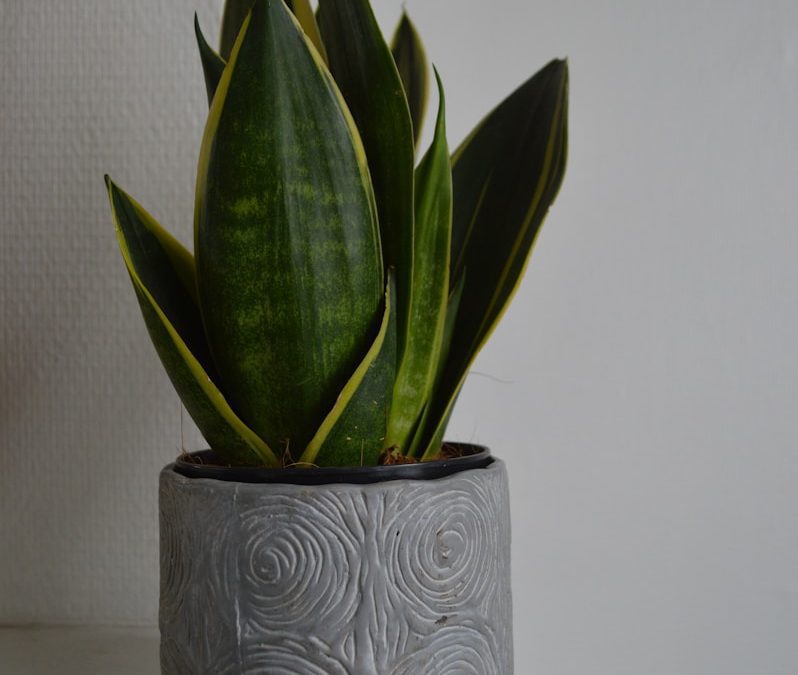
Snake plants (Sansevieria / Dracaena trifasciata) are famous for being “unkillable”, but they still sulk if they sit in soggy soil or dark corners for too long. With the right snake plant care indoors, they’re tough, slow-growing and perfect for busy or beginner plant owners.
In this article, you’ll learn how to look after snake plants indoors – from light and watering to soil, repotting and fixing common problems. If you’re creating a wider indoor jungle, you might also like Indoor Garden Care.
Contents
- 0.1 Snake Plant Care Basics Indoors
- 0.2 Light Requirements for Snake Plants
- 0.3 Best Soil and Pots for Snake Plants
- 0.4 How to Water Snake Plants Indoors
- 0.5 Feeding, Repotting and Propagating Snake Plants
- 0.6 Common Snake Plant Problems and Fixes
- 0.7 FAQs About Snake Plant Care Indoors
- 0.8 Final Thoughts on Snake Plant Care
- 0.9 Related Articles
- 1 Essential Indoor Gardening Tools & Tips
Snake Plant Care Basics Indoors
Snake plants are succulents with thick, upright leaves that store water. That means they prefer:
Bright light (but can tolerate some shade)
Gritty, fast-draining soil
Pots with drainage holes
Infrequent, deep watering
Light feeding only during the growing season
Once you get these basics right, most of the classic problems – drooping leaves, root rot, strange wrinkles – become much less likely.
Light Requirements for Snake Plants
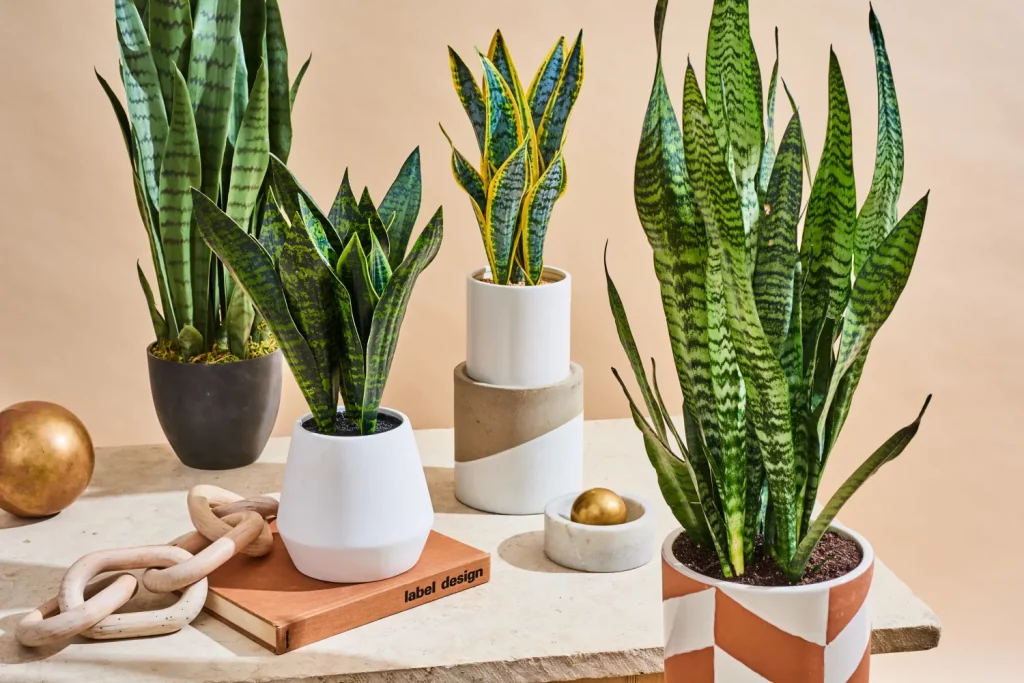
Snake plants are flexible, but they do have preferences.
Best: bright, indirect light near an east- or west-facing window.
Acceptable: light shade a bit further back in the room.
Not ideal: very dark corners with almost no natural light.
Signs your snake plant needs more light:
Leaves leaning dramatically towards the window
New leaves growing narrow, weak or floppy
Overall growth extremely slow, even in spring and summer
If your room is naturally dim, placing a snake plant under a slim LED grow light bar for shelves can help keep it compact and upright rather than stretched.
Best Soil and Pots for Snake Plants
Soil
Snake plants hate sitting in wet, heavy compost. They want a mix that drains quickly.
Use a cactus and succulent potting mix rather than standard houseplant soil.
Or mix your own: 2 parts multi-purpose compost, 1 part grit or perlite.
The aim is for soil that dries out in a reasonable time between waterings.
A gritty cactus and succulent potting mix gives snake plant roots the drainage they need and helps prevent rot.
Pots
Always choose pots with drainage holes. Cachepots without holes should only be used as outer decorative covers.
Terracotta is great for snake plants because it lets excess moisture escape.
Pick a pot only slightly wider than the root ball – huge pots hold too much wet soil around slow-growing roots.
A set of simple terracotta pots with drainage and saucers is ideal if you want a line of snake plants along a windowsill or floor.
How to Water Snake Plants Indoors
Despite their “low-maintenance” reputation, snake plants are very particular about water.
How Often to Water
There’s no exact schedule, but as a rough guide:
Spring and summer: every 2–3 weeks in bright light.
Autumn and winter: every 4 weeks or more, especially in cooler rooms.
Always check the soil first:
Let most of the pot dry out between waterings.
The top few centimetres should feel completely dry before you water again.
A soil moisture meter for indoor plants can help you see what’s happening deeper in the pot, which is especially useful for tall snake plants in deep containers.
How to Water Properly
Water the soil around the base of the leaves, not into the leaf rosette.
Water thoroughly until a little water runs out of the drainage holes.
Empty any outer cachepot or saucer after 10–15 minutes so roots aren’t sitting in water.
Overwatering signs:
Leaves turning soft and mushy at the base
Soil staying wet for days
Rotten smell when you remove the plant from the pot
Underwatering signs:
Leaves wrinkling or folding along their length
Crispy tips and edges
Pot feeling extremely light
Feeding, Repotting and Propagating Snake Plants
Feeding
Snake plants are light feeders. Too much fertiliser can damage roots and cause leaf burn.
Use a diluted cactus or succulent fertiliser once a month in spring and summer.
Do not feed in autumn and winter when growth slows.
If you’ve recently repotted into fresh compost, you can skip feeding for a couple of months.
Repotting
Snake plants like being a bit snug, so you don’t need to repot often. Every 2–3 years is usually enough, or when you see:
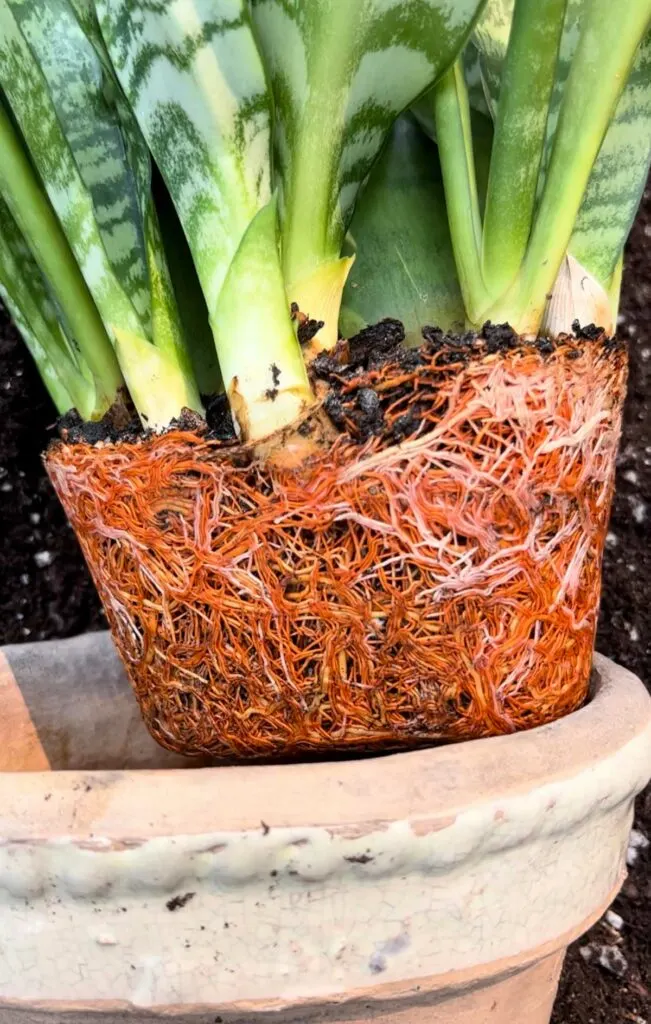
Roots circling tightly or pushing against the pot
Soil breaking down into dust and staying wet too long
The pot being pushed out of shape by thick roots and rhizomes
When repotting:
- Water very lightly a few days beforehand so soil is barely moist.
- Slide the plant out of its pot and gently loosen the root ball.
- Trim away any black or mushy roots with clean scissors.
- Replant into fresh gritty mix in a slightly larger pot.
- Wait about a week before watering to let any root damage heal.
Propagating Snake Plants
Snake plants are easy to propagate from:
Division: split large clumps into two or more plants when repotting.
Leaf cuttings: cut a healthy leaf into sections and root them in gritty compost (note that variegated types may lose their variegation this way).
For step-by-step guidance on division and cuttings, many growers follow Royal Horticultural Society advice on snake plant care and propagation for timing and basic technique.
Common Snake Plant Problems and Fixes
Leaves Turning Yellow or Mushy at the Base
Almost always linked to overwatering or heavy soil.
Fix:
Remove the plant from its pot and inspect the roots.
Cut away any soft, brown or black roots.
Repot into fresh gritty mix and a pot with good drainage.
Water sparingly until you see new, healthy growth.
Leaves Curling or Wrinkling
Often a sign of underwatering or very low humidity in hot rooms.
Fix:
Check the soil – if it’s bone dry and the pot is very light, water thoroughly.
Move the plant away from direct blasts of heating or very hot windowsills.
Brown Tips
Common causes: inconsistent watering, very dry air, or fertiliser build-up.
Fix:
Improve your watering rhythm (deep but infrequent).
Avoid placing the plant directly above radiators or heaters.
Every so often, water thoroughly and let excess drain to flush out salts.
Plant Leaning or Falling Over
Tall leaves can become top-heavy, especially if light is low.
Fix:
Give the plant more light so new leaves grow sturdier.
Repot into a heavier pot (terracotta works well).
Gently stake very tall leaves while the root system recovers.
FAQs About Snake Plant Care Indoors
Are snake plants really indestructible?
Not quite. They’re forgiving, but they will rot if overwatered and can sulk in very dark corners. Treat them as drought-tolerant succulents that still need bright light and you’ll have much better results.
How often should I water a snake plant?
In most UK homes, every 2–3 weeks in summer and every 4 weeks or more in winter is enough, but always check the soil. Let most of the pot dry out before watering again and never leave the pot sitting in water.
Can snake plants live in low light?
They can survive in low light, which is why they’re popular in offices and hallways, but they’ll grow much more slowly and may lean or stretch. Brighter light gives you sturdier, more upright leaves.
Are snake plants safe for pets?
Snake plants are considered toxic to cats and dogs if eaten, and can cause tummy upset or drooling. It’s best to keep them out of reach if your pets like to chew foliage.
Do snake plants clean the air?
Snake plants are often mentioned in older air-cleaning studies, but in a normal room they won’t replace good ventilation. Think of them as attractive, tough houseplants rather than a primary source of air purification.
Final Thoughts on Snake Plant Care
Snake plants are popular for a reason: they handle neglect better than most houseplants, they look stylish in almost any room, and they don’t demand constant attention. But they’re still living plants, and a bit of knowledge about light, soil and water goes a long way.
Treat your snake plant like a slow-growing succulent that prefers to dry out, give it bright light when you can, and keep feeding and repotting modest. Do that, and you’ll have a tough, architectural plant that quietly gets better year after year.
Related Articles
UPGRADE YOUR INDOOR GARDEN SETUP
Essential Indoor Gardening Tools & Tips
Learn which tools actually make a difference to your indoor plants – from moisture meters and pruning snips to pots and watering cans. Keep your setup simple, efficient, and easy to maintain so your plants stay healthy all year.