
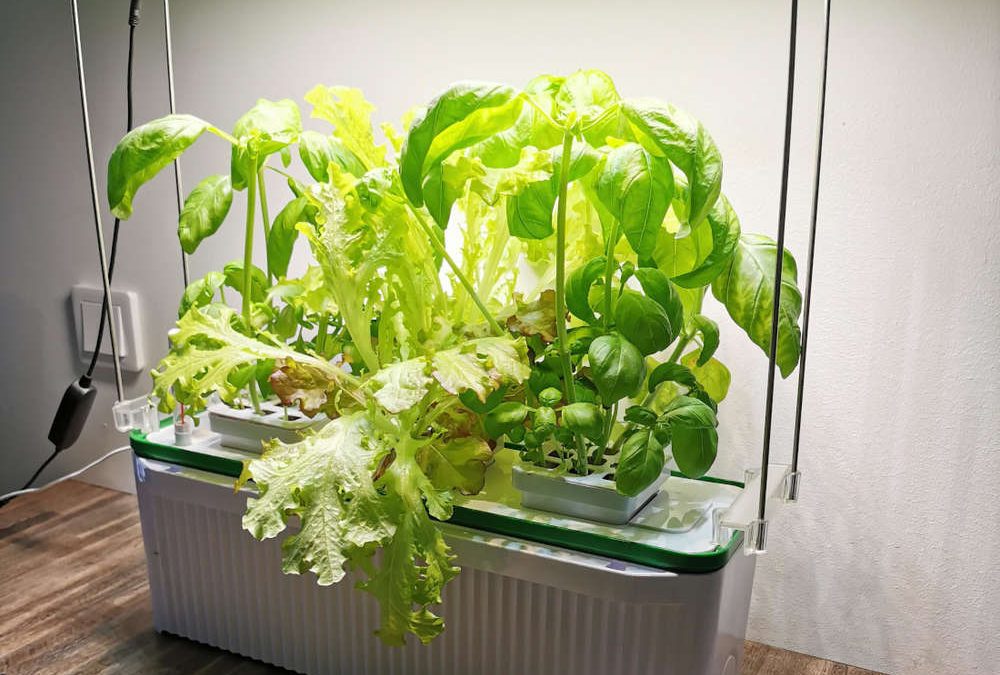
A smart indoor garden is basically an indoor growing setup that automates one or more of the annoying parts (light timing, watering reminders, nutrient schedules, or monitoring). Done right, it’s one of the easiest ways to grow herbs and salad greens in a flat or low-light home.
If you want the automation side explained in plain English, you can also read Smart Garden Automation.
Quick answer: smart indoor garden basics
Choose countertop hydroponics for “set-and-check” herbs/greens
Choose pots + sensors if you already own plants and want smarter watering
Light matters more than anything: aim for bright window + grow light backup
Start with easy wins: basil, mint, lettuce, microgreens
Expect 10 minutes setup, then 2–5 minutes maintenance weekly
Do this first: Decide whether you want a kit that grows plants for you (hydroponics) or a system that helps you care for plants you already have (sensors + routines).
Contents
- 0.1 What a Smart Indoor Garden Actually Is
- 0.2 The Two Main Types of Smart Indoor Garden
- 0.3 Smart Indoor Garden: How to Choose the Right Setup
- 0.4 Top Picks Made Simple
- 0.5 Setup in 15 Minutes
- 0.6 Long-Tail Fix 1: Can a Smart Indoor Garden Work With No Sunlight?
- 0.7 Long-Tail Fix 2: Why My Smart Indoor Garden Gets Algae
- 0.8 Long-Tail Fix 3: What If Herbs Taste Weak or Grow Slowly?
- 0.9 Long-Tail Fix 4: Smart Sensors Say “Dry” but Soil Feels Wet
- 0.10 Common Mistakes That Kill Smart Indoor Garden Results
- 0.11 FAQs About Smart Indoor Garden Setups
- 0.12 Final Thoughts on Smart Indoor Garden Setups
- 0.13 Related Articles
- 1 Turn Any Room Into a Reliable Grow Space
What a Smart Indoor Garden Actually Is
A smart indoor garden uses automation or monitoring to make indoor growing easier and more consistent. That might mean:
an LED light that runs on a timer
a water reservoir that self-waters
an app that tracks moisture, light, and temperature
reminders for feeding and topping up
The goal is simple: fewer guesswork moments, fewer “why is this dying?” problems, and a steadier routine—especially in UK winter light.
The Two Main Types of Smart Indoor Garden
1) Countertop hydroponic gardens
These grow plants without soil, using water + nutrients, usually with an LED light built in. They’re popular because you can grow herbs and salad greens even in low light.
Best for: people who want the easiest route to fresh herbs indoors.
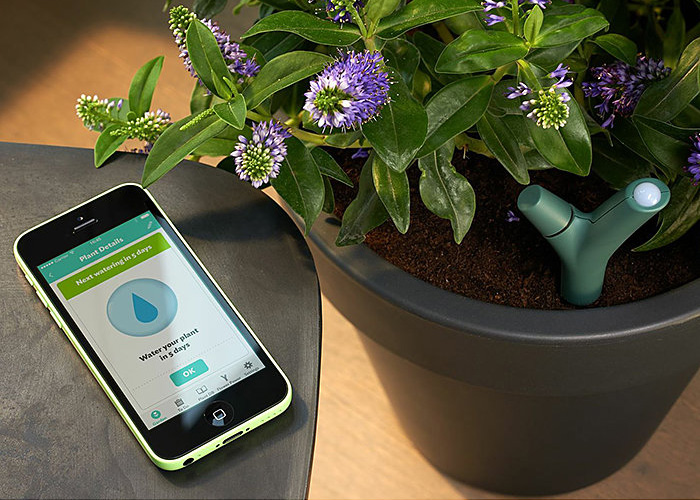
2) Pots + smart sensors (soil growing)
This is normal pot growing, but with monitoring (moisture/light/temp) and reminders so you stop overwatering or forgetting plants for two weeks.
Best for: people who already have houseplants and want fewer care mistakes.
If you’re curious about growing without soil more broadly, you can also read Grow Plants Without Soil.
Smart Indoor Garden: How to Choose the Right Setup
If you’re stuck deciding, use these quick “real life” questions.
Do you want food plants (herbs/greens) or houseplants?
Food plants: countertop hydroponics usually wins for speed and consistency
Houseplants: sensors + good drainage is usually enough
How much light do you actually have?
Most indoor “fails” are light problems disguised as watering problems. If you don’t get strong daylight, choose a setup that includes a grow light or plan to add one.
How much maintenance can you realistically do?
Hydroponic kits: topping up water + occasional cleaning
Sensor setups: you still water, but you do it at the right time
Top Picks Made Simple
This isn’t a full “best of” roundup (that’s what your other post can be), but these two routes cover almost everyone.
If you only buy one…
A countertop smart hydroponic garden kit is the easiest all-rounder for herbs and salad greens because it handles light timing and watering in one place.
Best for: beginners who want reliable results with minimal effort.
If you want the easy mode setup…
Pair a bright windowsill with a smart plant sensor with app monitoring so you get clear prompts for when to water and when light levels are too low.
Best for: people with houseplants who keep overwatering or forgetting watering.
Setup in 15 Minutes
Countertop hydroponic kit setup
This is the simplest route for most people.
- Fill the reservoir (room temperature water)
- Add nutrients if the kit requires it (follow the instructions)
- Place pods/seeds and switch the light on
- Put it somewhere stable (kitchen counter is ideal)
- Check water level every few days at first
Quick tip: keep it away from a radiator—warm, stagnant water can cause faster algae growth.
Smart sensor + pots setup
This works brilliantly for houseplants and soil-grown herbs.
- Repot into a free-draining mix if your soil stays wet for days
- Add the sensor and pair it to the app
- Use the sensor readings as a guide—not a strict command
- Adjust light placement (most plants want brighter light than you think)
- Build a weekly “check routine”
If you want a simple weekly routine that prevents most issues, read Indoor Plant Maintenance Routine.
Long-Tail Fix 1: Can a Smart Indoor Garden Work With No Sunlight?
Yes—if your setup includes a proper grow light (common in hydroponic kits). Without enough light, plants grow leggy, pale, and slow, even if watering is perfect.
Fast steps:
prioritise a kit with an LED hood if your room is dim
grow leafy crops (herbs, lettuce, microgreens) first
avoid fruiting crops (tomatoes/peppers) unless you have strong light
If you want a simple “easy win” crop, you can also read Grow Microgreens Indoors.
Long-Tail Fix 2: Why My Smart Indoor Garden Gets Algae
Algae usually shows up when light hits nutrient water. It’s common and fixable.
Fast fixes:
block light from the reservoir (cover gaps)
don’t overfill past the recommended level
clean the tank between cycles
keep the unit out of direct sun (ironic, but true)
Long-Tail Fix 3: What If Herbs Taste Weak or Grow Slowly?
That’s usually one of these:
not enough light hours
nutrients too weak (hydroponics)
crowded plants competing for space
temperature too cool (common near windows in winter)
Fast steps:
thin crowded seedlings early
ensure consistent light hours
keep herbs warmer than a draughty sill
Long-Tail Fix 4: Smart Sensors Say “Dry” but Soil Feels Wet
This happens when sensors aren’t seated properly or when soil type confuses the reading.
Fast steps:
reinsert the sensor into the root zone
wipe the probe clean
use the reading as a trend, then confirm with a finger test
if soil stays wet for days, fix drainage rather than relying on tech
If you struggle with soggy pots, read Improve Indoor Plant Drainage.
Common Mistakes That Kill Smart Indoor Garden Results
Even “smart” setups fail for the same basic reasons.
Too little light (the #1 issue)
Overfilling reservoirs (water sitting too high)
Ignoring cleaning cycles (hydroponics needs occasional resets)
Overwatering soil plants because you “feel bad”
Starting with difficult crops (go easy first)
A good stepping-stone is keeping it simple and repeatable, not complicated.
Some gardeners prefer starting with a hydroponics overview first — RHS advice on hydroponics explains the basics of soil-free growing and why nutrient water replaces compost.
FAQs About Smart Indoor Garden Setups
Is a smart indoor garden worth it?
If you want herbs/greens year-round or you keep killing plants through inconsistent care, it can be one of the best “time-saving” upgrades.
What’s the easiest plant to grow in a smart indoor garden?
Basil, mint, chives, lettuce, and microgreens are reliable starters.
Do smart indoor gardens use a lot of electricity?
Most use LED lights, which are efficient, but running hours add up. The bigger factor is how long the light runs daily.
Can I grow tomatoes indoors with a smart garden?
Some kits can, but it’s harder. Tomatoes need stronger light and more space than leafy greens.
Do I still need fertiliser?
Hydroponics uses nutrients in water. For soil-grown plants, you may still feed, but only when growth is active and the plant is healthy.
Final Thoughts on Smart Indoor Garden Setups
A smart indoor garden isn’t magic—it just removes the most common failure points: inconsistent light, inconsistent watering, and lack of monitoring. If you want the easiest results, choose a countertop hydroponic kit and grow leafy plants first. If you already have plants, a sensor setup can stop the overwatering cycle and make care feel much more predictable.
Start simple, build consistency, then expand once your first crops thrive.
Related Articles
MAKE INDOOR GROWING FEEL EFFORTLESS
Turn Any Room Into a Reliable Grow Space
A smart indoor garden works best when the basics are solid: steady light, predictable watering, and quick weekly checks. Once you get that right, herbs and greens become a simple routine instead of a constant experiment.