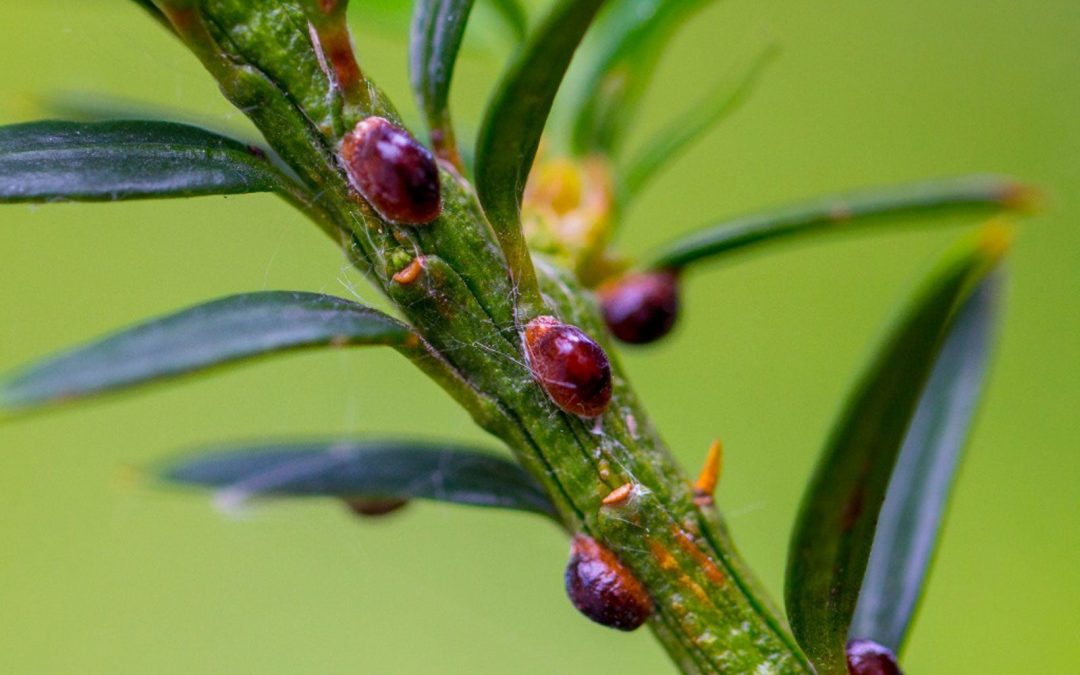
Scale on indoor plants is one of those pests that looks harmless at first — like small brown bumps on stems — but it can slowly drain a plant, cause sticky leaves, and trigger sooty mould. The good news is you can clear it with a simple routine that focuses on physical removal + repeat treatment.
Contents
- 0.1 What scale looks like on indoor plants
- 0.2 Why scale is tricky indoors
- 0.3 Step-by-step: how to get rid of scale on indoor plants
- 0.4 Cleaning sticky residue and preventing sooty mould
- 0.5 Long-tail quick fixes people search for
- 0.6 FAQs About Scale on Indoor Plants
- 0.7 Final Thoughts on Scale on Indoor Plants
- 0.8 Related Articles
- 1 Build a Simple Routine That Stops Pests Returning
Quick answer: scale on indoor plants
Isolate the plant and check nearby plants (scale spreads quietly).
Scrape/wipe off the visible bumps first (this is the fastest win).
Treat remaining scale with insecticidal soap or horticultural oil, then repeat weekly for 3–4 rounds.
Clean sticky honeydew from leaves so the plant can photosynthesise properly.
Keep checking stems and leaf joints for 2–3 weeks after it “looks gone”.
Do this first: Run your fingernail along the stem — if the “bumps” lift off, you’re almost certainly dealing with scale.
If sticky leaves are making the plant look dusty and dull, How to Clean Houseplant Leaves helps you clean safely without stressing foliage.
What scale looks like on indoor plants
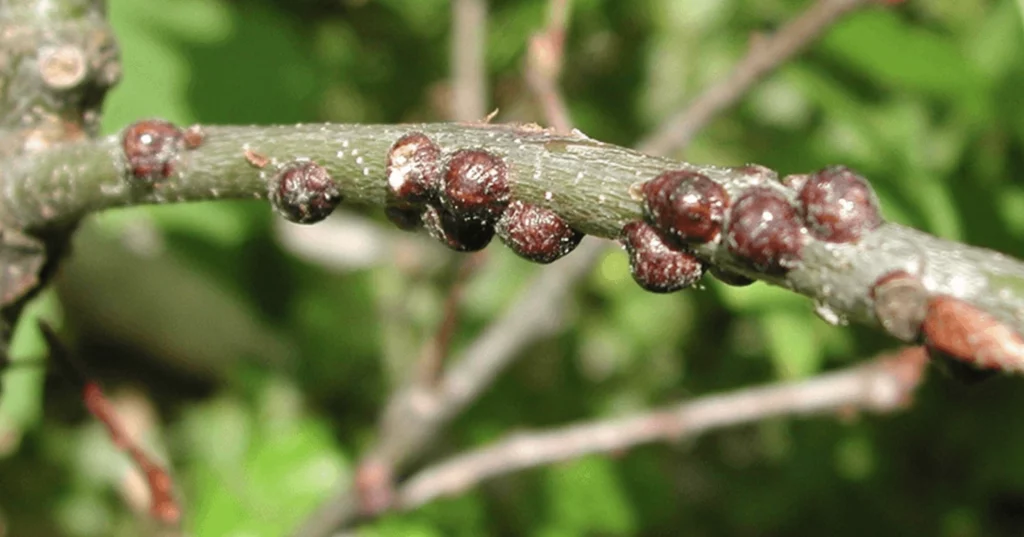
Scale insects often look like tiny, flat shells stuck to stems, leaf joints, and the underside of leaves. People often mistake them for natural bark texture or old leaf scars.
Common signs:
brown/tan bumps that don’t brush off easily
sticky residue (honeydew) on leaves or nearby surfaces
ants (less common indoors, but possible)
leaves turning yellow, dropping, or looking generally weak
black, sooty-looking patches (sooty mould growing on honeydew)
Quick ID tip: scale doesn’t move much once settled. If the bumps are firmly attached and “shell-like”, that’s a clue.
Why scale is tricky indoors
Scale is hard to shift quickly because:
adults sit under a protective coating
they hide in tight joints, along stems, and under leaf bases
the “crawler” stage is tiny and easy to miss
one missed pocket can restart the problem
That’s why the best approach is remove first, treat second, repeat third.
Step-by-step: how to get rid of scale on indoor plants
1) Quarantine and inspect nearby plants
Move the plant away from others and check anything that’s been touching leaves. Scale spreads slowly, but it spreads.
Look closely at:
stems and nodes
leaf bases
undersides near veins
areas where leaves overlap
2) Remove the visible scale first
This is the part that actually changes the situation quickly.
Options that work:
scrape gently with a fingernail
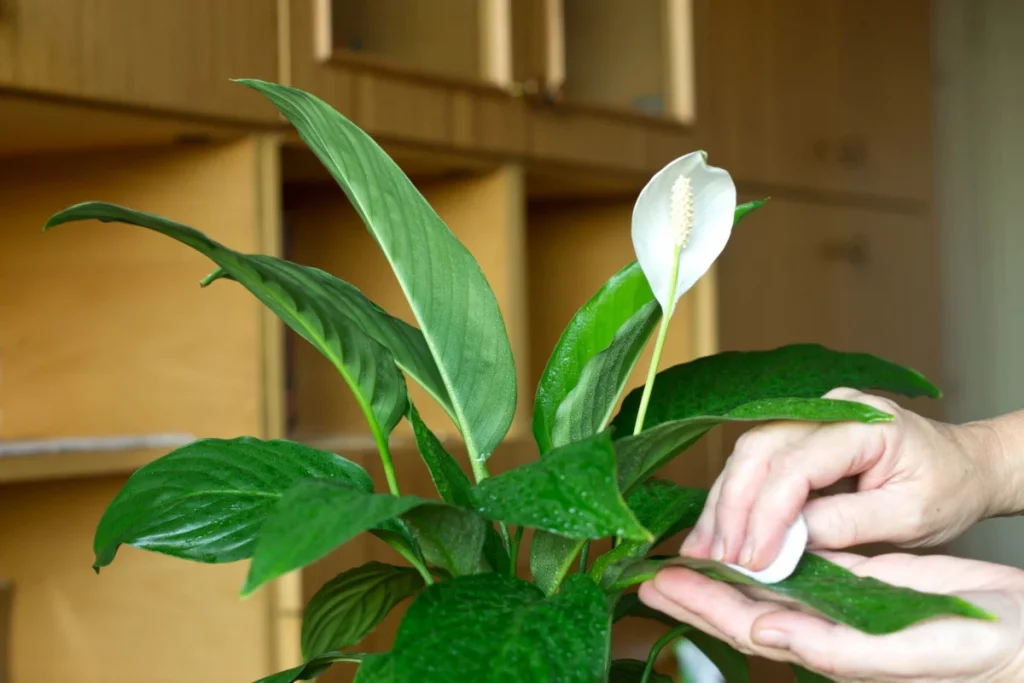
wipe stems with a damp cloth
use a cotton bud for tight joints
If honeydew is heavy, wipe leaves afterwards so the plant can breathe and use light properly.
3) Treat what you can’t physically remove
After removal, treat the plant to catch what you missed (including crawlers).
A simple option is a plant-safe insecticidal soap concentrate for houseplants, used exactly as directed and tested on a small section first.
How to apply well:
coat stems, leaf joints, and undersides
don’t spray in harsh sun
keep airflow gentle so leaves dry
4) Repeat on schedule (this is what stops the comeback)
Scale control usually takes repetition because crawlers emerge over time.
A simple schedule:
treat day 1
repeat every 7 days
continue for 3–4 rounds
Check stems every few days and remove any new bumps you spot.
Cleaning sticky residue and preventing sooty mould
Honeydew (the sticky stuff) is a stress multiplier. It attracts mould and blocks light.
To clean it:
wipe leaves with lukewarm water and a soft cloth
focus on the top surfaces where honeydew collects
avoid harsh “leaf shine” products
If you’re dealing with mould on top of sticky residue, Prevent Mold in Indoor Soil is a helpful supporting read because the same airflow and moisture habits reduce indoor mould issues overall.
Long-tail quick fixes people search for
Why does scale keep coming back?
Usually one of these:
you didn’t remove the visible bumps first
treatments weren’t repeated long enough
you missed leaf bases and stem joints
nearby plants weren’t checked
A quick reset that works:
- remove visible scale
- treat thoroughly
- repeat weekly for a month
Can scale live in the soil?
Scale mostly lives on the plant (stems/leaves). The issue is usually missed pockets, not the compost.
Is scale the same as mealybugs?
They’re different pests, but both hide in tight spots and need repeat treatments. If you’re seeing white fluff or cottony clumps, Natural Mealybug Removal is the better match.
What if the plant is heavily infested?
If stems are covered and the plant is declining fast, it may be better to discard that plant to protect the rest — especially if it’s replaceable.
For a cautious approach, University of California IPM guidance on scale insects highlights that the waxy covering can make them harder to control, which is why physical removal and repeat treatment tends to work better than a single spray.
FAQs About Scale on Indoor Plants
What causes scale on indoor plants?
Scale usually arrives on a new plant, or it was already present in small numbers and built up slowly in warm indoor conditions.
Will scale spread to other houseplants?
Yes — especially if plants touch or you move them close together. Quarantine is worth doing straight away.
How long does it take to get rid of scale?
Often 3–6 weeks, depending on how heavy it is and how consistent you are with repeat treatments.
Do I need to repot the plant?
Usually no. Focus on stems and leaves first. Repotting is only useful if the potting mix is already a mess or you suspect root stress from other issues.
Final Thoughts on Scale on Indoor Plants
Scale looks stubborn because it’s protected, but it’s very beatable with the right order: remove first, treat second, repeat third. Once you’ve cleared the visible bumps and stayed consistent for a few weeks, most plants bounce back well. Keep checking stems during your normal plant care routine and you’ll usually catch any new patches early.
Related Articles
Make pest control feel more straightforward
Build a Simple Routine That Stops Pests Returning
Scale is easier to beat when you stick to a repeatable system: isolate, remove what you can, treat thoroughly, then repeat until you’ve broken the cycle. If you want one practical reference that helps you identify common houseplant pests and choose sensible next steps, this page brings it all together.