
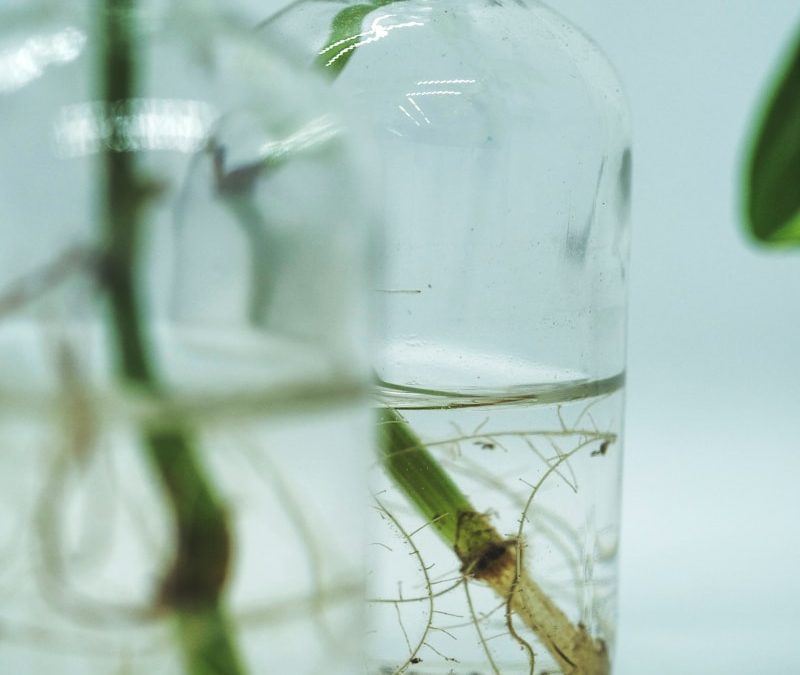
If you want an easy way to make more plants without buying anything fancy, learning how to propagate houseplants in water is one of the best beginner wins. You can see roots forming with your own eyes, it’s low-mess, and it works brilliantly for loads of common indoor plants.
If you’d like a broader overview of other methods (soil, division, offsets), you can also read Propagate Houseplants Indoors.
Contents
- 0.1 Why Water Propagation Works So Well for Beginners
- 0.2 Best Houseplants to Propagate in Water
- 0.3 Propagate Houseplants in Water Step by Step
- 0.4 How Long Does Water Propagation Take?
- 0.5 When to Pot Up Water-Rooted Cuttings
- 0.6 Troubleshooting Water Propagation Problems
- 0.7 A Simple “Clean + Consistent” Routine (So It Works Every Time)
- 0.8 FAQs About Propagating Houseplants in Water
- 0.9 Final Thoughts on Propagating Houseplants in Water
- 0.10 Related Articles
- 1 Stop Fungus Gnats Spreading Indoors
Why Water Propagation Works So Well for Beginners
Water propagation is simple because it removes a lot of guesswork. In soil, you can’t easily tell if a cutting is rotting, drying out, or rooting. In water, you can check everything in seconds.
It’s especially helpful if you:
struggle with overwatering in soil
want to see if a cutting is healthy before potting it up
don’t want compost on your shelves or windowsills
The key is knowing which plants root well in water, and how to avoid the two big issues: rot and slow rooting.
Best Houseplants to Propagate in Water
These are the easiest, most reliable starters:
Pothos (devil’s ivy)
Heartleaf philodendron
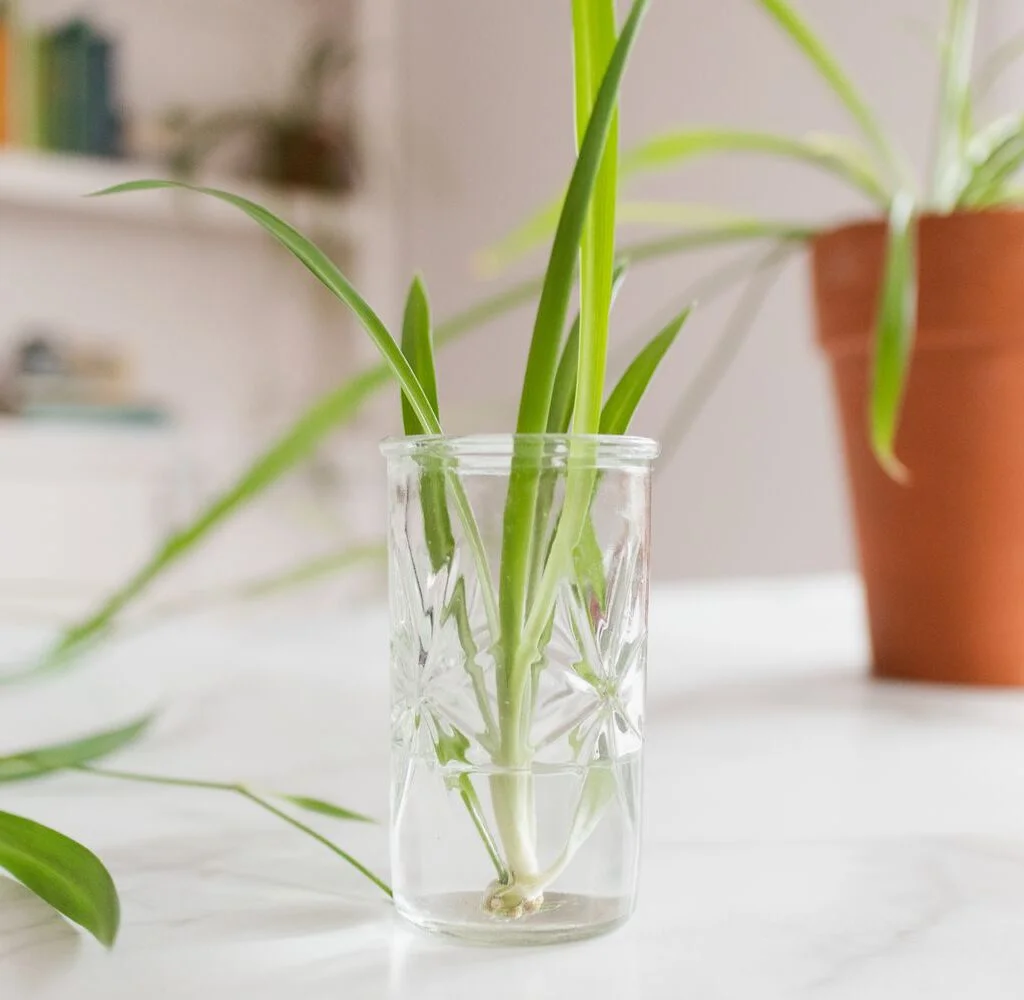
Spider plant pups (can start in water briefly)
Tradescantia (wandering dude)
Monstera (stem cuttings with a node)
Syngonium (arrowhead plant)
Lucky bamboo (often kept in water long-term)
Plants that can be trickier in water (but still possible):
Rubber plant (can be slow)
Fiddle leaf fig (often inconsistent)
Some woody stems (slow, higher rot risk)
If you want it to look tidy indoors, a glass propagation station for cuttings keeps jars stable and stops stems flopping into the water.
Propagate Houseplants in Water Step by Step
1) Take the right cutting (this matters most)
Pick a healthy stem with 2–4 leaves. Avoid weak, pale growth.
For most trailing plants, your cutting should include at least one node (the small bump on the stem where roots form). If there’s no node, it won’t root.
2) Make a clean cut
Cut just below a node using clean scissors or snips.
A sharp pair of small plant pruning snips makes cleaner cuts and reduces stem damage (which can slow rooting).
3) Remove lower leaves
Any leaves sitting in water will rot. Strip leaves from the bottom section so only stem/nodes sit below the water line.
4) Place in water the right way
Use room-temperature water
Submerge the node(s), not the leaves
Use a jar that supports the cutting upright
5) Put it in bright, indirect light
Bright shade is ideal (near a window, but not harsh direct sun). Too dark = slow rooting. Too much sun = algae + stressed cuttings.
6) Refresh the water regularly
This is where people mess up.
Change the water every 3–7 days
Rinse the jar if it looks cloudy or slippery
Top up as it evaporates
Clean water helps keep oxygen levels higher and reduces rot.
How Long Does Water Propagation Take?
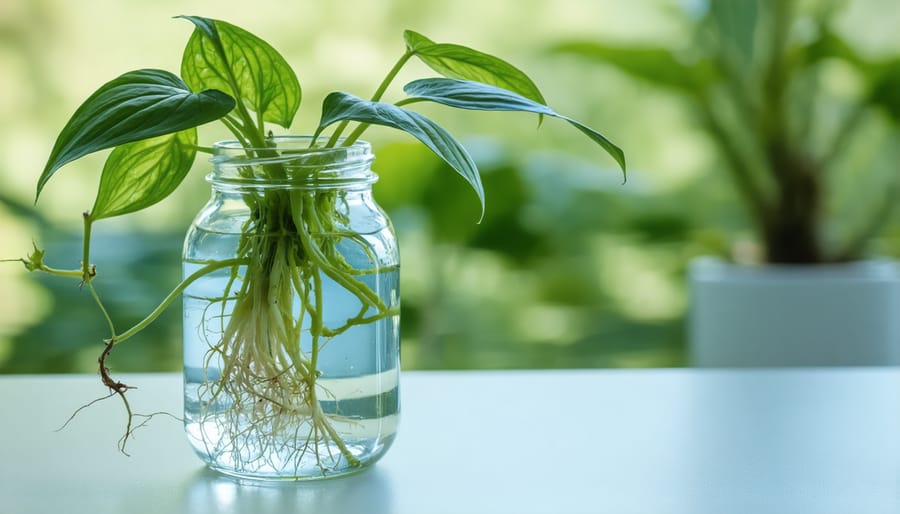
Most easy plants (pothos, tradescantia, philodendron) show roots in 1–3 weeks in good light. Slower plants can take 4–8 weeks.
Temperature matters too. A warmer room usually roots faster, but avoid hot windowsills above radiators.
A good rule: if nothing happens after a few weeks, it’s usually one of these:
not enough light
water not being changed
the cutting had no node
the cutting is struggling (weak stem / old woody growth)
When to Pot Up Water-Rooted Cuttings
The biggest mistake is potting too early.
Pot up when:
roots are 5–10 cm long (or longer)
you can see several roots, not just one thin strand
the cutting looks stable and is putting out new growth
Potting tip (to avoid shock)
Water roots can be more delicate than soil roots. When you pot up:
use a light, airy mix
keep the soil lightly moist for the first 1–2 weeks
avoid strong sun while it settles
If you’ve had issues with soggy compost before, you might also like Improve Indoor Plant Drainage.
Troubleshooting Water Propagation Problems
Stems going mushy or black (rot)
This usually means:
leaves were sitting in water
the jar wasn’t cleaned
water wasn’t changed often enough
the cutting was too deep in water
Fix: cut the stem back to healthy tissue, remove extra leaves, and restart in a clean jar with fresh water.
Water looks cloudy or smells
That’s bacteria building up.
Fix: rinse the jar, change the water, and keep only the node submerged.
Algae in the jar
Algae isn’t always fatal, but it can make things messy.
Fix: move out of direct sun and use an opaque jar (or wrap the jar in paper).
Roots form but growth stalls
Often a light issue, or the cutting needs potting up.
Fix: move to brighter indirect light and pot up once roots are long enough.
Fungus gnats showing up nearby
Gnats don’t come from the water itself, but wet potting mix nearby can attract them.
If that’s a recurring issue in your home, see Fungus Gnats.
A Simple “Clean + Consistent” Routine (So It Works Every Time)
If you only remember a few habits, make it these:
Clean jar, clean water (refresh every 3–7 days)
Node in water, leaves out of water
Bright indirect light
Wait for multiple roots before potting up
One useful reference point: University of Minnesota Extension guidance on plant propagation highlights the importance of using healthy cuttings and clean methods to reduce disease and improve rooting success.
FAQs About Propagating Houseplants in Water
Can I propagate any houseplant in water?
No. Many do well (pothos, philodendron, tradescantia), but some woody plants are slow or unreliable. Always make sure your cutting includes a node.
Should I use tap water or filtered water?
Tap water is usually fine. If yours is very heavily chlorinated, let it sit overnight before using, or refresh it more often.
How often should I change the water?
Every 3–7 days is a good range. If it turns cloudy or smells, change it sooner.
Why are my cuttings not rooting?
Most often it’s low light, no node, or old/woody growth. Move to brighter indirect light and try a fresh cutting.
Do I need to add fertiliser to the water?
Not at the start. Plain water is best while roots form. Feed later once potted into soil.
Final Thoughts on Propagating Houseplants in Water
Once you’ve done it a couple of times, water propagation becomes a simple habit: snip, jar, bright spot, refresh the water, then pot up when roots are strong. Start with an easy plant like pothos or tradescantia, and you’ll build confidence fast.
If a cutting fails, don’t take it as a sign you’re bad at it — it’s usually just the wrong stem, low light, or water that wasn’t refreshed often enough. Small tweaks make a big difference here.
Related Articles
KEEP YOUR POTS CLEANER
Stop Fungus Gnats Spreading Indoors
When gnats appear, it helps to tighten up your basic plant hygiene — clearing old debris, refreshing the surface layer, and keeping pots clean so pests have fewer places to breed and hide.