
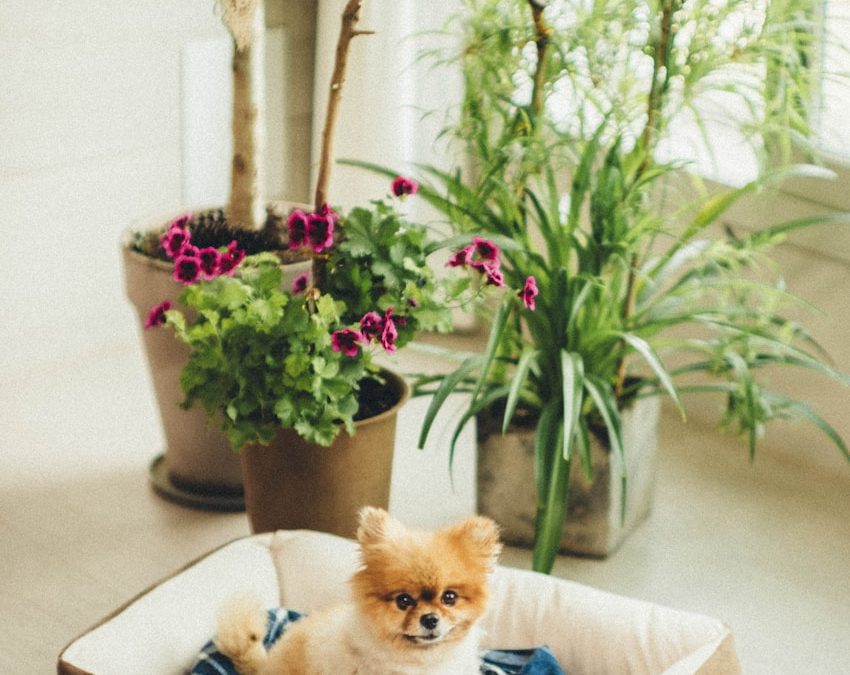
If you love filling your home with plants but also have curious cats or dogs, choosing the right greenery becomes a bit more complicated. Many popular houseplants are toxic, but there are plenty of beautiful, pet-safe options that let you enjoy both plants and pets without stress.
In this article you’ll discover the best pet-safe houseplants, how to care for them, and simple decorating and safety tips so everyone can share the space happily. For general watering, feeding and positioning tips, you can also read Indoor Garden Care.
Contents
- 0.1 Why Choose Pet-Safe Houseplants?
- 0.2 Best Pet-Safe Houseplants
- 0.3 Tips for Growing Pet-Safe Houseplants
- 0.4 How to Decorate with Pet-Safe Houseplants
- 0.5 Common Issues with Pets and Plants
- 0.6 FAQs About Pet-Safe Houseplants
- 0.7 Make Your Home Safer for Pets and Plants
- 0.8 Final Thoughts on Pet-Safe Houseplants
- 0.9 Related Articles
- 1 Essential Indoor Gardening Tools & Tips
Why Choose Pet-Safe Houseplants?
Before getting into specific plants, it helps to understand why going “pet-safe” really matters:
Peace of mind: You don’t have to panic every time your cat nibbles a leaf or your dog sniffs a planter.
Fewer emergency vet visits: Toxic plants can cause vomiting, diarrhoea, and in serious cases, organ damage. Pet-safe plants greatly reduce that risk.
Plenty of choice: Pet-safe houseplants look just as good as many toxic favourites, so you’re not missing out aesthetically.
Healthier indoor environment: Many of these plants help improve air quality and humidity, making your space more comfortable.
According to the ASPCA list of pet-safe plants, there are dozens of indoor species that are considered non-toxic to cats and dogs, so you have more options than you might think.
Best Pet-Safe Houseplants
The plants below are widely grown indoors, beginner-friendly, and considered non-toxic to cats and dogs when grown as houseplants. Pets can still get an upset stomach if they eat a lot of foliage, but these choices are much safer than many common alternatives.
Spider Plant (Chlorophytum comosum)
Spider plants are one of the easiest pet-safe houseplants to grow:
Tolerant of a wide range of light conditions, from bright indirect light to light shade.
Produce arching leaves and baby “spiderettes” that look great in hanging baskets.
Non-toxic to cats and dogs, though some cats like to play with the long leaves.
Let the top of the soil dry out between waterings and feed lightly in spring and summer.
Boston Fern (Nephrolepis exaltata)
Boston ferns have soft, feathery fronds that add lush texture to any room.
Safe for pets, unlike some other “fern-like” plants that are actually toxic.
Prefer bright, indirect light and higher humidity – bathrooms and kitchens can work well.
Keep the soil slightly moist but not soggy, and mist occasionally if your home is very dry.
Areca Palm (Dypsis lutescens)
If you want a bigger statement plant that’s still pet-safe, an Areca palm is a great choice.
Tall, arching fronds give an instant tropical feel.
Non-toxic to cats and dogs and gentle enough for family spaces.
Do best in bright, indirect light and evenly moist but well-draining compost.
A group of Areca palms in matching pots can soften bare corners and make a room feel taller.
Calathea
Calatheas are known for their dramatic leaf patterns and movement.
Leaves often have stripes, ripples or rich purple undersides.
Non-toxic to pets, so you can enjoy them even if your cat likes to inspect foliage closely.
Prefer medium to bright indirect light and consistently moist, slightly warm conditions.
They can be a little fussy, but when happy they’re one of the most eye-catching pet-safe houseplants you can grow.
Parlor Palm (Chamaedorea elegans)
Parlor palms are compact and forgiving, ideal for flats and small rooms.
Tolerate lower light better than many palms.
Pet-safe and fairly slow-growing, so they stay manageable.
Water when the top few centimetres of compost feel dry; avoid waterlogging the roots.
Haworthia
If you like succulents but worry about toxic lookalikes (such as certain aloes), Haworthia is a safer option.
Small, upright rosettes with striped or spotted leaves.
Very low maintenance: bright light, infrequent watering, good drainage.
Perfect for desks, shelves and bedside tables.
Friendship Plant (Pilea involucrata)
Friendship plants have softly textured leaves and a naturally compact habit.
Non-toxic to pets and great for small spaces.
Prefer bright, indirect light and slightly moist compost.
Look charming in small ceramic pots grouped with other pet-safe plants.
A set of sturdy ceramic indoor plant pots with drainage makes it easier to keep pet-safe plants upright and prevent messy spills when pets brush past them.
Tips for Growing Pet-Safe Houseplants
Once you’ve chosen your plants, a few simple habits will keep both plants and pets happy.
Keep Plants Secure and Out of Direct Reach
Place trailing and delicate plants in hanging baskets or on high shelves.
Use heavier pots or stands for larger plants so they’re harder to knock over.
Consider plant shelves or wall-mounted planters to create a “pet-light” area.
Manage Chewing and Digging
Provide alternatives like cat grass or catnip so pets have something safe to chew and scratch.
Cover soil with decorative pebbles or bark to discourage digging.
If necessary, use pet-safe deterrent sprays on pot rims to make them less appealing.
Growing a small tray of cat grass is a simple way to redirect chewing away from your houseplants while still giving cats something fresh and green to nibble.
Avoid Overwatering
Overwatered plants can develop rot and mould, which aren’t ideal around pets (or humans).
Check the top few centimetres of soil before adding water.
Make sure every pot has a drainage hole and a saucer to catch excess.
Empty saucers so pets aren’t tempted to drink stale water.
A basic soil moisture meter for indoor plants can help you avoid guesswork and keep watering consistent, especially if you have a lot of pots.
How to Decorate with Pet-Safe Houseplants
Use Height and Layers
Combine tall palms or ferns with medium plants on stands and smaller pots on shelves. This creates a lush look while keeping more fragile plants away from paws and tails.
Create a Pet-Friendly Green Corner
Choose a corner of the room where you can cluster several pet-safe houseplants together. Use a mix of textures: ferns, palms, patterned calatheas and a few succulents like Haworthia. This becomes a focal point and makes it easier to supervise pets around plants.
Mix Practicality and Style
Use matching pots or a limited colour palette to tie the display together.
Add a washable rug or mat under a plant cluster in case of splashes or knocked leaves.
Keep one or two plants at pet level that you don’t mind being occasionally brushed against, and elevate the rest.
Common Issues with Pets and Plants
Even with pet-safe plants, a few practical issues can crop up:
Mild stomach upsets: Eating large amounts of any plant can upset a pet’s stomach. Monitor nibbling and redirect with toys or cat grass.
Soil scattered on the floor: Use heavier pots, top-dressing with stones, and gentle training to reduce digging.
Broken leaves and stems: Position more delicate plants out of the main play zone and prune away damaged leaves promptly.
Water spills: Don’t overfill saucers and avoid placing plants where pets run or skid frequently.
FAQs About Pet-Safe Houseplants
Are pet-safe houseplants completely risk-free?
No plant is 100% risk-free if a pet eats a large amount. Pet-safe houseplants are classed as non-toxic, meaning they’re unlikely to cause serious poisoning, but they can still cause mild digestive upset if chewed heavily.
Are all ferns and palms safe for pets?
Not all. Some plants sold as “ferns” or “palms” are actually different species. Stick to known safe options like Boston fern and Areca or parlor palm, and always check the exact plant name before buying.
Can I keep toxic plants if I have pets?
It’s possible, but you’ll need to be very careful: keep them in rooms pets can’t access, or in closed cabinets or tall, secure plant cases. For most homes, sticking mainly to pet-safe houseplants is simpler and less stressful.
How can I stop my cat using pots as a litter tray?
Cover the soil surface with decorative pebbles, bark, or a mesh layer, and provide an attractive litter tray in a quiet, easy-to-access spot. Reward your cat for using the tray and gently interrupt any litter-box behaviour in pots.
Are pet-safe houseplants harder to grow?
Not at all. Many pet-safe options, like spider plants, parlor palms and Haworthia, are among the easiest indoor plants to look after, especially once you’ve got watering and light levels right.
Make Your Home Safer for Pets and Plants
Creating a home full of greenery doesn’t have to mean taking risks with your pets. By choosing pet-safe houseplants, securing pots properly and giving pets their own safe things to chew or dig, you can enjoy a calm, green space everyone can share.
If you’re just starting to adjust your collection, begin with one or two safer plants you really like the look of, then gradually replace or relocate any toxic species. Over time, you’ll build a houseplant collection that looks great and supports your pets’ wellbeing too.
Final Thoughts on Pet-Safe Houseplants
Pet-safe houseplants let you enjoy the best of both worlds: a lush, indoor jungle and healthy, happy pets. From spider plants and Boston ferns to calatheas and Haworthia, there’s a pet-friendly plant for almost every corner of your home.
Focus on non-toxic species, stable pots, sensible placement and a bit of training, and most of the common problems with pets and plants disappear. With a little planning and the right mix of plants, your home can be both a safe haven and a beautiful green retreat.
Related Articles
UPGRADE YOUR INDOOR GARDEN SETUP
Essential Indoor Gardening Tools & Tips
Learn which tools actually make a difference to your indoor plants – from moisture meters and pruning snips to pots and watering cans. Keep your setup simple, efficient, and easy to maintain so your plants stay healthy all year.