
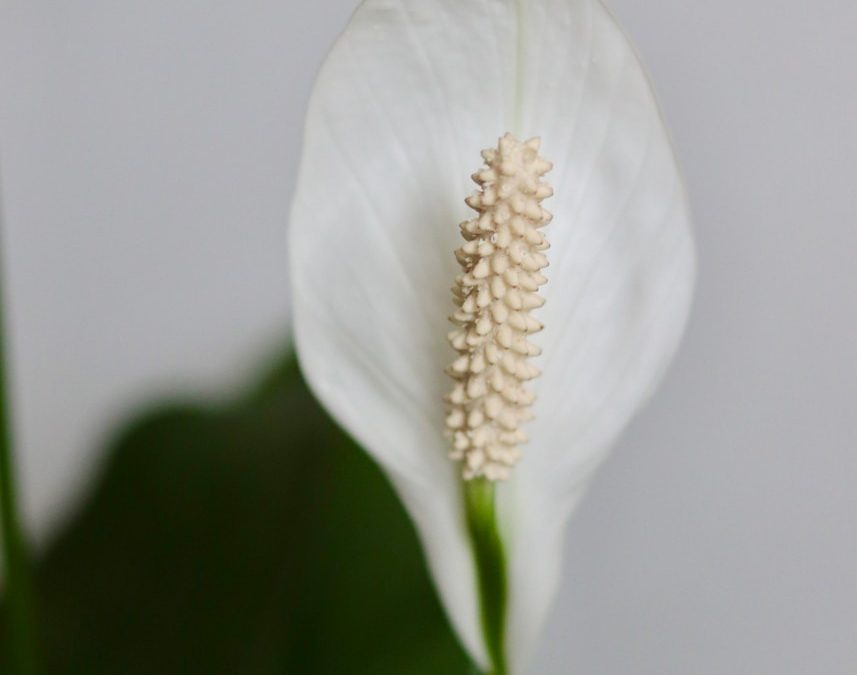
Peace lilies are one of the most popular indoor plants – lush green leaves, elegant white blooms, and a reputation for being “easy”. But without the right peace lily care, they quickly start drooping, yellowing or refusing to flower.
In this article, you’ll learn exactly how to care for a peace lily indoors – light, watering, soil, repotting and fixing common problems – so it stays glossy and blooming instead of limp and sulky. For general watering habits across your whole collection, you can also read Indoor Garden Care: Keep Your Plants Thriving Indoors.
Contents
- 0.1 Peace Lily Care Basics Indoors
- 0.2 Light Requirements for Peace Lilies
- 0.3 Best Soil and Pots for Peace Lilies
- 0.4 How to Water Peace Lilies Indoors
- 0.5 Feeding and Repotting Peace Lilies
- 0.6 Common Peace Lily Problems and Fixes
- 0.7 Are Peace Lilies Toxic to Pets and People?
- 0.8 FAQs About Peace Lily Care Indoors
- 0.9 Final Thoughts on Peace Lily Care
- 0.10 Related Articles
- 1 Simple Tools for Better Peace Lily Care
Peace Lily Care Basics Indoors
Peace lilies (Spathiphyllum) are tropical forest-floor plants. That means they’re used to:
Dappled shade rather than harsh, direct sun
Evenly moist, but not waterlogged soil
Warm, humid air
Consistent, gentle feeding
Good peace lily care indoors mostly comes down to getting light and watering right, then supporting that with decent compost, correct pot size and light regular feeding.
Light Requirements for Peace Lilies
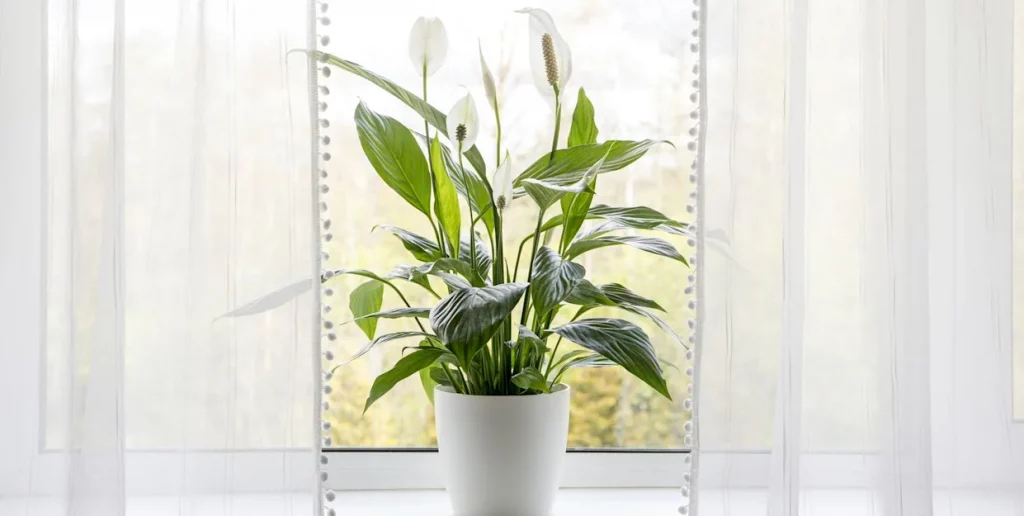
Peace lilies are often sold as “low light” plants, but they do best in bright, indirect light.
Ideal: A spot a couple of metres back from an east- or north-facing window, or to the side of a bright south-facing window.
Tolerable: Light shade further into the room (they’ll grow slower and flower less).
Not ideal: Deep corners with almost no natural light, or hot direct sun on leaves.
Signs of too little light:
Very few or no flowers
Thin, stretched leaves
Slow growth and a generally “tired” look
Signs of too much direct sun:
Brown, crispy patches on leaves
Bleached, faded foliage
If your home is quite dim, a small clip-on LED grow light for houseplants can help keep peace lilies greener and blooming more reliably.
Best Soil and Pots for Peace Lilies
Soil
Peace lilies like moisture, but they hate sitting in heavy, airless compost.
Use a peat-free indoor houseplant mix that drains reasonably well.
For better aeration, mix in some perlite or fine bark (around 20–30%).
Avoid garden soil or very dense compost – it compacts and stays wet too long.
Pots
Always choose a pot with drainage holes.
You can stand it inside a decorative cachepot as long as you empty any standing water from the outer pot.
Peace lilies prefer being slightly snug in their pot rather than swimming in compost.
Self-watering cachepots can work if you’re careful not to keep the reservoir full all the time – let it run down between refills so roots aren’t constantly sitting in water.
How to Water Peace Lilies Indoors
This is where most peace lilies send out their distress signals. They’re famous for dramatic drooping when thirsty – and sometimes for staying limp after being overwatered.
How Often to Water
There’s no fixed schedule, but as a guide in typical UK home conditions:
In spring and summer: usually once a week, sometimes more in warm rooms.
In autumn and winter: every 7–14 days, depending on light and temperature.
Always check the soil first:
The top few centimetres should feel just dry to the touch before you water.
The pot should feel lighter, but not like a bone-dry cactus mix.
A lightweight watering can with a narrow spout for indoor plants helps you water at the soil surface without splashing leaves and furniture.
How to Water Properly
Water slowly over the surface until you see a little water come out of the drainage holes.
Empty any saucer or outer pot after 10–15 minutes.
Avoid letting the plant sit in a puddle – this is where root rot starts.
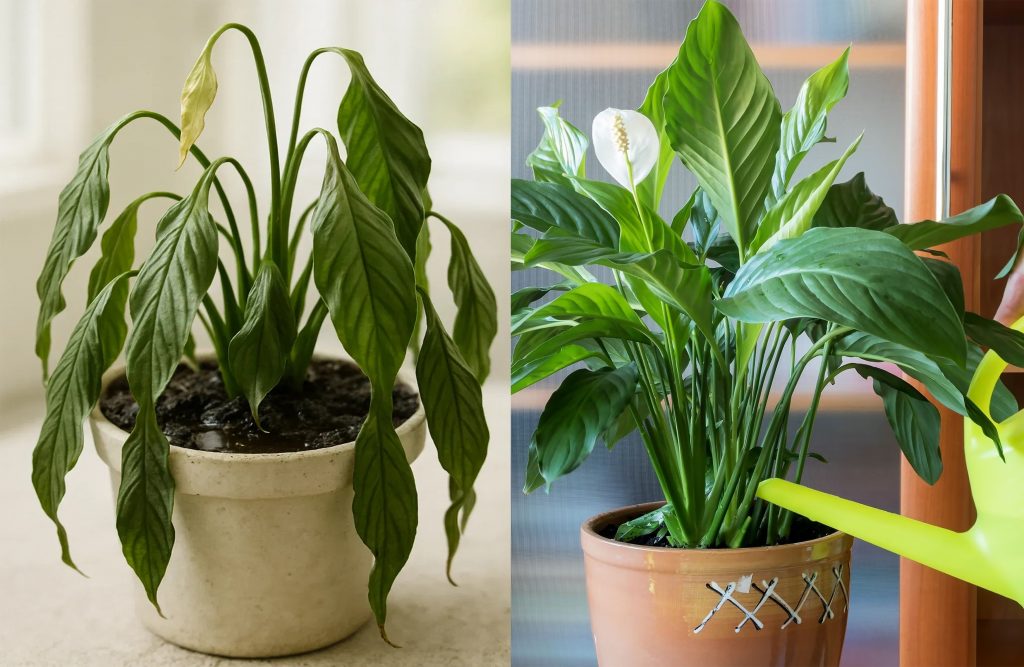
If your peace lily does a dramatic droop because you forgot to water, give it a thorough soak, let the excess drain, and it usually perks up within a few hours.
Signs of Overwatering vs Underwatering
Underwatered peace lily:
Whole plant droops, leaves feel limp but not mushy
Leaf tips and edges may turn brown and crispy
Soil pulls away from the sides of the pot
Overwatered peace lily:
Leaves yellow from the base
Some leaves turn limp and mushy
Soil stays wet for days and may smell sour
Feeding and Repotting Peace Lilies
Feeding
Peace lilies are fairly hungry compared to some houseplants, especially if you want regular blooms.
Use a balanced liquid houseplant fertiliser for flowering plants every 2–4 weeks from spring to early autumn.
Dilute more than the bottle suggests if you’re unsure – it’s better to underfeed slightly than overdo it.
Skip feeding in winter when growth naturally slows.
A balanced liquid houseplant fertiliser for flowering indoor plants can encourage more peace lily blooms without forcing soft, weak growth.
Repotting
Repot every 1–2 years, or when you notice:
Roots circling tightly around the pot
Water rushing straight through without soaking in
The plant drying out again very quickly after watering
When repotting:
- Water lightly a day before so the root ball holds together.
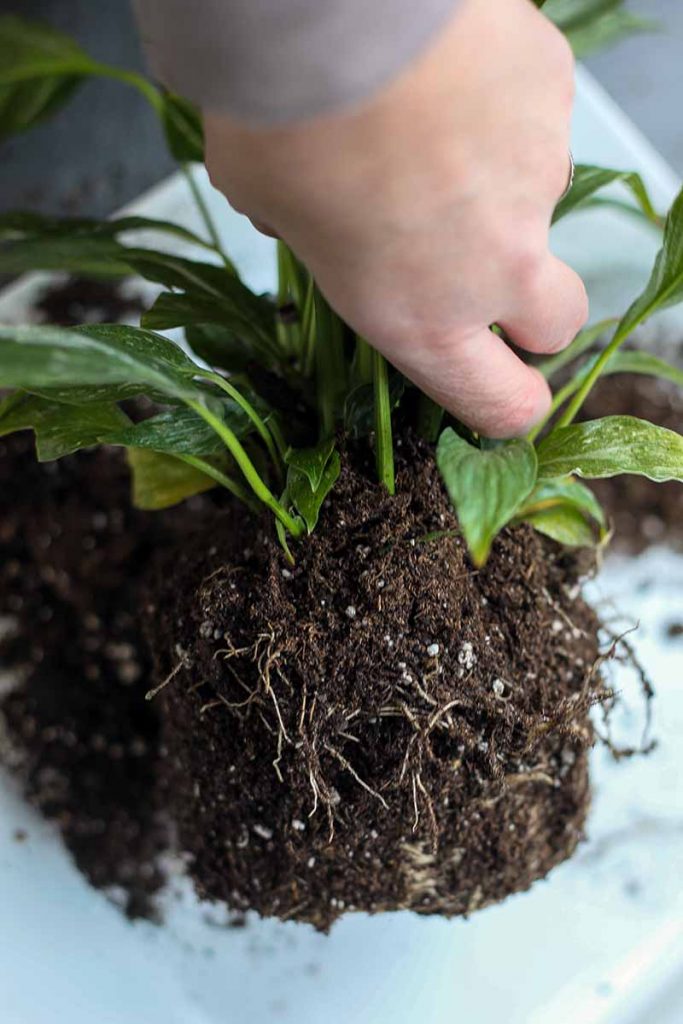
- Slide the plant out and gently loosen the roots.
- Trim away dead, mushy or very crowded roots.
- Move up just one pot size with fresh houseplant compost.
- Water thoroughly and keep out of harsh sun for a week or so.
Common Peace Lily Problems and Fixes
Brown Tips on Leaves
Very common and not always a disaster. Causes include:
Irregular watering (very dry to very wet)
Low humidity in heated rooms
Fertiliser build-up or sensitive reaction to tap water
Fix:
Aim for more consistent watering – not constant sogginess, but not long droughts either.
Move away from radiators or hot air vents.
Occasionally flush the pot by watering thoroughly and letting excess drain to wash out salts.
Yellow Leaves
A few old leaves yellowing at the base is normal. Widespread yellowing suggests:
Overwatering and poor drainage
Very low light
Heavy feeding or very old, tired compost
Fix:
Check the soil – if it’s heavy and wet, ease up on watering and consider repotting.
Improve light levels by moving closer to a window (without direct midday sun).
Reduce fertiliser and, if needed, refresh the compost.
No Flowers
Peace lilies bloom best when:
They get bright, indirect light
They’re slightly snug in their pot
They receive light, regular feeding
If yours refuses to flower:
Move it somewhere brighter (but not scorching).
Make sure you’re feeding regularly in the growing season.
Don’t overpot – very large pots can encourage leaf growth at the expense of blooms.
For more detailed background on peace lily care, many indoor gardeners refer to university extension guidance on Spathiphyllum as a houseplant, which emphasises bright, filtered light and evenly moist but well-drained soil as the key foundations.
Are Peace Lilies Toxic to Pets and People?
Peace lilies are often mentioned in toxicity lists, so it’s worth clarifying:
They contain calcium oxalate crystals, which can irritate the mouth and digestive system if eaten.
For pets, this can mean drooling, pawing at the mouth or vomiting if they chew a lot of foliage.
For people, sap can occasionally irritate sensitive skin.
They’re not usually deadly, but it’s still sensible to:
Keep peace lilies out of reach of pets that like to chew
Wash hands after handling sap or trimming damaged leaves
Consider swapping to pet-safe houseplants in high-traffic family or pet areas if you’re concerned
FAQs About Peace Lily Care Indoors
Why does my peace lily keep drooping?
Peace lilies droop dramatically when they’re very dry, but they can also sag if roots are rotting from overwatering. Check the soil – if it’s bone dry, water thoroughly; if it’s wet and heavy, you may need to improve drainage and water less often.
Can I keep a peace lily in low light?
Yes, they can survive in lower light, but you’ll see fewer flowers and slower growth. For regular blooms and stronger leaves, aim for bright, indirect light rather than a dark corner.
Should I mist my peace lily?
Occasional misting can help in very dry rooms, but it’s not essential. It’s more important to water the soil properly and keep the plant away from strong draughts or hot, dry air from radiators.
Why are the flowers turning green or brown?
Peace lily “flowers” are specialised leaves. As they age, it’s normal for them to turn green and eventually brown. You can trim off old blooms at the base to tidy the plant and encourage new ones.
Can I divide a large peace lily?
Yes. If your plant has formed several clumps, you can divide it during repotting. Gently separate the root ball into two or more sections, each with leaves and roots, then pot them up individually in fresh compost.
Final Thoughts on Peace Lily Care
Peace lilies are forgiving plants, but they’re not quite the “stick it anywhere and forget it” houseplants they’re often sold as. With the right balance of bright, indirect light, evenly moist soil, a sensible pot size and light feeding, they reward you with glossy foliage and elegant blooms for much of the year.
Focus on watching the soil, not the calendar, when you water, and don’t be afraid to repot or divide a root-bound plant. With a steady, simple routine, peace lily care becomes easy, and your Spathiphyllum can be one of the most reliable centrepieces in your indoor garden.
Related Articles
KEEP YOUR FLOWERING HOUSEPLANTS THRIVING
Simple Tools for Better Peace Lily Care
From narrow-spout watering cans and drip trays to the right pots and compost scoops, a few well-chosen tools make watering, feeding and repotting peace lilies much easier. Set up your space so you can keep moisture, light and cleanliness under control without turning plant care into a chore.