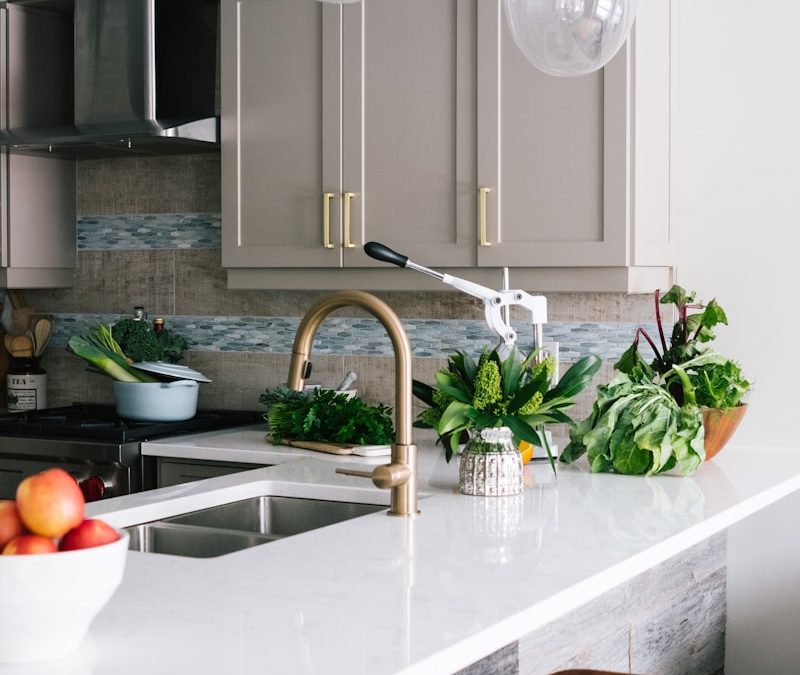
Fresh basil by the hob, a little pot of thyme near the kettle, mint for teas within arm’s reach – a miniature herb garden in your kitchen makes cooking feel so much easier (and tastier). You don’t need loads of space, just the right herbs, containers, and a simple care routine.
If you’d like more ideas for easy-care greenery, our guide to Low Maintenance Indoor Plants is a great companion read.
Contents
- 0.0.1 Why a Miniature Herb Garden in Your Kitchen Works So Well
- 0.0.2 Best Herbs for a Mini Kitchen Herb Garden
- 0.0.3 Choosing Containers and Soil for a Miniature Herb Garden
- 0.0.4 Light, Water, and Temperature for Kitchen Herbs
- 0.0.5 Step-by-Step: Planting Your Miniature Herb Garden
- 0.0.6 Ongoing Care and Harvesting Tips
- 0.0.7 FAQs About Miniature Herb Gardens in the Kitchen
- 0.0.8 Final Thoughts on a Miniature Herb Garden in Your Kitchen
- 0.0.9 Related Articles
- 1 Turn Your Mini Herb Garden Into a Basil Powerhouse
Why a Miniature Herb Garden in Your Kitchen Works So Well
A small kitchen herb garden is all about convenience. Instead of dashing outside, you snip what you need right where you cook. A miniature herb garden:
Fits on a windowsill, shelf, or narrow worktop.
Uses compact pots so you can grow several herbs side by side.
Makes it easier to spot when plants need water or a trim.
Adds greenery and fragrance to a space you use every day.
Because the garden is miniature, you’ll focus on just a few herbs that you actually use – which makes caring for your indoor herb garden much less overwhelming.
Best Herbs for a Mini Kitchen Herb Garden
You don’t need dozens of varieties to make a miniature herb garden work. Start with 3–5 reliable herbs that suit indoor conditions:
Basil – Loves warmth and consistent moisture. Great for pasta, salads, and sandwiches.
Parsley – Curly or flat-leaf types both do well; perfect for garnishes and sauces.
Thyme – Compact, scented, and tough; ideal for roasting and soups.
Chives – Slim, grass-like leaves that regrow after each cut; brilliant with eggs and potatoes.
Mint – Vigorous and forgiving; best kept in its own pot so it doesn’t take over.
Oregano or Marjoram – Mediterranean flavour that pairs nicely with tomatoes and grilled dishes.
Pick herbs you actually cook with every week. That way your miniature herb garden earns its space on the kitchen counter.
Choosing Containers and Soil for a Miniature Herb Garden
Good containers and soil make the difference between thriving herbs and plants that struggle.
Containers
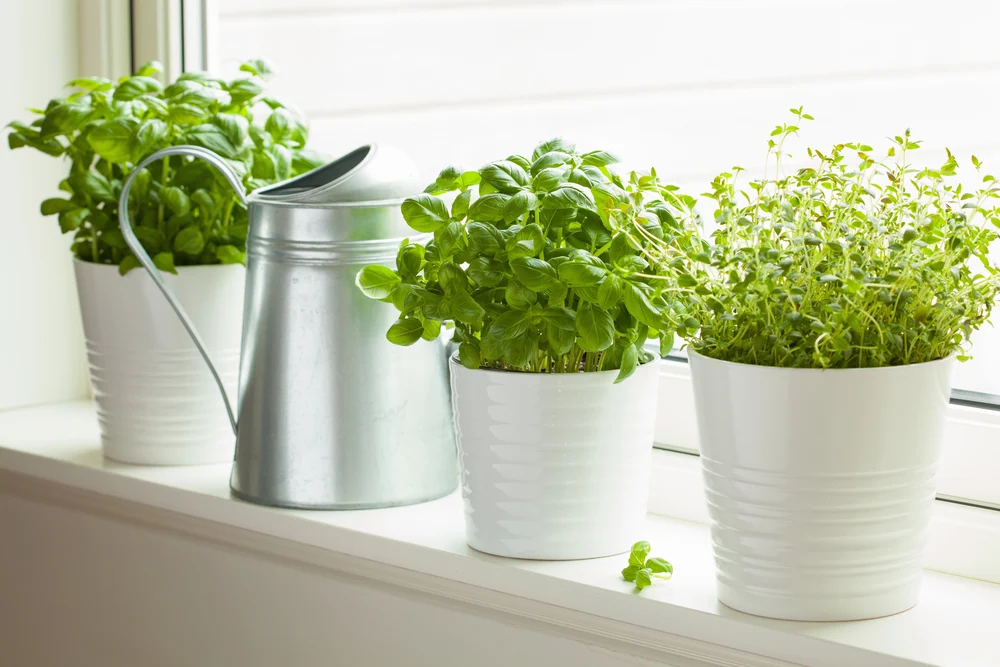
Choose small to medium pots (10–15 cm wide) with drainage holes.
Use matching pots or a narrow tray to keep things tidy on the counter.
Place saucers or a long drip tray underneath to protect surfaces.
A compact windowsill herb planter with drainage is perfect if you want several herbs in a single trough.
Soil
Use a high-quality potting mix rather than garden soil – it’s lighter and drains better.
Mix in a little perlite or grit if your kitchen is cool and stays damp.
Avoid heavy, soggy compost; most herbs prefer slightly dry, airy roots.
Light, Water, and Temperature for Kitchen Herbs
Most miniature herb gardens live on or near a kitchen window, so light is key.
Aim for bright, indirect light for at least 4–6 hours a day. A sunny east- or west-facing window is ideal.
On very hot south-facing windowsills, pull pots back a little to prevent leaves scorching.
Keep herbs away from cold draughts and very hot spots next to the oven.
According to RHS advice on growing herbs indoors, free-draining soil and bright light are the two biggest factors in keeping indoor herbs healthy.
Watering
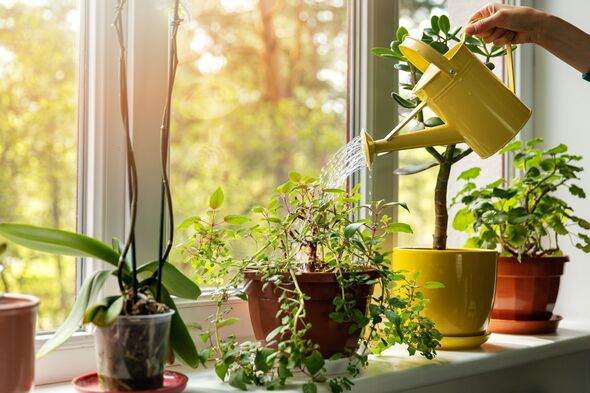
Check soil with your finger; water when the top 2–3 cm feel dry.
Water thoroughly until excess drains out of the base, then empty saucers.
Basil and mint like slightly more moisture; thyme and oregano prefer to dry a little between waterings.
A slim LED grow light bar can help if your kitchen is dark in winter.
Step-by-Step: Planting Your Miniature Herb Garden
- Plan your layout – Decide which herbs go where. Taller plants (like basil) should sit at the back, with low growers (like thyme) at the front.
- Prepare pots and soil – Add a thin layer of drainage material (grit or pebbles) to the base if pots are deep, then fill with potting mix, leaving 2–3 cm at the top.
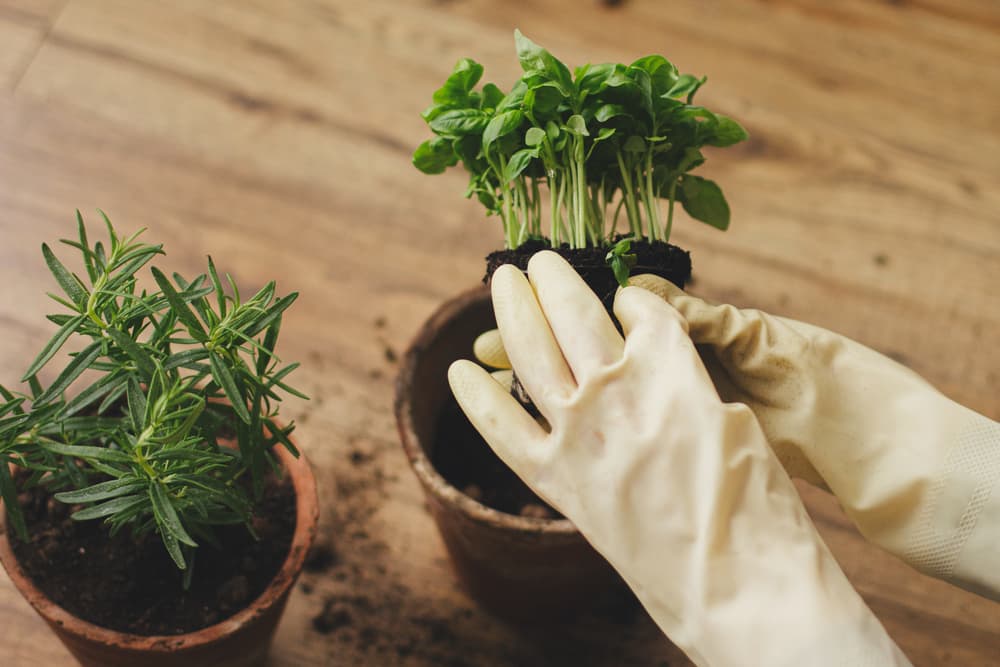
- Plant young herbs or sow seed – For young plants, gently loosen the root ball and set them at the same depth they were growing before. For seeds, follow packet spacing and depth instructions.
- Firm and water – Lightly press soil around the roots, water thoroughly, and let excess drain away. Avoid compacting the soil too hard.
- Label each pot – Use plant labels so you remember which herb is which, especially when they’re young.
Ongoing Care and Harvesting Tips
Once your miniature herb garden is planted, a simple routine keeps it productive:
Rotate pots every week so each side of the plant gets light, preventing lopsided growth.
Pinch out basil tips regularly to encourage bushy plants and delay flowering.
Harvest little and often – snip a few stems from each plant instead of stripping one bare.
Remove flowers from herbs like basil, mint, and chives if you want leaves to stay tender.
Feed lightly during the main growing season using a diluted liquid fertilizer once every 3–4 weeks.
A gentle organic liquid feed for herbs is ideal for miniature herb gardens – it keeps growth steady without making plants soft and weak.
FAQs About Miniature Herb Gardens in the Kitchen
1. Do I need a sunny window for a miniature herb garden in my kitchen?
Bright light is best, but you don’t need blazing sun all day. An east- or west-facing window works well. If your kitchen is quite dark, add a small LED grow light above the herbs.
2. How often should I water my kitchen herb garden?
Water when the top few centimetres of soil feel dry, rather than on a strict schedule. In warm rooms you might water every few days; in winter it may be once a week or less.
3. Can I grow a miniature herb garden in a kitchen with no windows?
Yes, but you’ll need artificial light. Place herbs under a grow light for 10–12 hours a day and keep them away from hot appliances and draughts.
4. Is it better to start herbs from seed or buy small plants?
For beginners, buying small herb plants is easier and gives quicker results. Once you’re comfortable, try starting basil, chives, or parsley from seed to save money.
5. Why do my kitchen herbs get leggy and weak?
Leggy growth usually means not enough light or too much fertilizer. Move plants to a brighter spot, trim them back lightly, and reduce feeding until they thicken up.
Final Thoughts on a Miniature Herb Garden in Your Kitchen
A miniature herb garden in your kitchen is one of the easiest ways to make indoor gardening feel useful every single day. With a handful of well-chosen herbs, a few small pots, and a simple watering routine, you’ll have fresh flavour at your fingertips whenever you cook.
Start small, pay attention to light and drainage, and harvest often. Over time you’ll learn which herbs you reach for the most and can adjust your miniature herb garden to match your cooking style – all without sacrificing precious counter space.
Related Articles
GROW FRESH FLAVOUR INDOORS
Turn Your Mini Herb Garden Into a Basil Powerhouse
If you want one hero herb that always delivers, basil is hard to beat. Learn exactly how to keep it bushy, fragrant, and productive on your kitchen countertop – even with tricky light.