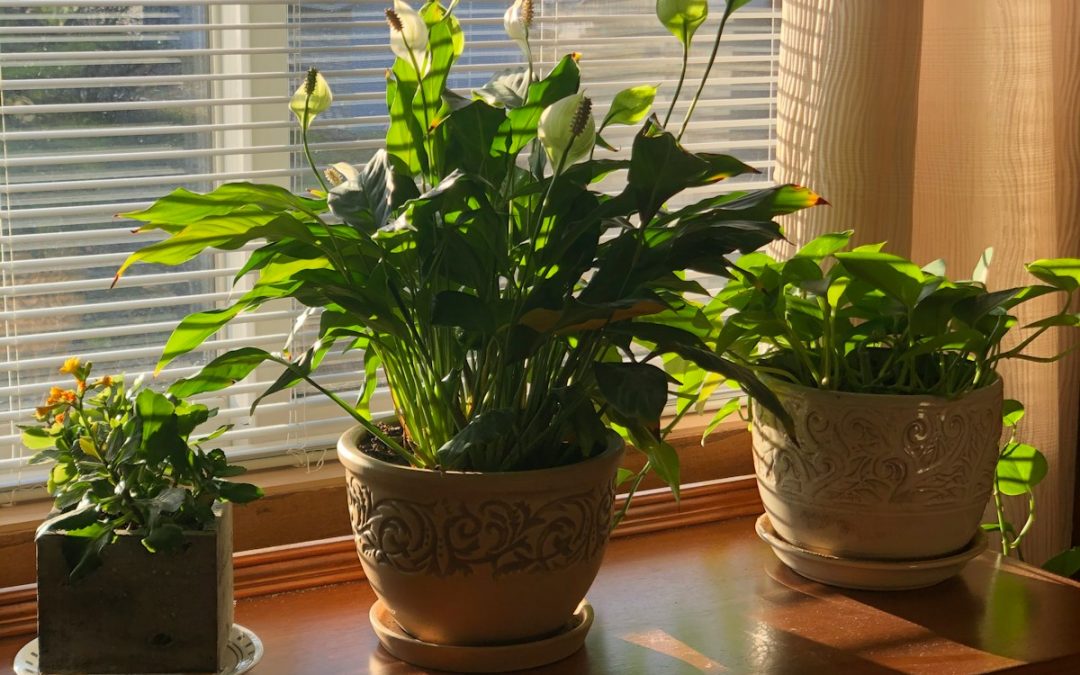
Low-maintenance indoor plants are perfect if you love greenery but don’t want to spend every evening watering, misting, and fussing over leaves. With the right choices and a simple routine, your plants can stay healthy with very little effort.
If you’d like a bigger-picture routine to go with this guide, our Indoor Garden Care: Definitive Guide walks through watering, light, and feeding habits that work for all your plants.
Contents
- 0.1 What Makes an Indoor Plant Low-Maintenance?
- 0.2 Best Low-Maintenance Indoor Plants for Beginners
- 0.3 Light and Placement Tips for Low-Maintenance Indoor Plants
- 0.4 Watering Routine for Low-Maintenance Indoor Plants
- 0.5 Soil, Pots, and Fertiliser for Easy-Care Houseplants
- 0.6 Troubleshooting Common Problems with Low-Maintenance Indoor Plants
- 0.7 FAQs About Low-Maintenance Indoor Plants
- 0.8 Final Thoughts on Low-Maintenance Indoor Plants
- 0.9 Related Articles
- 1 Avoid the Most Common Indoor Plant Watering Mistakes
What Makes an Indoor Plant Low-Maintenance?
Not every plant is built for a busy lifestyle. Truly low-maintenance indoor plants tend to share a few traits:
They tolerate inconsistent watering better than most.
They cope with average home light, not just full sun.
They’re not picky about humidity or temperature.
They don’t need constant pruning, repotting, or fertilising.
When you choose plants with these traits, your indoor jungle feels enjoyable instead of stressful – even if you occasionally forget a watering day.
Best Low-Maintenance Indoor Plants for Beginners
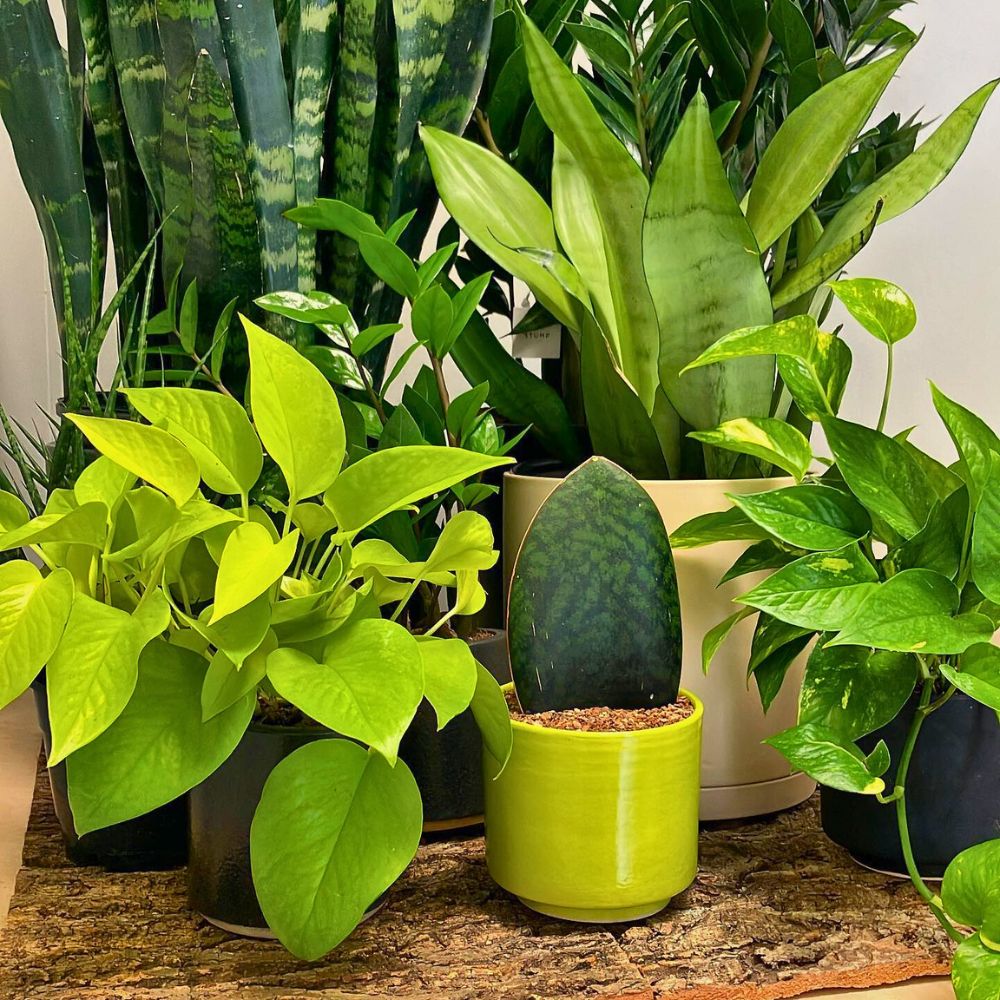
Here are some reliable low-maintenance indoor plants that suit most homes and experience levels:
1. Snake Plant (Sansevieria)
Almost impossible to kill, snake plants handle low light, dry air, and missed waterings. They’re perfect for bedrooms, hallways, and offices.
2. ZZ Plant (Zamioculcas zamiifolia)
With glossy, arching stems, the ZZ plant thrives on neglect. It stores water in its rhizomes, making it ideal if you travel or forget to water regularly.
3. Pothos (Epipremnum aureum)
Pothos vines grow happily in hanging baskets, shelves, or trailing from pots. They tolerate a wide range of light conditions and bounce back quickly if you slip up on watering.
4. Spider Plant (Chlorophytum comosum)
Spider plants are forgiving and fast-growing. They handle a bit of dryness and still produce baby plants you can share or repot.
5. Cast Iron Plant (Aspidistra elatior)
True to its name, the cast iron plant is tough. It copes with low light, cooler rooms, and irregular watering – ideal for darker corners.
6. Peace Lily (Spathiphyllum)
Peace lilies wilt to show they’re thirsty, then perk back up after watering. They enjoy medium light, and occasional blooms add a nice touch without much extra work.
Light and Placement Tips for Low-Maintenance Indoor Plants
Even easy-care plants need the right spot. To keep your low-maintenance indoor plants happy:
Aim for bright, indirect light unless a plant is specifically labelled as low-light.
Keep plants a little back from very hot, sunny windows to avoid leaf scorch.
Rotate pots every few weeks so growth stays even and doesn’t lean strongly to one side.
Avoid placing plants directly above radiators or in draughty doorways, which dry soil out faster.
According to RHS advice on houseplant care, most common indoor species prefer bright but filtered light and will struggle long term in rooms that are consistently dark.
Watering Routine for Low-Maintenance Indoor Plants
The biggest killer of “un-killable” plants is often overwatering, not neglect. A simple, consistent routine helps your low-maintenance indoor plants truly stay low effort.
Check the soil with your finger; if the top couple of centimetres feel dry, it’s usually time to water.
Water thoroughly until a little drains from the bottom, then empty the saucer.
Let the soil dry slightly between waterings, especially for drought-tolerant plants like snake plant and ZZ plant.
In winter, reduce watering as growth slows and indoor air is cooler.
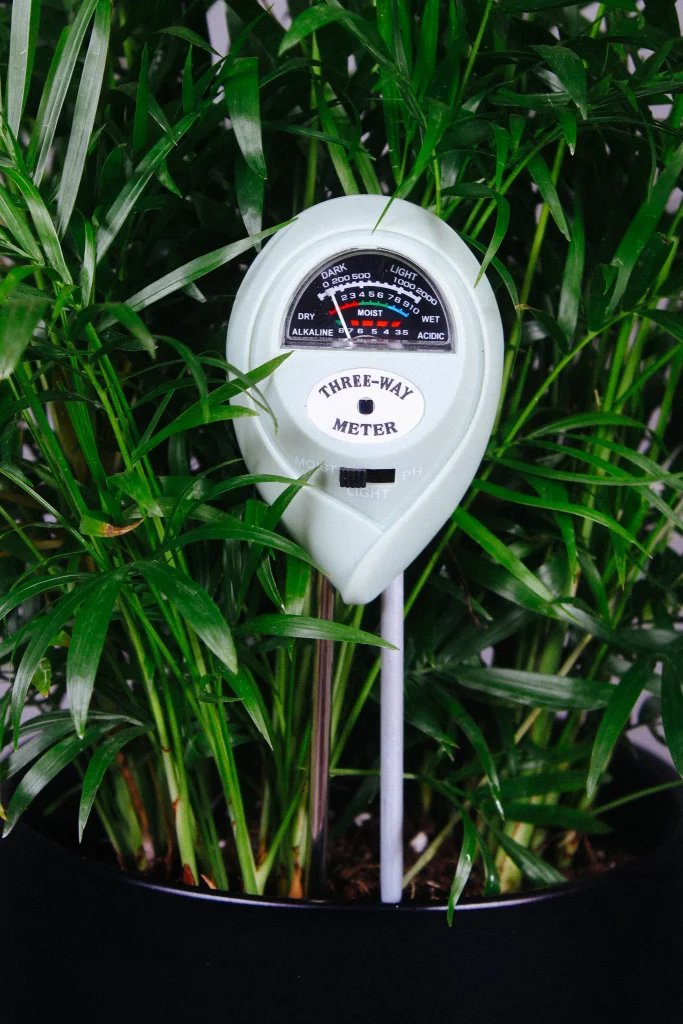
A simple digital soil moisture meter for indoor plants can remove the guesswork and stop you watering “just in case” when the soil is already wet.
Soil, Pots, and Fertiliser for Easy-Care Houseplants
Good basics make low-maintenance indoor plants even easier to look after.
Use a well-draining potting mix designed for houseplants so roots don’t sit in water.
Make sure every pot has drainage holes; decorative cachepots are fine as long as the inner pot can drain.
Add a thin layer of drainage material (like lightweight clay pebbles) at the bottom if your pots are deep.
For busy plant owners, self-watering indoor plant pots with hidden reservoirs can be a game-changer, keeping soil evenly moist for days without constant checks.
Most low-maintenance indoor plants only need a light feed during spring and summer. A balanced liquid fertiliser at half-strength every 4–6 weeks is usually enough; skip feeding in winter when plants are resting.
Troubleshooting Common Problems with Low-Maintenance Indoor Plants
Even the easiest plants can show stress sometimes. Here’s how to decode a few common issues:
Yellow leaves: often from overwatering or poor drainage. Let soil dry out more and check for waterlogged roots.
Brown leaf tips: could be dry air, inconsistent watering, or a build-up of fertiliser salts. Flush the soil with clean water and trim off damaged tips.
Leggy, stretched growth: usually a sign of low light. Move the plant closer to a window or a brighter room.
Drooping leaves: can be underwatering, overwatering, or sudden temperature changes. Check soil moisture before reacting.
The good news is that low-maintenance indoor plants bounce back quickly once you correct the underlying problem – especially if roots are still healthy.
FAQs About Low-Maintenance Indoor Plants
1. What is the easiest indoor plant to keep alive?
Snake plants and ZZ plants are often considered the easiest. They tolerate low light, dry air, and missed waterings better than most other houseplants.
2. Can low-maintenance indoor plants grow in low light?
Some, like pothos and cast iron plant, handle low light quite well. However, all plants need at least some light, so extremely dark rooms are still challenging.
3. Do low-maintenance plants still need fertiliser?
Yes, but not much. A light, occasional feed in spring and summer helps them stay green and strong without turning care into a big job.
4. How often should I water low-maintenance indoor plants?
It depends on the plant, pot size, and room conditions. As a rule of thumb, water when the top of the soil feels dry rather than on a fixed calendar.
5. Are low-maintenance indoor plants safe for pets?
Some are, some aren’t. Spider plants are generally considered pet-friendly, while plants like peace lily and certain others can be mildly toxic. Always check each species if you have pets.
Final Thoughts on Low-Maintenance Indoor Plants
Low-maintenance indoor plants let you enjoy the benefits of greenery without turning plant care into another chore on a long to-do list. By picking tough, forgiving species and giving them decent light, drainage, and a simple watering routine, you’ll spend more time enjoying your plants than worrying about them.
Start with a few reliable favourites, see how they behave in your space, and then gradually grow your collection. With a small amount of attention and a little observation, low-maintenance indoor plants really can stay low effort – and still look fantastic.
Related Articles
KEEP YOUR PLANTS HAPPY WITH LESS EFFORT
Avoid the Most Common Indoor Plant Watering Mistakes
If you want your low-maintenance indoor plants to stay healthy with minimal fuss, getting watering right is key. Our Indoor Plant Watering Mistakes guide shows you the simple errors to avoid – like hidden overwatering, bad drainage, and poor timing – so your plants stay lush without extra work.