
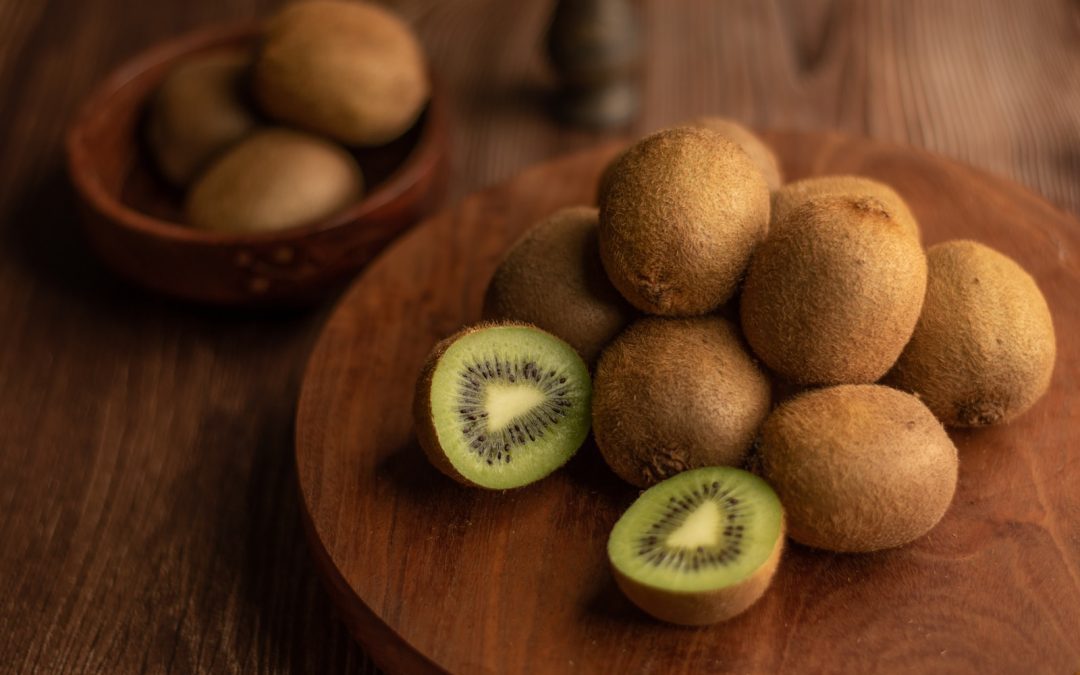
Growing kiwi at home is easier than it looks. With the right variety, support, and simple care, you can train kiwi vines up a trellis or fence and enjoy loads of fresh, tangy fruit from your own garden or patio.
If you’d like more help with long-term vine health, pruning, and troubleshooting, pair this with our Complete Guide to Nurturing Kiwi Plants, which focuses more on ongoing care once your plants are established.
Contents
- 0.1 Choosing the Right Kiwi Variety
- 0.2 The Best Spot and Soil for Growing Kiwi
- 0.3 Planting Kiwi Vines for a Strong Start
- 0.4 Supporting and Training Kiwi Vines
- 0.5 Watering and Feeding Kiwi Plants
- 0.6 Pruning Kiwi and Managing Growth
- 0.7 Flowering, Pollination, and Fruit Set
- 0.8 Common Problems When Growing Kiwi (and Simple Fixes)
- 0.9 FAQs About How to Grow Kiwi
- 0.10 Final Thoughts on How to Grow Kiwi
- 0.11 Related Articles
- 1 Discover the Best Dwarf Fruit Trees for Indoors
Choosing the Right Kiwi Variety
The first step in learning how to grow kiwi is choosing varieties that suit your climate and space. There are two main types you’ll see for home gardens:
Fuzzy kiwi (Actinidia deliciosa) – the classic brown, fuzzy fruit you see in shops. These usually prefer milder climates and longer growing seasons.
Hardy kiwi (Actinidia arguta and relatives) – smaller, smooth-skinned fruits that tolerate colder conditions better and can be eaten whole.
You’ll also notice:
Female and male plants: Most kiwis need one male plant to pollinate several females (often up to 6–8). Make sure you’re buying compatible varieties.
Self-fertile kiwis: Some modern varieties are self-fertile and can crop from a single plant, which is ideal if you’re short on space.
When you’re starting out, choosing a self-fertile hardy kiwi makes how to grow kiwi a lot simpler, especially in cooler regions or smaller gardens.
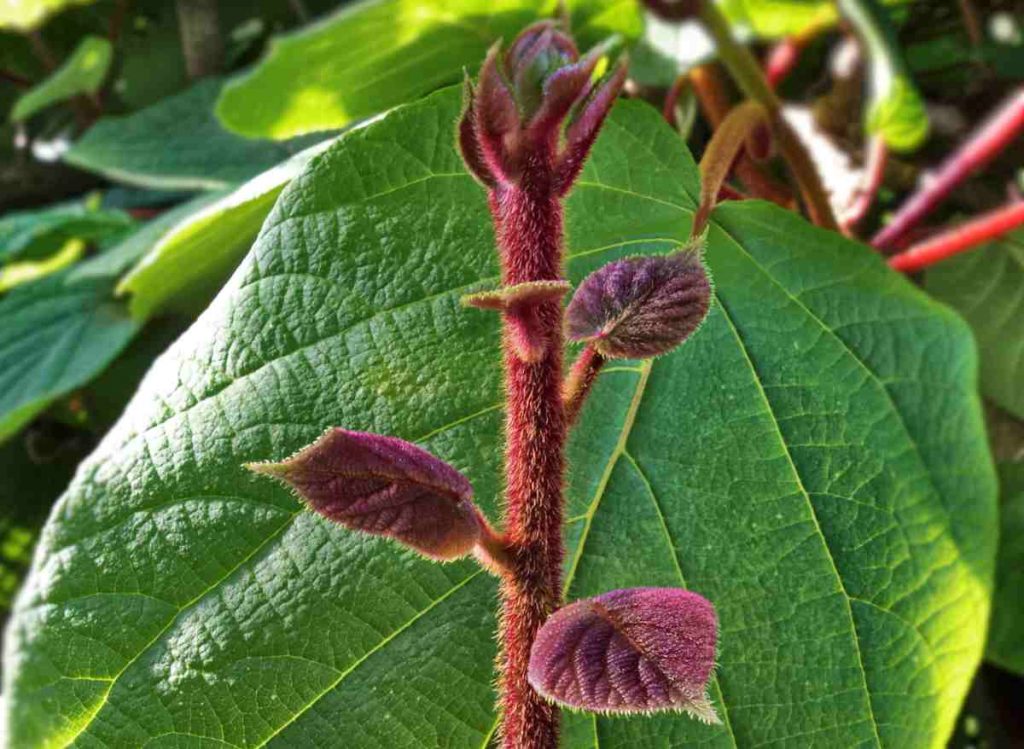
The Best Spot and Soil for Growing Kiwi
Kiwi vines love warmth, sun, and good drainage. Getting the planting site right makes everything else much easier.
Light: Choose a position in full sun if possible, or at least a spot with several hours of bright light each day.
Shelter: Kiwi vines appreciate a sheltered wall, fence, or pergola, especially in windy or exposed gardens.
Soil: Aim for a well-draining, fertile soil that’s rich in organic matter. Heavy, waterlogged clay will slow growth and stress the roots.
Before planting, dig in plenty of garden compost or well-rotted manure to improve structure and feed the soil. If your ground is very wet, consider a raised bed or large container so you can control drainage better.
For container growing, a deep, sturdy planter with drainage holes suitable for fruit bushes and vines works well and gives kiwi roots enough space to spread.
Planting Kiwi Vines for a Strong Start
Once you’ve chosen your spot, it’s time to plant. Good planting technique is an important part of learning how to grow kiwi successfully.
- Dig a generous hole – roughly twice as wide as the pot and slightly deeper.
- Loosen the roots – gently tease out any roots circling the pot so they grow outwards.
- Set the plant at the same depth it was growing in the pot – don’t bury the stem.
- Backfill with improved soil, firming gently to remove air pockets.
- Water thoroughly, letting water soak right down to the root zone.
Space kiwi vines at least 2–3 metres apart, as they can grow vigorously once they get going. If you’re planting a male and female, follow spacing advice on the labels and make sure the male is close enough for good pollination.
Supporting and Training Kiwi Vines
Kiwi is a vigorous climber, so providing strong support early on is essential. A big part of how to grow kiwi well is simply giving it something solid to climb.
Good support options include:
A sturdy wooden or metal pergola
A strong fence with horizontal wires
A heavy-duty trellis fixed firmly to a wall or posts
As the vines grow:
Tie new shoots loosely to your support, training them sideways as well as upwards.
Create one or two main framework stems, then allow side shoots to develop along them.
Remove any weak, damaged, or badly placed stems to keep the structure open and manageable.
Over time, kiwi vines can become quite heavy, so it’s worth overbuilding your support from the start rather than upgrading later.
Watering and Feeding Kiwi Plants
Kiwi vines like consistent moisture, especially while they’re getting established and during the main growing season.
Watering tips:
Keep the soil evenly moist, but never waterlogged.
Water deeply rather than giving tiny sips – aim to soak the root zone each time.
In hot, dry spells, check container-grown kiwis daily and water when the top of the soil feels dry.
Feeding tips:
In early spring, apply a balanced slow-release fertiliser around the root zone to support new growth.
In late spring or early summer, a light top-up helps fuel flowering and fruit development.
Avoid overfeeding with high-nitrogen fertilisers, which can push lots of leafy growth at the expense of fruit.
A balanced slow-release fertiliser for fruit trees and soft fruit in containers and beds is ideal for feeding kiwi vines gradually as they grow.
Mulching with compost or well-rotted manure in spring helps lock in moisture and keeps the soil life active around the roots.
Pruning Kiwi and Managing Growth
Pruning is one of the trickier parts of how to grow kiwi, but you don’t need to be an expert to keep vines under control. The main goals are to:
Maintain a strong framework of main stems on your support.
Encourage fruiting wood close to the framework, not metres away.
Remove congested, weak, or dead growth.
Basic approach:
In winter, when the vine is dormant, shorten side shoots back to a few buds from the main framework. These buds will carry the next season’s fruiting growth.
Remove any stems that are crossing, rubbing, or growing in completely the wrong direction.
In summer, you can lightly trim overly vigorous shoots to keep the plant within bounds.
If you’re ever unsure, prune lightly rather than heavily – it’s easier to correct under-pruning next season than to fix a plant that’s been cut back too hard in one go.
According to a university extension guide on training and pruning hardy kiwi, regular light pruning and strong horizontal supports help keep fruiting wood productive and within easy reach for harvesting.
Flowering, Pollination, and Fruit Set
Kiwi vines don’t fruit straight away. When you’re learning how to grow kiwi, it helps to know what to expect.
Kiwi plants often take 3–5 years to start flowering, depending on variety and growing conditions.
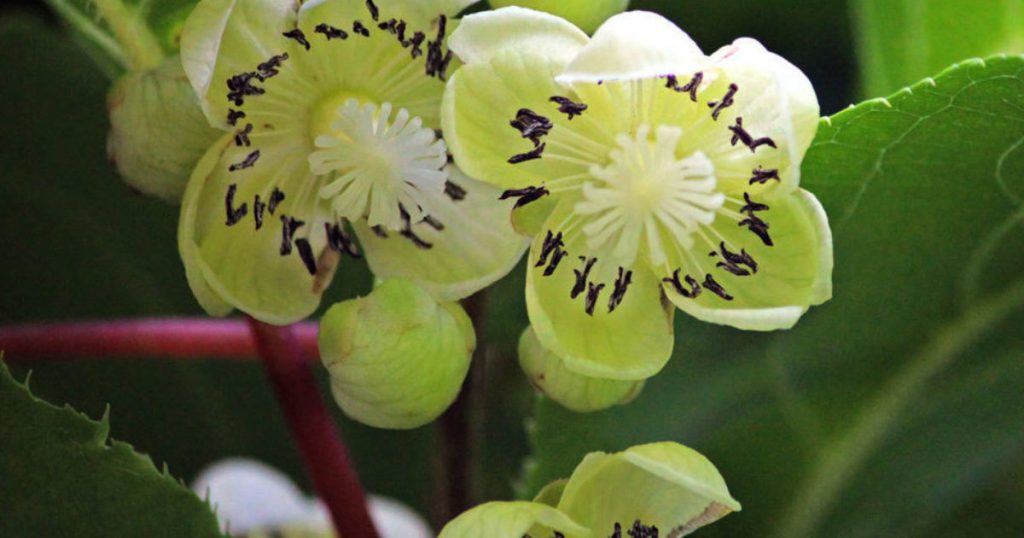
Flowers usually appear in late spring or early summer on shoots that grew the previous year.
If you’re growing male and female plants, pollinators (like bees) transfer pollen between them.
To encourage good fruit set:
Make sure your vines are getting enough sunlight and are not over-shaded.
Keep plants well-watered during flowering and fruit swelling.
Avoid very heavy nitrogen feeding right before flowering.
Self-fertile varieties still benefit from insect activity and good conditions, but they don’t need a separate male plant.
Common Problems When Growing Kiwi (and Simple Fixes)
Even with good care, a few issues can crop up.
No flowers or fruit: Vines may be too young, not getting enough light, or pruned too hard. Check variety details and give them time to mature.
Yellowing leaves: Can be caused by waterlogged soil, nutrient imbalance, or root problems. Improve drainage and review feeding.
Frost damage: Young shoots can be hit by late frosts. In colder areas, use fleece on cold nights in spring.
Vigorous, tangled growth: A sign that pruning or training has slipped. Tackle a bit each winter to gradually get the structure back.
Most kiwi problems are solved by going back to the basics of how to grow kiwi well: sun, drainage, balanced feeding, and consistent training.
FAQs About How to Grow Kiwi
1. Can I grow kiwi in a container?
Yes. Compact or hardy varieties can do well in large pots if you provide a deep container, free-draining compost, strong support, and regular watering and feeding.
2. Do I always need a male and female kiwi plant?
Not always. Some modern kiwi varieties are self-fertile and can fruit on a single plant. Traditional types usually need one male to pollinate several females, so always check labels.
3. How long does it take kiwi plants to fruit?
Expect to wait around 3–5 years from planting before you see a decent crop. Good care and correct pruning help vines reach fruiting age in better shape.
4. Can kiwi plants survive frost?
Hardy kiwi types tolerate more cold than fuzzy supermarket-style kiwis. Established plants cope better, but young vines and new shoots may still need protection from late frosts.
5. How big do kiwi vines get?
Given the chance, kiwi vines can become quite large, often several metres across. That’s why strong supports and regular pruning are such important parts of growing kiwi at home.
Final Thoughts on How to Grow Kiwi
Once you understand how to grow kiwi step by step – choosing the right variety, giving it strong support, keeping the soil rich and free-draining, and pruning a little each year – the process becomes far less intimidating. Kiwi vines may take a few seasons to reward you, but when they do, the harvest and the look of a well-covered trellis are worth the wait.
Start with one or two well-chosen plants, keep an eye on how they grow through the seasons, and don’t be afraid to adjust your training and pruning as you go. With patience and steady care, kiwi vines can become one of the most impressive and productive features in your garden.
Related Articles
GROW MORE FRUIT TREES IN SMALL SPACES
Discover the Best Dwarf Fruit Trees for Indoors
Once you’ve learned how to grow kiwi, you might want to add even more fruit variety without needing a full orchard. Our Dwarf Fruit Trees for Indoors guide shows you the best compact varieties, pot sizes, and care tips so you can enjoy lemons, oranges, and other fruits in containers and small spaces.