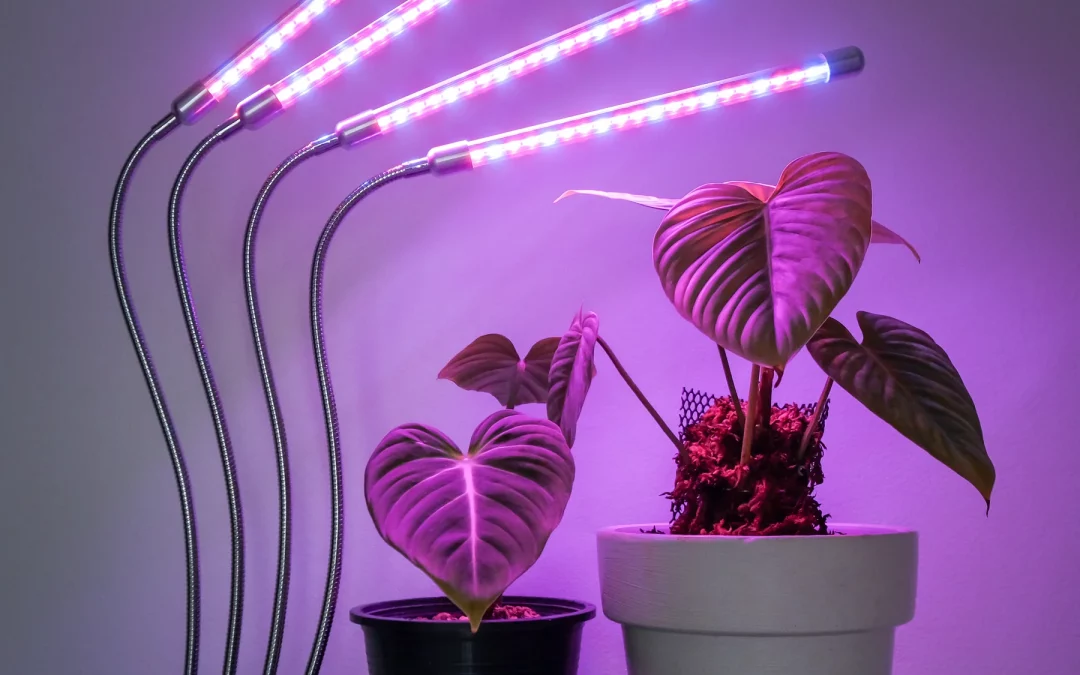
If you want a useful indoor plant grow light guide, the biggest thing to know is that most plant problems under grow lights come from placement, duration, or expectations — not from buying the “wrong” lamp. A grow light can absolutely help indoor plants, but only if it is close enough, bright enough, and used consistently.
Contents
- 0.1 What a grow light actually helps with
- 0.2 When indoor plants actually need a grow light
- 0.3 Types of grow lights for indoor plants
- 0.4 How close should a grow light be?
- 0.5 How long should you leave a grow light on?
- 0.6 Best grow lights for different plant types
- 0.7 Signs your grow light setup is working
- 0.8 Signs your grow light setup is wrong
- 0.9 Do cheap grow lights work?
- 0.10 Common grow light mistakes
- 0.11 FAQs About Indoor Plant Grow Lights
- 0.12 Final Thoughts on Indoor Plant Grow Light Guide
- 0.13 Related Articles
- 1 Build a Simpler Setup That Plants Can Actually Use
Quick answer: indoor plant grow light guide
Use grow lights when window light is too weak, too short, or too far from the plant.
Keep the light close enough to be useful, but not so close it stresses leaves.
Run it on a regular schedule, not randomly.
Match the setup to the plant: leafy houseplants need less than fruiting or edible plants.
Stronger light usually matters more than fancy features.
Do this first: Check how far your plant is from the window now. If it sits in a dim room or several feet back from the glass, a grow light is much more likely to help.
If you’re trying to solve weak growth rather than just buy equipment, Make Indoor Plants Grow Faster is a useful companion because it shows where light fits into the bigger picture.
What a grow light actually helps with
A grow light is there to replace or top up natural light when your home is not giving plants enough usable light to grow well.
That usually helps with:
leggy, stretched growth
slow or stalled plants
winter light drop
darker rooms or shaded windows
indoor edible plants that need more than a normal room can provide
It does not fix:
soggy compost
poor drainage
pests
overfeeding
cold drafts
So think of a grow light as one part of the setup, not the full answer to every plant problem.
When indoor plants actually need a grow light
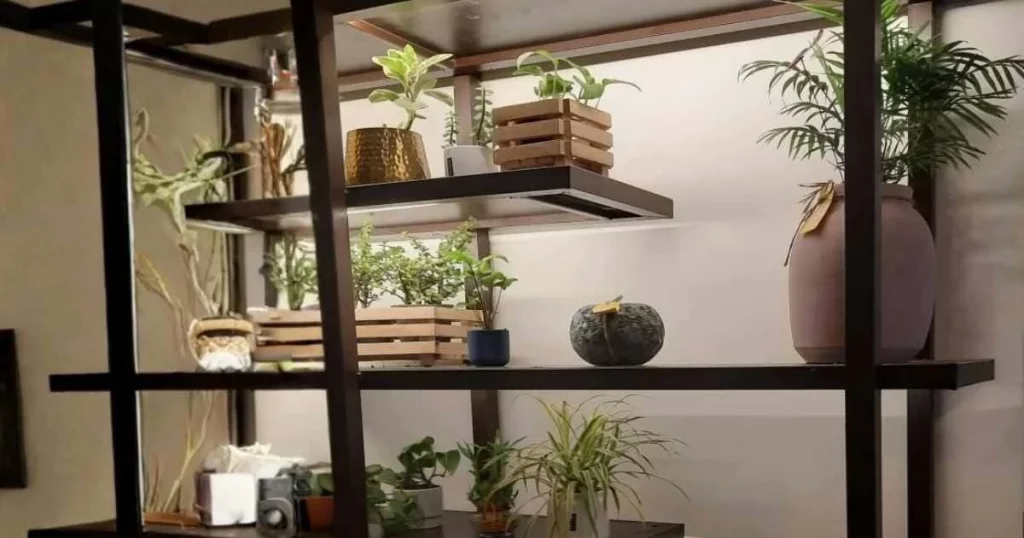
Not every plant needs one. Some low-light-tolerant plants cope well in brighter homes without extra lighting. Others really benefit from a grow light, especially in winter.
A grow light usually makes the biggest difference when:
the plant is far from a window
your room is north-facing or heavily shaded
days are short and dull for months
you’re growing edibles indoors
your plant keeps getting leggy or weak
If your plant already gets strong, bright natural light for much of the day, you may not need one at all.
If you’re trying to judge your current setup properly, Best Lights for Indoor Gardening works well as a related read because it helps you work out whether your existing light is already enough.
Types of grow lights for indoor plants
This is where people often overcomplicate it. For most home growers, the main useful choices are simple.
Clip-on grow lights
Good for:
one or two plants
shelves
kitchen herbs
small plant corners
Bar or strip lights
Good for:
plant shelves
longer rows of plants
seedlings
grouped houseplants
Panels
Good for:
stronger coverage
larger groups
edible plants
light-hungry setups
Bulbs
Good for:
lamps or fixtures you already own
simple single-plant upgrades
The best choice is usually the one that matches your space and plant type, not the one with the most marketing features.
A full-spectrum LED grow light panel for indoor plants is often the easiest all-round option if you want one stronger light that covers more than a single pot.
How close should a grow light be?
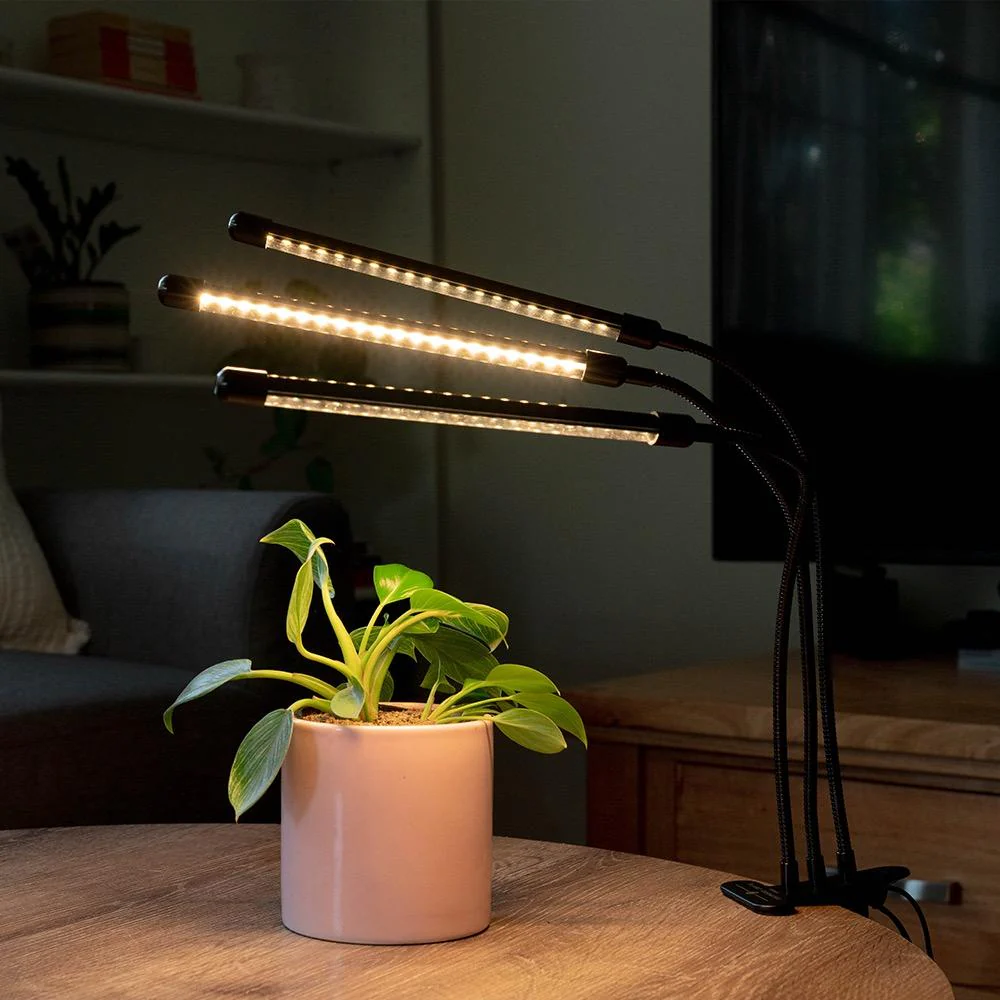
This matters more than most people realise. A light can look bright to you and still be too far away to help the plant much.
A simple rule:
weaker lights need to be closer
stronger lights can sit slightly higher
leaves should sit in the useful light zone, not off to the side
If the light is too far away, plants often:
stretch toward it
stay thin and weak
grow slowly even though the light is “on”
If the light is too close, leaves can:
bleach
curl
look stressed
If you want a practical example of this in action, Grow Light Placement is the best related article because placement is where most grow-light setups go wrong.
How long should you leave a grow light on?
Indoor plants do better with a steady routine than random hours.
A simple starting point:
foliage houseplants: moderate daily use
herbs and leafy edibles: a bit more
fruiting crops: longer and stronger setups
The key is consistency. Switching the light on “whenever you remember” is usually much less helpful than putting it on a timer.
A plug-in timer for grow lights is one of the easiest upgrades because it keeps the routine consistent without you thinking about it every day.
Best grow lights for different plant types
You do not need the same setup for every plant.
Houseplants grown for foliage
Usually need:
moderate intensity
regular daily use
decent placement
Herbs
Usually need:
brighter setups than people expect
lights close enough to keep them compact
steady schedules
Leafy edibles
Usually need:
stronger light than average room conditions
good coverage if you are growing several plants
Fruiting indoor crops
Usually need:
the strongest setup
close attention to distance and timing
more deliberate care overall
If you’re growing food indoors, Indoor Vegetable Garden Soil is also worth linking into your setup because light and soil work together — strong light won’t help much if roots are stuck in soggy compost.
Signs your grow light setup is working
A good setup usually shows up in the plant fairly quickly.
Positive signs:
shorter, sturdier growth
better colour
new leaves appearing more steadily
less leaning toward the window
stronger regrowth after pruning or harvesting
If nothing improves after a while, it usually means one of these:
the light is too weak
the light is too far away
the plant still has another problem like wet roots or pests
Signs your grow light setup is wrong
Plant is still leggy
Usually the light is too weak or too far away.
Leaves look stressed or pale
The light may be too close, or the plant may be struggling with heat or watering as well.
Growth is still slow
Often this means the plant is missing something else too, such as drainage, warmth, or root space.
The plant looks better on one side only
The light coverage is uneven, or the plant is still leaning toward natural light from the window.
A useful reminder here is that University of Georgia Extension’s indoor plant lighting guidance explains that distance from the light source matters a lot for how much useful light a plant actually receives, which is why placement usually matters more than people expect.
Do cheap grow lights work?
Sometimes, yes — but only if they are:
strong enough for the plant type
close enough to the plant
used consistently
A cheap light can still help a pothos or herb on a dark shelf. But very weak lights often disappoint people with fruiting crops or bigger plants because the setup simply isn’t strong enough.
This is why matching the light to the plant matters more than buying something just because it says “grow light” on the box.
Common grow light mistakes
Using the light too far away
This is probably the biggest one. Even a decent light becomes much less useful when it is positioned too high or too far off to the side.
Expecting a weak light to fruit peppers or tomatoes
Fruiting plants need a much stronger setup than foliage plants.
Forgetting the schedule
A timer often helps more than another “fancier” light if your routine is inconsistent.
Ignoring the rest of the setup
Plants under a grow light still need:
good drainage
the right watering rhythm
decent airflow
enough root room
If your plant is still struggling even with a light, Common Indoor Plant Problems is a useful supporting read because light is only one part of the diagnosis.
FAQs About Indoor Plant Grow Lights
Do indoor plants really need grow lights?
Some do, some do not. It depends on how much real light your home already gives them.
Can a grow light replace a window?
For some plants and setups, yes. But the quality of the light and the distance from the plant matter a lot.
How close should a grow light be to houseplants?
Close enough to be effective, but not so close that it stresses leaves. The exact distance depends on the light strength.
Are grow lights worth it for houseplants?
Yes, especially if your home is dim, winter light is poor, or your plants keep growing leggy and weak.
Final Thoughts on Indoor Plant Grow Light Guide
A useful indoor plant grow light guide really comes down to this: choose a light that matches your plant, keep it close enough to matter, and use it consistently. For most homes, placement and routine make a bigger difference than chasing the fanciest product. Once those basics are in place, grow lights can make indoor plants much easier to keep healthy all year.
Related Articles
Make indoor lighting feel less confusing
Build a Simpler Setup That Plants Can Actually Use
Grow lights help most when they are matched to the plant, positioned properly, and used on a steady schedule. Once those basics are right, houseplants and indoor edibles usually respond much better.