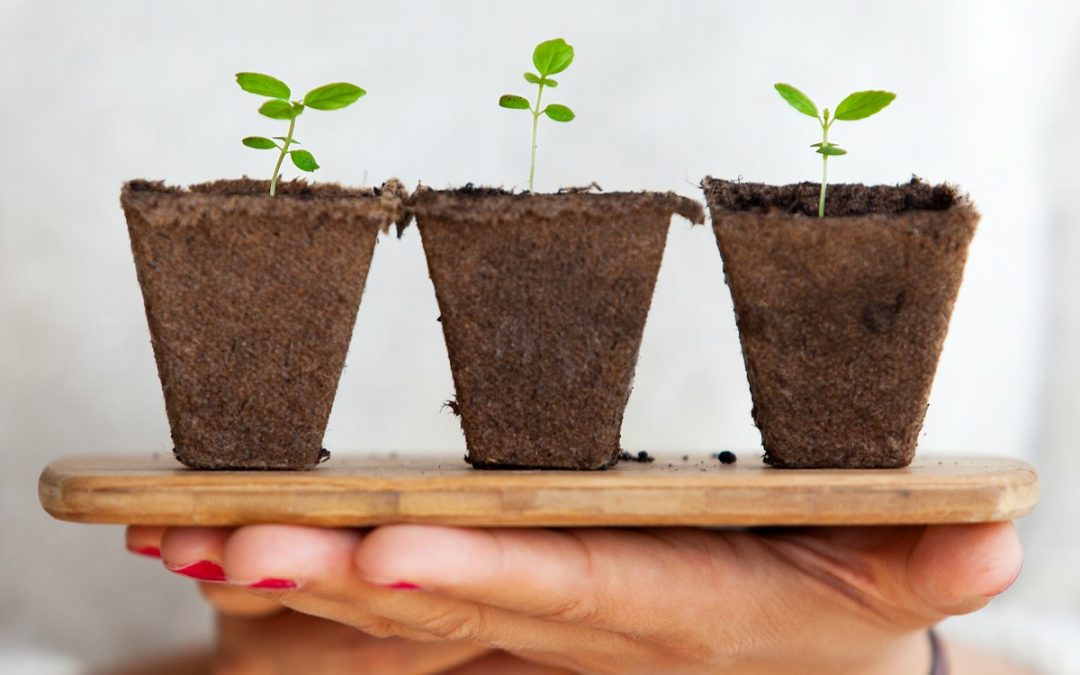
Having the right indoor gardening tools makes everything easier – from watering and pruning to keeping leaves clean and soil healthy. With a few well-chosen basics, you can look after your plants properly without cluttering your shelves or spending a fortune.
Below is a beginner-friendly toolkit and some simple tips so you know exactly what’s worth buying – and what you can skip.If you’re working with shelves, windowsills or a small balcony, our Small-Space Gardening Tools guide is a great companion read to help you combine these indoor essentials with clever, space-saving gear.
Contents
- 0.1 Why the Right Indoor Gardening Tools Matter
- 0.2 Must-Have Indoor Gardening Tools
- 0.2.1 1. Narrow-Spout Watering Can
- 0.2.2 2. Fine Mister or Spray Bottle
- 0.2.3 3. Hand Trowel and Hand Fork
- 0.2.4 4. Small Pruners or Snips
- 0.2.5 5. Soil Moisture Meter
- 0.2.6 6. Protective Gloves and Apron
- 0.2.7 7. Plant Ties, Supports, and Clips
- 0.2.8 8. Trays, Saucers, and Pebble Trays
- 0.2.9 9. Indoor Grow Lights (If Light Is Limited)
- 0.3 Helpful Extras That Make Indoor Gardening Easier
- 0.4 Tool Care and Storage Tips for Small Spaces
- 0.5 Safety Tips When Using Indoor Gardening Tools
- 0.6 FAQs About Indoor Gardening Tools
- 0.7 Final Thoughts on Essential Indoor Gardening Tools
- 0.8 Related Articles
- 1 Discover the Best Indoor Gardening Tool Set
Why the Right Indoor Gardening Tools Matter
Indoor plants live in a more controlled, often drier environment than outdoor beds. Good tools help you:
Water accurately instead of guessing.
Avoid mess and damage on windowsills, shelves, and floors.
Spot problems earlier (like dry soil or yellowing leaves).
Work quickly, so plant care doesn’t feel like a chore.
Think of your tools as a small investment in healthier plants and less frustration.
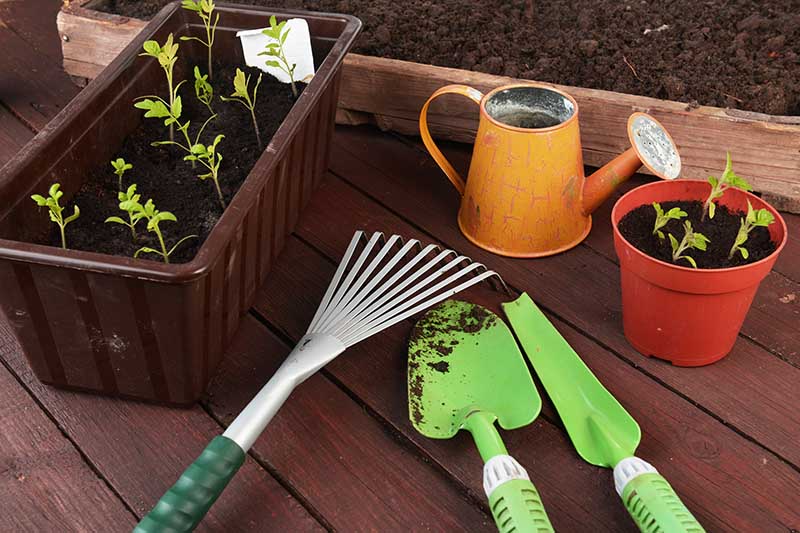
Must-Have Indoor Gardening Tools
1. Narrow-Spout Watering Can
A small watering can with a long, narrow spout lets you reach into pots without splashing water over leaves or furniture.
Look for:
1–2 litre capacity (easy to carry around the house).
Removable rose or fine spout for gentle watering.
Rust-resistant metal or sturdy plastic.
2. Fine Mister or Spray Bottle
Many houseplants – especially tropicals – enjoy a little extra humidity. A mister helps you lightly spray foliage without soaking the soil.
Tips:
Use filtered or rainwater if your tap water is very hard.
Mist in the morning so leaves dry before night.
Avoid misting fuzzy-leaved plants (like African violets).
3. Hand Trowel and Hand Fork
These two are your tiny indoor “spade and rake” – ideal for repotting, adding fresh compost, or gently loosening soil.
Hand trowel: scoops soil into pots, helps with repotting.
Hand fork: loosens compacted compost and teases out roots.
Look for smooth handles that are comfortable to grip, especially if you have a lot of pots.
4. Small Pruners or Snips
Clean, sharp cuts keep stems healthy and help plants grow bushier.
Use pruners to:
Remove dead or yellow leaves.
Trim leggy stems to encourage new growth.
Cut herb sprigs for the kitchen.
Wipe blades with a cloth and a little rubbing alcohol after use to reduce the risk of spreading disease.
5. Soil Moisture Meter
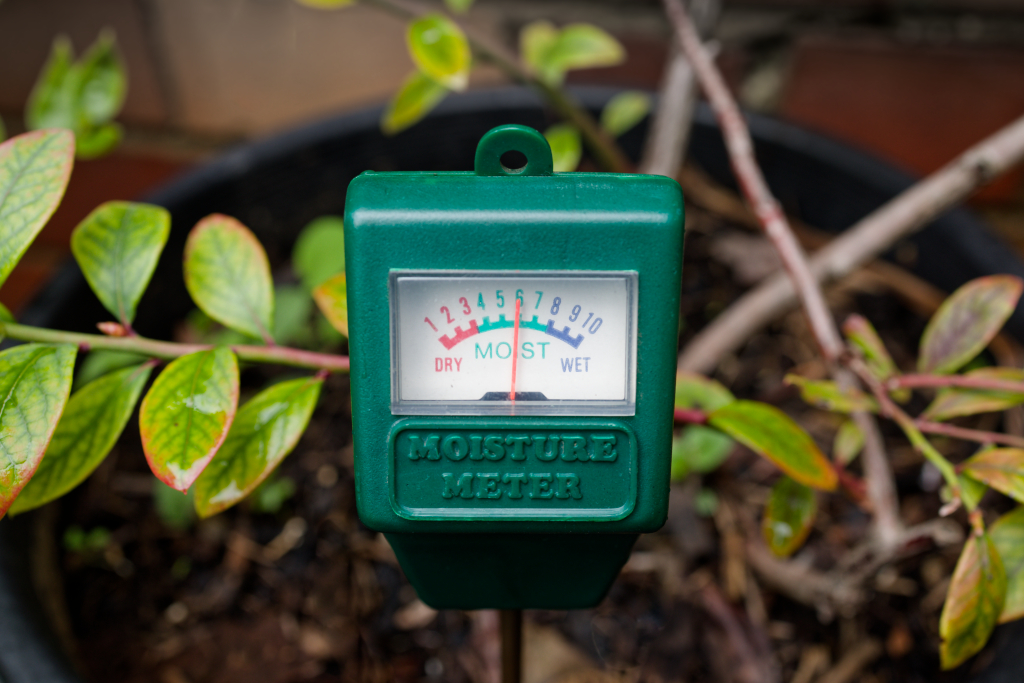
Guessing when to water is one of the main reasons indoor plants suffer. A simple moisture meter helps you see what’s happening below the surface.
Insert the probe halfway into the pot.
Check the reading (dry, moist, or wet).
Water when the soil reaches the recommended level for that plant.
This is especially helpful for larger pots and moisture-sensitive plants like fiddle leaf figs.
6. Protective Gloves and Apron
Even indoors, soil can be messy and some plants can irritate skin.
Lightweight, washable gloves protect your hands.
A waterproof or canvas apron keeps clothes clean when potting up or mixing compost.
Hang them near your plant area so they’re always ready.
7. Plant Ties, Supports, and Clips
Climbing and vining plants need something to cling to.
Useful options include:
Soft plant ties or Velcro strips.
Bamboo canes or slim stakes.
Small clips for attaching stems to supports.
Avoid using rough string or wire directly on stems, as it can cut into plant tissue over time.
8. Trays, Saucers, and Pebble Trays
Trays and saucers stop water from staining shelves or windowsills and protect surfaces from soil spills.
Choose saucers slightly wider than the pot.
For humidity-lovers, use a shallow tray filled with pebbles and water – pots sit on top so roots don’t stay soaked.
9. Indoor Grow Lights (If Light Is Limited)
If your home is short on bright windows, a simple LED grow light can be a game changer.
Clip-on or strip lights work well on shelves.
Look for full-spectrum LEDs designed for plants.
Aim for 10–12 hours of light for high-light species.
According to the RHS, providing adequate light is one of the most important factors for healthy houseplant growth.
Helpful Extras That Make Indoor Gardening Easier
You don’t need all of these on day one, but they’re very handy as your collection grows:
Small dustpan and brush – for spilled compost.
Soft microfibre cloth – gently cleans dusty leaves.
Funnels or scoops – for topping up soil without mess.
Storage box or basket – keeps all your tools together.
Tool Care and Storage Tips for Small Spaces
Keep tools dry: Wipe off soil and moisture after use to prevent rust and mould.
Store blades safely: Use blade covers or keep pruners clipped shut when not in use.
Group items by task: For example, a “watering kit” (can, mister, moisture meter) and a “repotting kit” (trowel, fork, compost scoop).
Choose one base station: A cupboard, crate, or basket near your brightest window keeps everything easy to grab.
Safety Tips When Using Indoor Gardening Tools
Keep sharp pruners out of reach of children and pets.
Never leave tools soaking in buckets where they might rust or become a hazard.
Be careful when using step stools to reach high planters.
If you’re sensitive to dust, wear a light mask when handling dry compost.
FAQs About Indoor Gardening Tools
1. What are the bare minimum tools I need to start with?
A small watering can, hand trowel, and a pair of pruning snips are enough for a few basic houseplants. You can add a mister and moisture meter as your collection grows.
2. Do I really need a moisture meter?
You can use the “finger test” for many plants, but a moisture meter is more accurate – especially for deep pots or for plants that hate overwatering.
3. Can I use outdoor gardening tools indoors?
You can, but large tools are often awkward in small pots and may track pests or soil diseases inside. A dedicated indoor set is easier and cleaner.
4. How often should I clean my tools?
Wipe soil off after every use and disinfect blades monthly, or after working on a sick plant, with rubbing alcohol or a mild disinfectant.
5. Are cheap tools good enough?
Budget tools are fine to start with, as long as they feel sturdy and comfortable. It’s worth upgrading to better pruners and a reliable watering can once you know you’ll use them regularly.
Final Thoughts on Essential Indoor Gardening Tools
You don’t need a huge shed of equipment to keep indoor plants thriving. A small set of well-chosen tools – a good watering can, pruners, hand tools, and a moisture meter – will cover nearly everything you need to do.
Start with the basics, see which tasks you do most often, and then slowly add extras that genuinely save you time and effort. With the right tools by your side, indoor plant care becomes quicker, cleaner, and a lot more enjoyable.
Related Articles
Keep Your Indoor Tools Working For You
Discover the Best Indoor Gardening Tool Set
Once you’ve got the basics, upgrading to a well-designed tool set can make plant care even quicker and tidier. Our Best Indoor Gardening Tool Set guide walks through curated kits, what’s worth paying for, and how to choose the right set for your space and plants.