
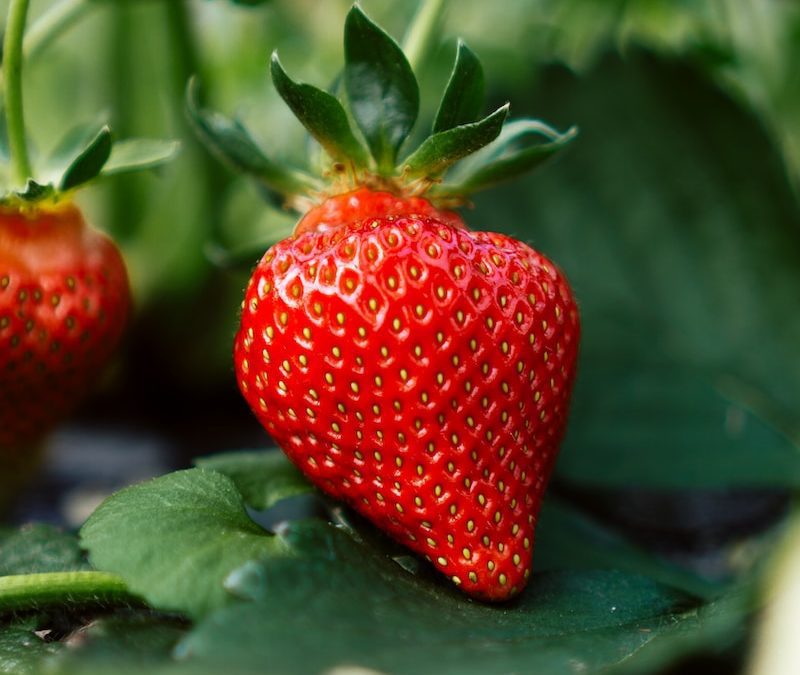
Growing strawberries is one of the most satisfying things you can do in the garden. They don’t need loads of space, they crop quickly, and home-grown strawberries taste far better than anything from the supermarket. With the right soil, watering, and simple care, you can enjoy bowl after bowl of ripe berries every summer.
If you want to build really healthy soil before planting strawberries, the Indoor Vegetable Garden Soil – A Comprehensive Guide is a handy companion, especially for understanding drainage and organic matter.
Contents
- 0.1 Choosing the Best Strawberry Plants
- 0.2 Preparing Soil and Containers for Strawberries
- 0.3 How to Plant Strawberries for a Strong Start
- 0.4 Watering and Feeding Strawberries
- 0.5 Protecting Strawberries from Pests and Diseases
- 0.6 How to Grow Strawberries from Runners
- 0.7 Harvesting and Using Home-Grown Strawberries
- 0.8 FAQs About How to Grow Strawberries
- 0.9 Final Thoughts on How to Grow Strawberries
- 0.10 Related Articles
- 1 Learn How to Grow Strawberries Indoors
Choosing the Best Strawberry Plants
A good strawberry harvest starts with choosing the right plants. You’ll usually see three main types when you’re learning how to grow strawberries:
June-bearing strawberries – Produce one heavy crop in early summer. Great if you want a big flush of berries for jam or freezing.
Ever-bearing strawberries – Give two to three smaller crops from early summer into autumn. Perfect for a steady trickle of fruit.
Day-neutral strawberries – Can flower and fruit over a long period as long as temperatures are right. Ideal for containers and regular picking.
When buying strawberry plants, look for firm crowns, healthy green leaves, and no signs of mould or rot. Plug plants and bare-root runners both work well – just plant them promptly so they can establish before cropping.
Preparing Soil and Containers for Strawberries
Strawberries love well-draining, slightly acidic soil that stays moist but never waterlogged. To prepare your bed, raised planter, or containers:
Loosen the soil to a spade’s depth and remove large stones and weeds.
Mix in plenty of garden compost or well-rotted manure to improve structure.
Aim for a soil pH between 5.5 and 6.5 if you can test it, but don’t stress if you can’t – most reasonably fertile garden soils are fine.
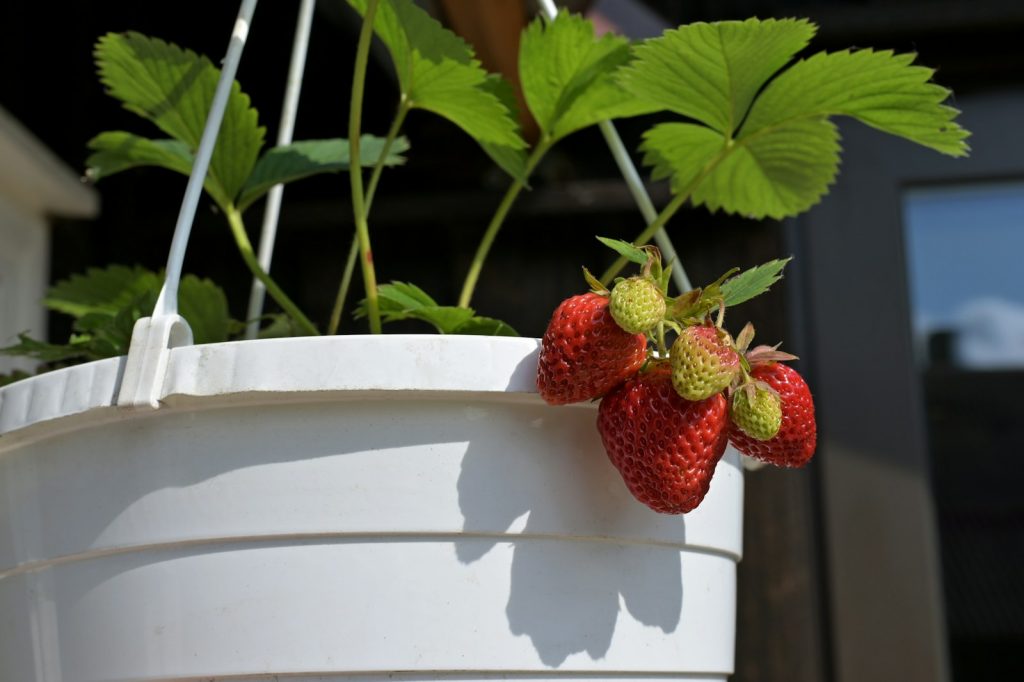
If you’re learning how to grow strawberries in small spaces, containers are ideal. Choose wide, shallow pots, window boxes, or special strawberry planters with pockets around the sides.
Flexible strawberry grow bags with side pockets make it easy to grow strawberries on balconies, patios, or against sunny walls.
Make sure every container has drainage holes and sits on pot feet or bricks so excess water can escape.
How to Plant Strawberries for a Strong Start
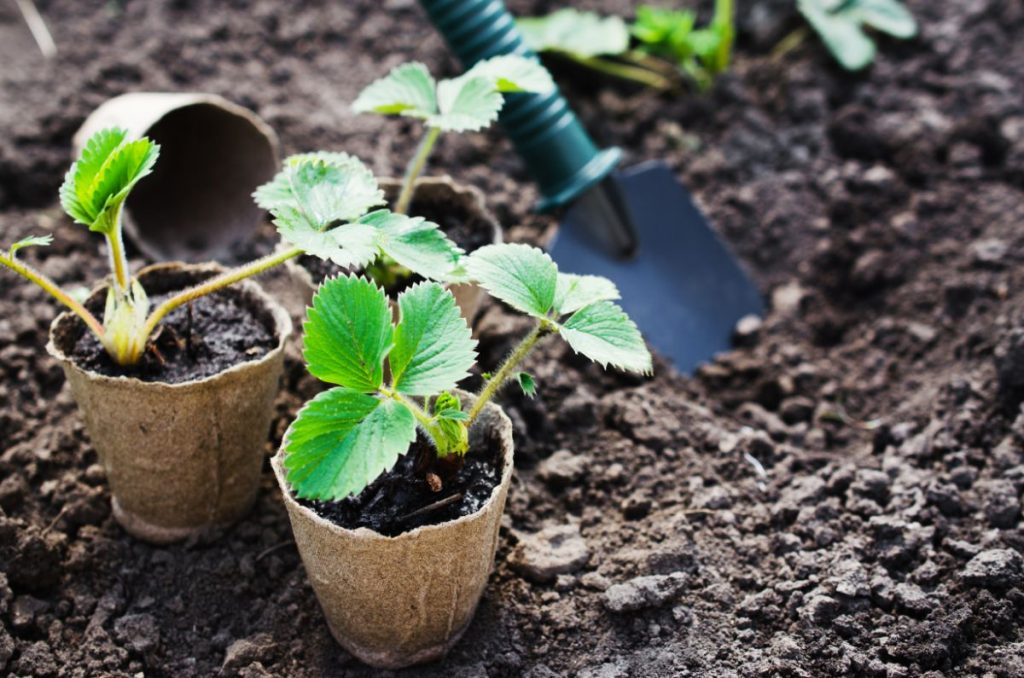
Planting depth is crucial when you grow strawberries. If the crown sits too deep, it can rot; if it’s too high, roots dry out.
- Dig a hole wide enough to spread the roots out gently.
- Position the plant so the crown (where leaves meet roots) is exactly at soil level.
- Backfill and firm the soil around the roots so there are no air pockets.
- Water well, letting water soak right down to the root zone.
Space plants about 30–40 cm apart in rows or clusters. In containers, give each plant enough room to spread slightly without being crowded – this helps air flow and reduces fungal problems later.
Watering and Feeding Strawberries
Once your strawberries are planted, consistent watering is one of the most important parts of learning how to grow strawberries successfully.
Water at the base of the plant, keeping leaves and fruit as dry as possible.
Keep soil evenly moist, especially while plants are flowering and fruit are swelling.
In containers, check moisture more often as pots dry out faster than beds.
Strawberries are fairly hungry plants. Feed them with a balanced fertiliser in early spring, then switch to a high-potassium feed (similar to tomato food) as flowers appear to support heavy cropping.
A gentle organic fruit and berry fertiliser is ideal for feeding strawberries in both garden beds and containers without risking fertiliser burn.
Mulching around plants with straw, wood chips, or clean dried grass clippings helps conserve moisture and keeps ripening fruit off damp soil.
Protecting Strawberries from Pests and Diseases
When you grow strawberries, you’re not the only one who loves them. Birds, slugs, and fungal diseases can all take a share if you’re not prepared.
Birds: Drape soft netting over frames or hoops so birds can’t reach the fruit. Make sure the net is taut so they don’t get tangled.
Slugs and snails: Use copper tape around containers, hand-pick at dusk, or set simple traps with beer or grapefruit skins.
Grey mould (Botrytis): Avoid overhead watering, space plants well, and remove any mouldy fruit quickly.
According to RHS advice on strawberries, good air circulation, clean straw or mulch under the fruit, and careful watering all significantly reduce common fungal problems when you’re growing strawberries.
Regularly remove yellowing leaves and spent flower stalks to keep plants tidy and healthy.
How to Grow Strawberries from Runners
Once your strawberry plants are established, they’ll send out runners – long stems with baby plants on the end. These runners are one of the easiest ways to grow new strawberries for free.
- Choose one or two healthy runners per plant and peg the baby plants down into small pots of compost placed beside the mother plant.
- Keep the compost moist while roots develop.
- After a few weeks, gently tug the new plant – if it resists, it has rooted.
- Cut the runner and move the new strawberry plant to its own spot.
It’s usually best to replace your main strawberry bed every three or four years with young plants from runners, as older plants can become less productive.
Harvesting and Using Home-Grown Strawberries
When you’ve learned how to grow strawberries properly, harvest time is the fun part. Berries are ready when they’re fully coloured, glossy, and slightly soft to the touch.
Pick strawberries by pinching the stem above the fruit to avoid bruising.
Harvest every couple of days in peak season so overripe fruit doesn’t attract pests.
Eat them fresh, freeze them for smoothies, or turn big harvests into jam, coulis, or desserts.
Strawberries are best picked in the cool of the morning and eaten the same day – one of the best rewards of growing your own.
FAQs About How to Grow Strawberries
1. How long do strawberries take to fruit after planting?
If you plant young strawberry plants in spring, you can often pick a small crop the same summer. They usually reach full cropping potential in their second and third years.
2. Can I grow strawberries in pots only?
Yes. Many people grow strawberries entirely in containers, grow bags, or hanging baskets. Just use a rich, free-draining potting mix and water more frequently than you would in garden beds.
3. How much sun do strawberries need?
Strawberries grow best in full sun, ideally six to eight hours of direct light each day. They will produce in light shade, but yields and flavour are usually reduced.
4. Should I remove the first flowers?
For new plants, many gardeners pinch off the first few flowers so the plant puts more energy into root and leaf growth. This can lead to better crops later in the season and in following years.
5. How long do strawberry plants last?
With good care, strawberry plants can live for several years, but yields often drop after three or four seasons. That’s why it’s useful to root runners and refresh your patch regularly.
Final Thoughts on How to Grow Strawberries
Learning how to grow strawberries is a brilliant introduction to growing your own fruit. With a sunny spot, decent soil or compost, and regular watering, you’ll be rewarded with fragrant, juicy berries that taste far better than shop-bought punnets.
Start with a few reliable varieties, plant them at the right depth, and protect them from birds and slugs. As you get used to their growth cycle, you can experiment with different types, train runners into fresh plants, and even expand into containers or hanging baskets. Before long, picking a handful of warm, ripe strawberries will feel like one of the best parts of your gardening year.
Related Articles
GROW SWEET STRAWBERRIES ALL YEAR ROUND
Learn How to Grow Strawberries Indoors
Once you’ve mastered how to grow strawberries outdoors, you can enjoy fresh berries for even longer by bringing them inside. The Grow Strawberries Indoors guide shows you how to choose varieties, set up containers, and use lights so you can keep picking fruit well beyond the usual summer season.