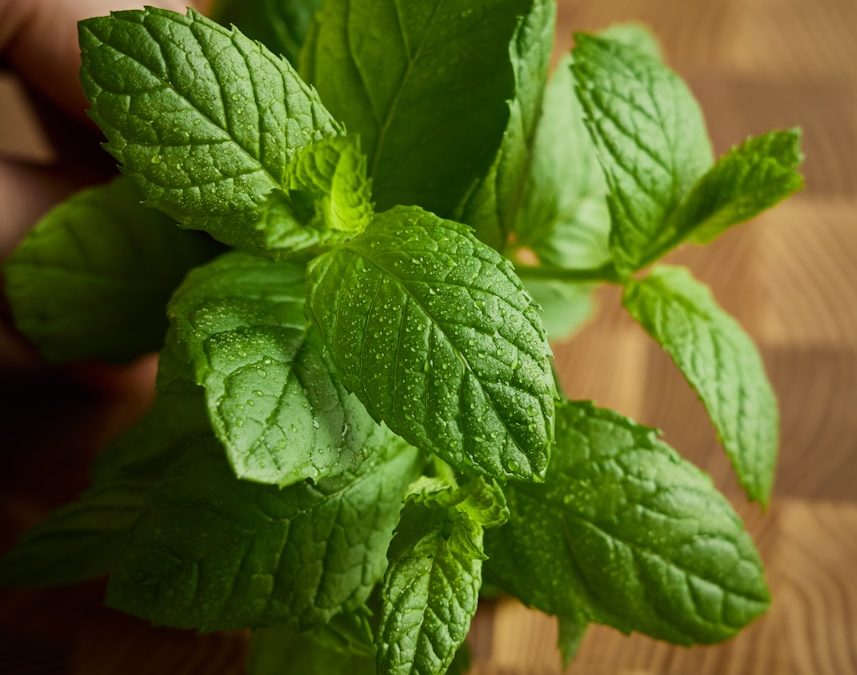
Mint is one of the easiest herbs to grow, but it can quickly turn leggy, bitter, or out of control if it’s left to do its own thing. With a bit of planning you can keep it compact, leafy and packed with flavour all year round.
If you’d like an easy, mixed-herb setup alongside your mint, the Low Maintenance Indoor Plants and Miniature Herb Garden in Your Kitchen guides on InsideGardenLife pair nicely with this tutorial.
Contents
- 0.1 Mint growing basics at a glance
- 0.2 Choosing the right mint variety
- 0.3 Soil, pots and light
- 0.4 Planting mint: seeds, cuttings or shop-bought pots
- 0.5 Watering and feeding
- 0.6 Pruning and harvesting for bushy mint
- 0.7 Common mint problems and how to fix them
- 0.8 FAQs about growing mint
- 0.9 Related Articles
- 1 Learn How to Grow Strawberries for Sweet Indoor Harvests
Mint growing basics at a glance
Light: Bright, indirect sun; morning sun and afternoon shade are ideal.
Soil: Moist but well-draining compost, rich in organic matter.
Watering: Keep evenly damp, never bone dry for long.
Feeding: Light liquid feed every 3–4 weeks in the growing season.
Hardiness: Most mints are hardy perennials – they die back and regrow.
Best containers: Deep pots with drainage holes, or a bottomless bucket sunk in the ground to stop roots spreading.
Choosing the right mint variety
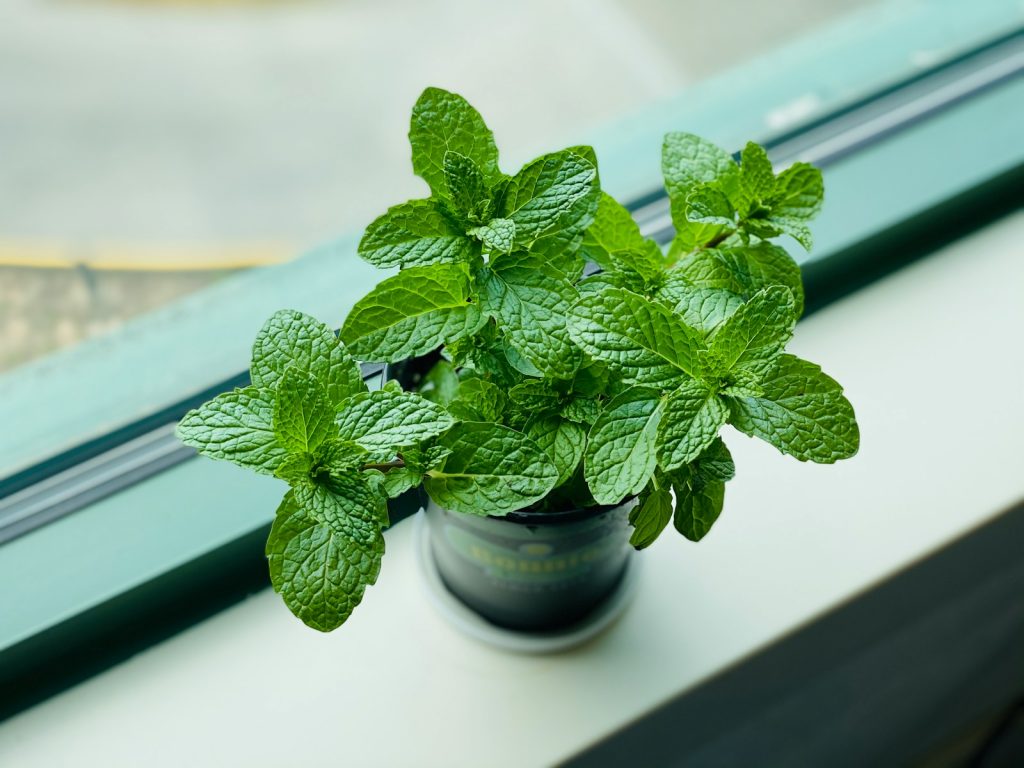
There are dozens of mint types and they all behave slightly differently.
Spearmint (Mentha spicata): Classic flavour for teas and savoury dishes.
Peppermint (Mentha × piperita): Stronger, cooler taste – great for desserts.
Apple mint / pineapple mint: Mild, fruity mints that look great in containers.
Chocolate mint, Moroccan mint, ginger mint: Fun options if you love flavoured teas.
For pots and windowsills, look for compact or patio mints that don’t spread quite as aggressively.
For more detailed guidance on mint varieties and care, check out this expert advice on growing mint from a trusted horticultural organisation.
Soil, pots and light
Best pot and compost
Mint loves moisture but hates sitting in a bog. Aim for:
A pot at least 20–25 cm wide with several drainage holes.
Multipurpose or peat-free compost mixed with a bit of grit for drainage.
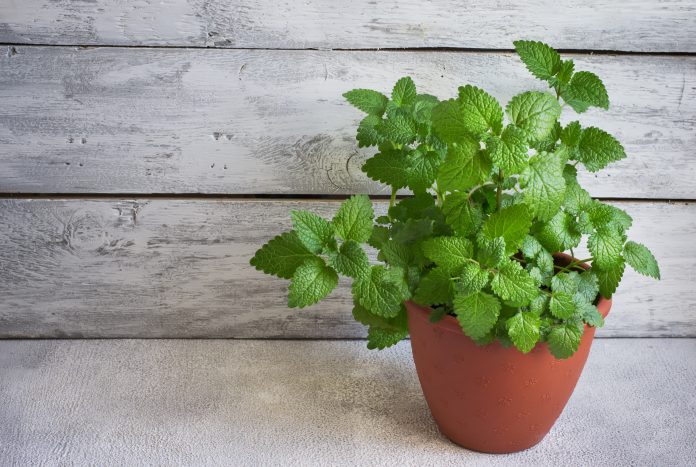
A sturdy plastic or glazed pot with saucer and drainage holes works well indoors because it holds moisture but doesn’t leak on shelves or windowsills.
Light requirements
Outdoors: mint is happiest in full morning sun and light afternoon shade.
Indoors: place near a bright east- or south-facing window, but protect from harsh midday sun with a thin curtain if leaves start to scorch.
If your home is quite dark, a small clip-on LED grow light above the plant can keep stems compact and leafy.
Planting mint: seeds, cuttings or shop-bought pots
From shop plants
This is the quickest option.
- Choose a healthy supermarket or garden-centre mint with fresh, green growth.
- Gently tease the root ball apart – they’re often crowded.
- Re-pot into your prepared container, leaving 2–3 cm at the top for watering.
- Water well and let excess drain away.
From cuttings
If a friend already grows mint:
- Snip a 10–15 cm stem just below a leaf node.
- Strip the lower leaves and stand the stem in a glass of water.
- Roots usually appear in 5–10 days – then pot it up like a normal plant.
From seed
Mint seed takes longer and can be variable, but it works:
Sow thinly on moist compost, barely cover, and keep warm and bright.
Prick out the strongest seedlings into small pots, then up-pot as they grow.
Watering and feeding
Mint’s biggest enemies are bone-dry compost and waterlogged roots.
Check the soil with your finger; when the top couple of centimetres feel dry, water thoroughly until a little runs from the drainage holes.
Empty saucers after 10–15 minutes so roots don’t sit in water.
In hot weather or small pots, you may need to water every day; in cooler seasons, once or twice a week may be enough.
Feed with a half-strength liquid herb or tomato fertiliser every 3–4 weeks from spring to late summer to keep growth lush without turning the flavour harsh.
Pruning and harvesting for bushy mint
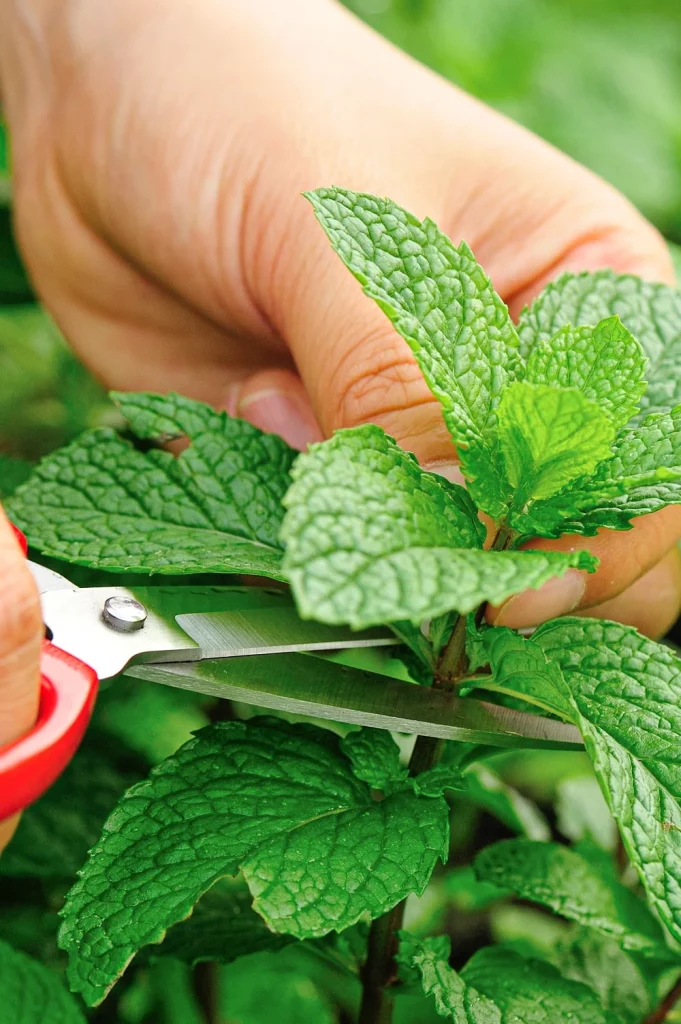
Regular cutting is the secret to mint that stays bushy instead of tall and straggly.
Begin harvesting once stems are around 15–20 cm tall.
Always cut just above a pair of leaves – two new shoots will grow from that point.
Try not to remove more than one-third of the plant at a time so it can recover.
If stems get woody or floppy, cut them back hard in early spring; fresh growth will soon appear.
For drying, harvest whole stems just before flowering when the flavour is strongest. Tie in small bundles and hang in a warm, airy place out of direct sun.
Common mint problems and how to fix them
Leggy, pale mint
Usually not enough light. Move to a brighter spot or add a grow light, and cut stems back to encourage bushier growth.
Leaves yellowing from the bottom
Often a sign of soggy compost. Check drainage holes, let the top layer dry slightly between waterings, and repot into fresher compost if needed.
Rusty orange spots on leaves (mint rust)
Remove affected stems and bin them (not the compost heap). If it keeps returning, replace the plant with a fresh, disease-free one.
Mint taking over beds or large pots
Grow mint in its own container or sink a bottomless bucket or pot into the ground to contain the roots.
FAQs about growing mint
1. Is mint better in the ground or in pots?
Both work well. Pots are usually easier because they stop mint spreading everywhere and let you control soil and watering more precisely.
2. Can I grow mint indoors all year round?
Yes. With bright light and even moisture, mint can be grown indoors year-round. Growth will slow in winter – that’s normal.
3. How often should I replace a mint plant?
A well-cared-for plant can last for years, but many gardeners renew mint every 2–3 years by taking cuttings or dividing the root ball to keep it vigorous.
4. Is mint safe for pets?
Small amounts are usually fine, but some pets have sensitive stomachs. Check with a vet if you’re unsure and keep plants out of reach of very nibble-prone animals.
5. Can I grow different mints in one pot?
They’ll grow, but flavours often cross and stronger varieties can crowd out weaker ones. For the best taste and easiest care, give each mint its own container.
Related Articles
KEEP YOUR EDIBLE GARDEN GROWING
Learn How to Grow Strawberries for Sweet Indoor Harvests
Once mint is thriving, it’s fun to add another easy crop. The How to Grow Strawberries – The Ultimate Guide article on InsideGardenLife walks through choosing varieties, planting in pots or hanging baskets, and getting a steady supply of berries in small spaces. It’s a great next step if you want more fresh produce from the same balcony, windowsill, or patio.