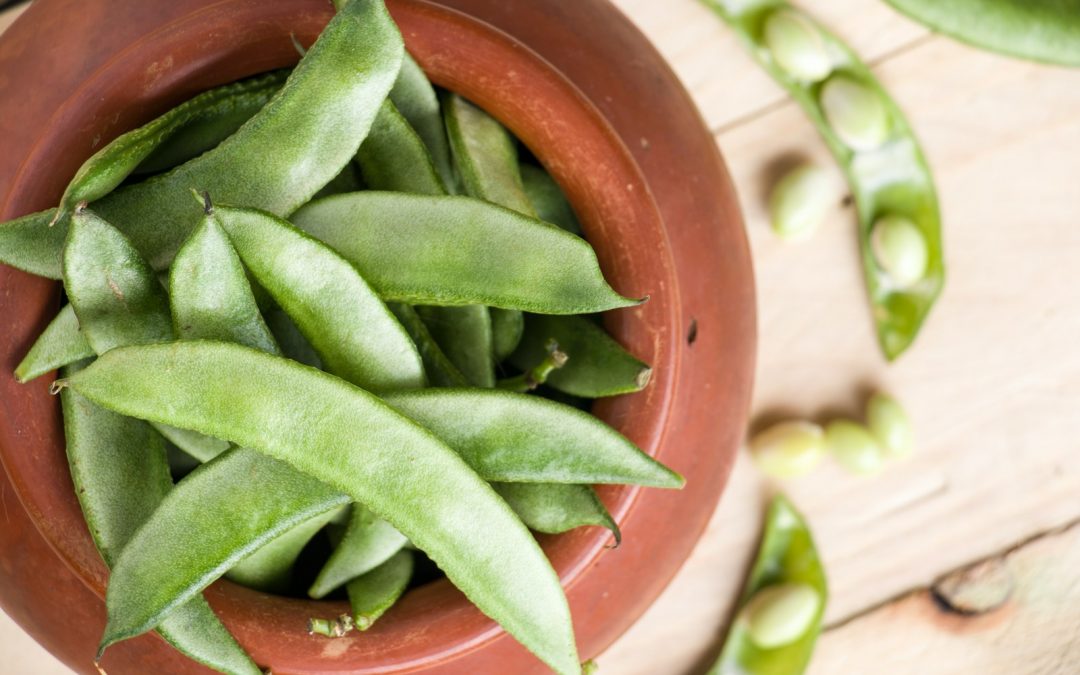
If you want to grow indoor green beans, the biggest factor is not the pot — it’s light. Green beans can grow indoors, but they need a very bright setup, a support if they climb, and a watering routine that keeps the compost evenly moist without turning soggy. RHS notes that French beans grow best in a warm, sunny spot, and dwarf types are especially useful when space is tight.
Contents
- 0.1 Are green beans worth growing indoors?
- 0.2 Best light for growing indoor green beans
- 0.3 Dwarf beans vs climbing beans indoors
- 0.4 Best pot and soil for indoor green beans
- 0.5 How to grow indoor green beans from seed
- 0.6 Do indoor green beans need support?
- 0.7 How to water indoor green beans properly
- 0.8 Why indoor green beans flower but do not pod
- 0.9 Feeding indoor green beans
- 0.10 Common indoor green bean problems
- 0.11 Harvesting indoor green beans
- 0.12 FAQs About How to Grow Indoor Green Beans
- 0.13 Final Thoughts on How to Grow Indoor Green Beans
- 0.14 Related Articles
- 1 Build a Stronger Setup for Better Bean Harvests
Quick answer: grow indoor green beans
Choose dwarf French beans if you want the easiest indoor option.
Give them the brightest light possible or use a grow light.
Use a deep pot with drainage holes and airy compost.
Keep compost evenly moist, especially once flowers and pods appear.
Harvest often while pods are young to keep the plant producing.
Do this first: Pick whether you’re growing dwarf beans or climbing beans. Indoors, dwarf beans are usually much easier to manage.
If you want another edible article that fits the same indoor veg cluster, How to Grow Indoor Green Beans pairs naturally with Growing Bell Peppers Indoors because both need stronger light than most people expect.
Are green beans worth growing indoors?
Yes, but only with realistic expectations. Indoor green beans are best for:
small, fresh harvests
compact indoor vegetable setups
bright windowsills or grow-light shelves
They are less ideal if you want:
big outdoor-style yields
a low-light crop
a true “set it and forget it” plant
The easiest indoor route is usually dwarf French beans, because climbing beans need stronger support and more space. RHS says dwarf French beans take up little space and can start cropping in around eight to ten weeks.
Best light for growing indoor green beans
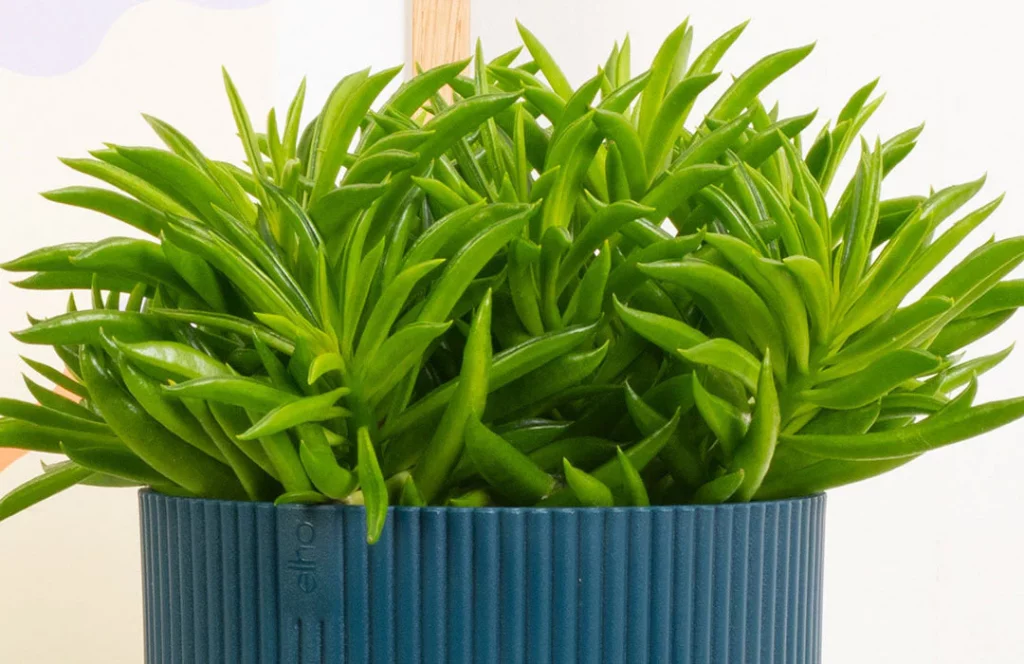
Green beans are not low-light houseplants. They need a lot of usable light to:
stay upright
flower properly
set pods
keep producing
If the light is too weak, you’ll often see:
tall, floppy growth
flowers dropping
very few pods
pale leaves
RHS guidance for French beans recommends a warm, sunny spot, which is exactly why indoor bean success depends so heavily on strong light.
If you want to judge your current setup properly, Best Lights for Indoor Gardening is the best supporting read because indoor beans need far more light than leafy herbs or tolerant foliage plants.
A full-spectrum grow light for indoor vegetables is usually the best upgrade if you want flowers and pods rather than just leafy growth.
Dwarf beans vs climbing beans indoors
This is where most people should simplify.
Dwarf beans
Best for:
windowsills
smaller pots
simple indoor setups
beginners
Climbing beans
Best for:
taller grow-light setups
stronger supports
more vertical room
growers who want to train plants upward
University of Minnesota notes that many bean varieties need something to climb, which is why indoor growers should decide early whether they want a compact bush bean or a supported climber.
For most readers, dwarf beans are the smarter indoor choice.
Best pot and soil for indoor green beans
Beans grow faster and cleaner when roots have room and the compost drains well.
A better setup includes:
a deep pot or planter
drainage holes
a saucer you can empty
airy compost that doesn’t stay heavy
University of Illinois Extension’s container-growing guidance recommends using the right potting mix and planting container vegetables much like you would outdoors, which is why a proper container mix works much better than dense garden soil in indoor pots.
If your indoor compost stays wet for days, Improve Indoor Plant Drainage is the best related article because soggy roots are one of the quickest ways to stall beans indoors.
A deep vegetable planter with drainage holes works well if you want to grow several bean plants together indoors.
How to grow indoor green beans from seed
Green beans are usually best sown directly where they will grow.
Simple method
- Fill your planter or pot with lightly moist compost.
- Sow seeds at the depth recommended on the packet.
- Water gently so you don’t disturb them.
- Keep the compost evenly moist while they establish.
- Move seedlings into the brightest light you have immediately.
If you are growing climbing beans, add support early rather than trying to force it in later.
If you enjoy seed-grown indoor crops, How to Grow Beetroots Indoors is another useful related read because both crops do better when you give them enough root room from the start.
Do indoor green beans need support?
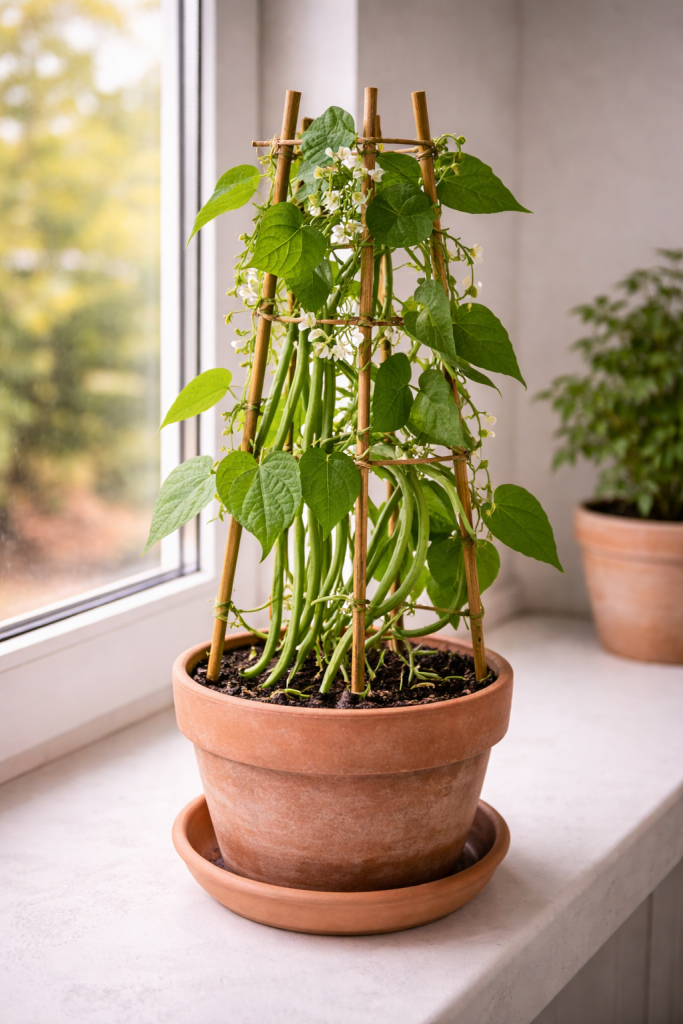
Dwarf beans usually need little or no support. Climbing beans do.
University of Minnesota notes that many beans need a trellis or cage to climb.
If you grow climbing beans indoors, use:
a slim trellis
a bamboo teepee
a strong vertical string support
A small indoor bean trellis or bamboo support set helps climbing varieties stay tidy and keeps pods cleaner and easier to harvest.
How to water indoor green beans properly
Beans like steadier moisture than Mediterranean herbs, especially once they start flowering and podding.
A simple watering rhythm:
water thoroughly
let excess drain away
water again once the top starts drying, not while the pot still feels heavy
Too wet:
yellowing leaves
weak roots
slower growth
higher mould risk
Too dry:
flower drop
fewer pods
smaller harvests
If you want a simple system that keeps edible plants easier to manage, Indoor Plant Maintenance Routine works well here because beans indoors respond better to regular checks than random watering.
Why indoor green beans flower but do not pod
This is one of the most common frustrations.
Usually it comes down to:
weak light
inconsistent watering
poor pollination movement indoors
plant stress from cramped roots
Beans are largely self-pollinating, but indoors it still helps to:
gently shake the plant
brush flowers lightly by hand
keep the plant in steady conditions
Feeding indoor green beans
Beans do not need constant heavy feeding, especially early on.
A simple approach:
let seedlings establish first
feed lightly once growth is strong
keep feeding sensible during flowering and pod formation
avoid strong feed in dim light
A diluted vegetable liquid feed for flowering and podding plants is a better fit than a general high-strength houseplant feed once the plant is established.
If you want a simple schedule so feeding does not become guesswork, How Often to Fertilize Indoor Plants is the best supporting article to keep things under control.
Common indoor green bean problems
Plants are tall and floppy
Usually not enough light.
Flowers drop off
Most often weak light, inconsistent watering, or stress from the pot drying too hard.
Very few pods form
This usually means the setup is not bright enough, or the plant is too stressed to keep flowering well.
Leaves yellow at the base
Often wet compost, poor drainage, or a cramped container.
A good general reminder here is that RHS French bean guidance recommends a warm, sunny position and regular picking, which is why indoor beans usually perform best in a brighter, warmer setup with steady care.
Harvesting indoor green beans
Pick pods while they are:
young
firm
smooth
not over-mature
RHS says regular picking helps French beans keep cropping.
The more often you pick, the more likely the plant is to keep producing.
If you like indoor edible crops that reward regular harvesting, Growing Bell Peppers Indoors is a useful related article because it fits the same “strong setup, small but satisfying harvests” cluster.
FAQs About How to Grow Indoor Green Beans
Can green beans really grow indoors?
Yes, but they need much stronger light than many indoor crops.
What are the best beans to grow indoors?
Dwarf French beans are usually the easiest.
Do indoor green beans need pollination?
They are mostly self-pollinating, but a gentle shake or hand movement can help flowers set indoors.
How long do indoor green beans take to harvest?
Dwarf French beans can start cropping in around eight to ten weeks in the right conditions.
Final Thoughts on How to Grow Indoor Green Beans
If you want to grow indoor green beans successfully, keep the setup bright, warm, and simple. Choose dwarf beans if you want the easiest option, keep the compost evenly moist without making it soggy, and harvest young pods often. With the right light and a realistic setup, indoor beans can absolutely be worth growing.
Related Articles
Make indoor vegetable growing feel more realistic
Build a Stronger Setup for Better Bean Harvests
Indoor green beans do best when the basics are right from the start: strong light, the right pot, steady moisture, and regular picking. Once those pieces are in place, beans become much easier to grow in small spaces.