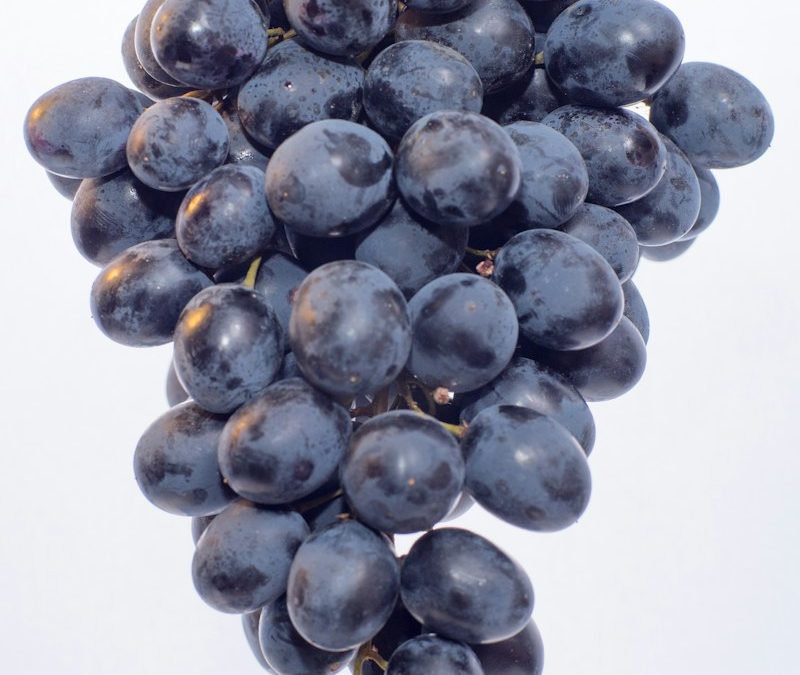
Fresh, sun-warmed grapes straight from your own vine feel like something only big gardens can pull off – but with the right variety, good support, and a bit of yearly pruning, grapes can work in surprisingly small spaces too. You can even grow them in large containers along a sunny wall or fence.
If you love the idea of harvesting more unusual fruits at home, you might also enjoy Growing Exotic Fruits and Vegetables Indoors, which pairs nicely with this guide once your grapes are in place.
Contents
- 0.1 Choosing the Right Grape Variety
- 0.2 Where to Grow Grapes (Beds and Containers)
- 0.3 Planting Grapes Step by Step
- 0.4 Watering and Mulching Grapes
- 0.5 Feeding Grapes for Healthy Growth and Fruit
- 0.6 Training and Supporting Grape Vines
- 0.7 Pruning Grapes (Made Less Scary)
- 0.8 Common Grape Problems and How to Handle Them
- 0.9 Harvesting and Enjoying Home-Grown Grapes
- 0.10 FAQs About Growing Grapes
- 0.11 Final Thoughts on Growing Grapes
- 0.12 Related Articles
- 1 Discover the Best Climbing Plants for Every Type of Garden
Choosing the Right Grape Variety
Your success with grapes starts with choosing a variety that suits your space and climate.
Dessert grapes – sweet, juicy, perfect for eating fresh.
Wine grapes – often smaller and more seedy but packed with flavour.
Seedless types – great if you want easy snacking straight off the vine.
Things to think about:
Climate – some varieties are better for cooler regions, others need a long, hot summer.
Disease resistance – look for vines described as resistant to mildew and common grape diseases.
Vigour – very vigorous vines can overwhelm tiny spaces, so choose compact or moderate growers for small gardens and containers.
For more detail on matching varieties to your local climate, it’s worth checking an expert grape variety guide from a trusted horticultural organisation before you buy.
Where to Grow Grapes (Beds and Containers)
Grapes love warmth and sun. A slightly sheltered, sunny spot makes a huge difference to ripening and disease resistance.
Best positions:
A south- or south-west-facing wall or fence is ideal.
A sunny pergola, arch, or sturdy trellis in a warm part of the garden.
Large containers on a bright patio or balcony, trained up a frame or rail.
Growing grapes in containers:
Choose a large pot (at least 40–50 cm wide) with good drainage holes.
Use a loam-based, peat-free compost mixed with grit or perlite for drainage.
Add a strong support (trellis, wires, or obelisk) at planting time so you’re not disturbing roots later.
Planting Grapes Step by Step
Whether in the ground or in a pot, the basic planting method is similar.
- Soak the rootball in a bucket of water for 10–15 minutes.
- Dig a hole about twice as wide as the rootball and the same depth.
- Mix your soil or compost with some well-rotted manure or garden compost.
- Set the plant so the top of the rootball is level with the soil surface.
- Backfill, firm gently, and water thoroughly.
- Add a layer of mulch (compost, bark, or straw) around – but not touching – the stem.
If planting against a wall or fence, position the vine 30–45 cm away from the base of the structure so roots have room and don’t sit in very dry soil.
Watering and Mulching Grapes
Grapes are fairly drought-tolerant once established, but young vines and container-grown plants need more regular attention.
Newly planted vines – water regularly in the first year so the soil stays evenly moist but not waterlogged.
Established vines in the ground – usually only need extra water in very dry spells, especially while fruit is swelling.
Container-grown grapes – check often in warm weather; water when the top 3–5 cm of compost feels dry.
Mulching around the base with compost or well-rotted manure helps:
Keep moisture in.
Improve soil structure.
Suppress weeds around the root zone.
Avoid soaking leaves in the evening – damp foliage overnight encourages fungal diseases.
Feeding Grapes for Healthy Growth and Fruit
Grapes aren’t the hungriest plants, but they do benefit from a modest, balanced feeding routine.
In early spring, apply a balanced granular fertiliser around the root zone.
In containers, top-dress each year with fresh compost plus a small amount of slow-release fertiliser.
- Avoid heavy, high-nitrogen feeding all season, or you’ll get masses of leaves and fewer fruit.
A balanced fruit tree fertiliser is ideal for supporting steady growth and fruiting without overdoing it.
Training and Supporting Grape Vines
Grapes naturally want to climb and scramble, so giving them a clear structure makes life easier and improves fruit quality. Common systems include:
Guyot training – one or two long arms (cordons) along horizontal wires with fruiting side shoots.
Cordon training – a single main stem with short sides.
Arbour or pergola training – vines trained overhead for shade and hanging bunches.
Basic principles whichever system you pick:
Tie new shoots loosely to wires or a trellis as they grow.
Keep the framework simple so light and air reach developing bunches.
Remove weak, awkward, or inward-growing shoots.
Pruning Grapes (Made Less Scary)
Pruning grapes has a reputation for being complicated, but you don’t need to memorise everything at once. The main goals are:
Maintain a strong, simple framework.
Encourage new fruiting wood each year.
Prevent a tangle of leafy, unproductive growth.
General tips:
Most pruning is done in late winter, when the vine is dormant – but before sap rises heavily.
Summer pruning involves tipping back long side shoots and removing some excess growth to let light in.
Always use sharp, clean pruners to make neat cuts.
A good pair of bypass pruning shears makes grape pruning cleaner and much easier on your hands.
Common Grape Problems and How to Handle Them
Even well-cared-for grapes can run into issues. The main ones are usually:
Powdery mildew – white, powdery coating on leaves and fruit.
Improve airflow, avoid overhead watering, and prune crowded areas.
Downy mildew – yellow patches on leaves that turn brown, often in wet weather.
Clear fallen leaves, prune for airflow, and avoid very damp, shaded spots.
Birds – can strip almost-ripe bunches in days.
Use netting or fruit cages over vines when fruit starts to colour.
Over-enthusiastic growth – masses of leaves, not many grapes.
Check feeding (too much nitrogen) and make sure you’re pruning correctly each winter.
Harvesting and Enjoying Home-Grown Grapes
Unlike some fruits, grapes don’t really ripen off the vine – so timing matters.
You’ll know they’re ready when:
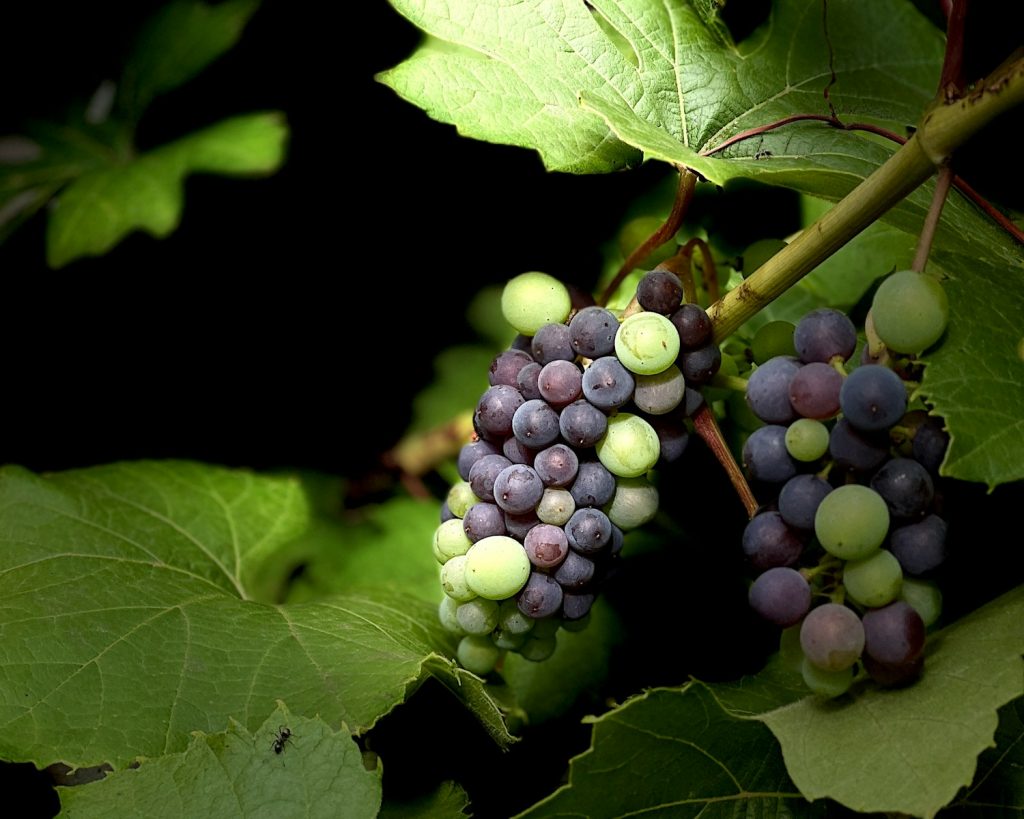
Colour has changed fully (green to golden, or deep red/purple depending on variety).
Berries taste sweet and flavourful, not sharp.
Seeds (if present) have turned from green to brown.
Use clean scissors or pruners to cut whole bunches rather than pulling at individual grapes. Handle them gently and eat as fresh as possible, or chill for later.
FAQs About Growing Grapes
1. Can I grow grapes in a small garden or patio?
Yes. With a compact variety, a strong trellis, and regular pruning, grapes can fit into surprisingly small spaces – even in large containers along a wall or balcony rail.
2. How long do grapes take to fruit?
Most young vines take 2–3 years to produce their first decent harvest. You may see small bunches earlier, but yields usually increase as the plant matures.
3. Do I need more than one vine for pollination?
Most grapes are self-fertile, so a single vine can produce fruit. Multiple vines can still be useful if you want a longer harvest window or different flavours.
4. Why are my grapes sour even when they look ripe?
They may need more time on the vine, or the variety might naturally have higher acidity. Poor summer weather or too much shade can also reduce sweetness.
5. Should I thin the bunches?
Thinning can improve berry size and reduce disease. Removing some small, crowded grapes early in the season helps air circulate and lets remaining fruit swell properly.
Final Thoughts on Growing Grapes
Growing grapes is one of those projects that feels ambitious at first, but quickly becomes a simple yearly rhythm: train new shoots, prune in winter, feed lightly, and watch bunches swell in late summer sun. Whether you’re working with a small patio container or a sunny fence, the combination of lush foliage and home-grown fruit makes grapes a brilliant choice for gardeners who like a bit of structure and reward.
Start with one vine, get comfortable with the basics, and don’t stress if the first few seasons are more about learning than huge harvests. Grapes are long-lived plants – once established, they can keep cropping for many years.
Related Articles
PLAN YOUR NEXT CLIMBING SHOWSTOPPER
Discover the Best Climbing Plants for Every Type of Garden
Once you’ve got the hang of training and pruning grapes, you’ll find it much easier to manage other climbers too. Our Best Climbing Plants for Every Type of Garden guide helps you choose fragrant, flowering, and foliage climbers that can share supports, walls, or pergolas with your vines – without taking over the whole space.