
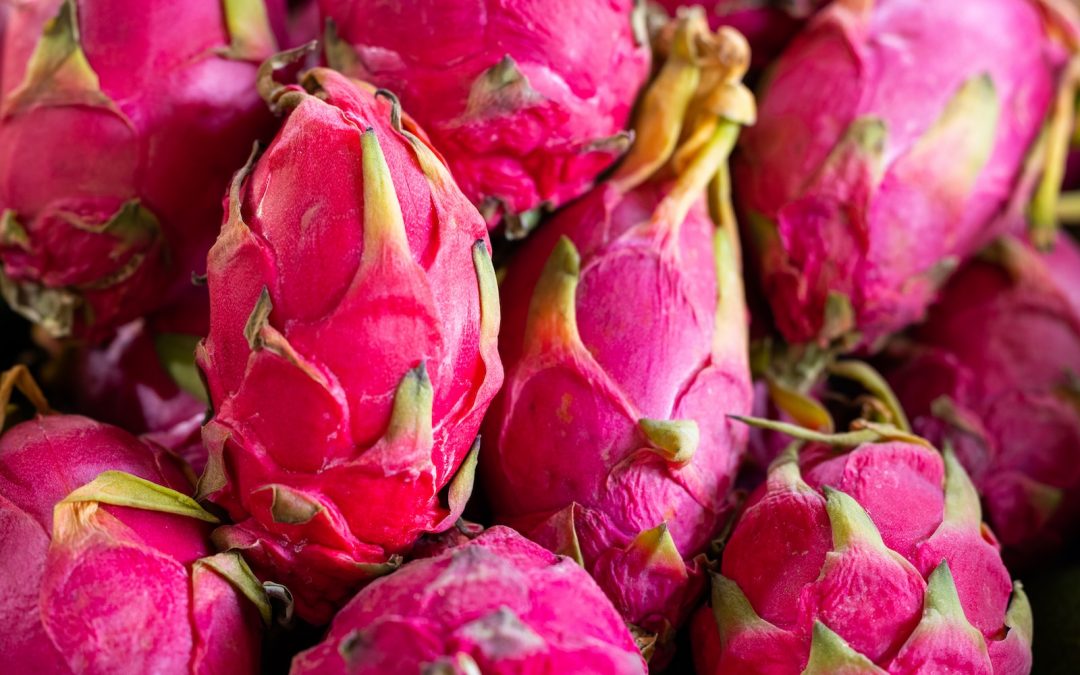
Dragon fruit looks exotic, but growing it at home is easier than most people think. With the right container, soil, support, and care routine, you can get this climbing cactus established and eventually enjoy those dramatic, colourful fruits.
For a bigger-picture look at watering, feeding, and general health, it pairs nicely with our Dragon Fruit Care guide, which focuses on keeping established plants strong over the long term.
Contents
- 0.1 Choosing the Right Dragon Fruit Plant or Cutting
- 0.2 Best Containers and Soil for Growing Dragon Fruit
- 0.3 Light and Temperature for Growing Dragon Fruit
- 0.4 Supporting and Training Dragon Fruit
- 0.5 Watering and Feeding Dragon Fruit
- 0.6 Flowering and Fruit Set: What to Expect
- 0.7 Common Problems When Growing Dragon Fruit (and Simple Fixes)
- 0.8 FAQs About How to Grow Dragon Fruit
- 0.9 Final Thoughts on How to Grow Dragon Fruit
- 0.10 Related Articles
- 1 Boost Your Indoor Garden with Mycorrhizal Fungi
Choosing the Right Dragon Fruit Plant or Cutting
You can grow dragon fruit (pitaya) from seed, but it’s much quicker and more reliable to start from a cutting or a young plant.
Best options to start with:
Named varieties – give you predictable fruit size, colour, and flavour.
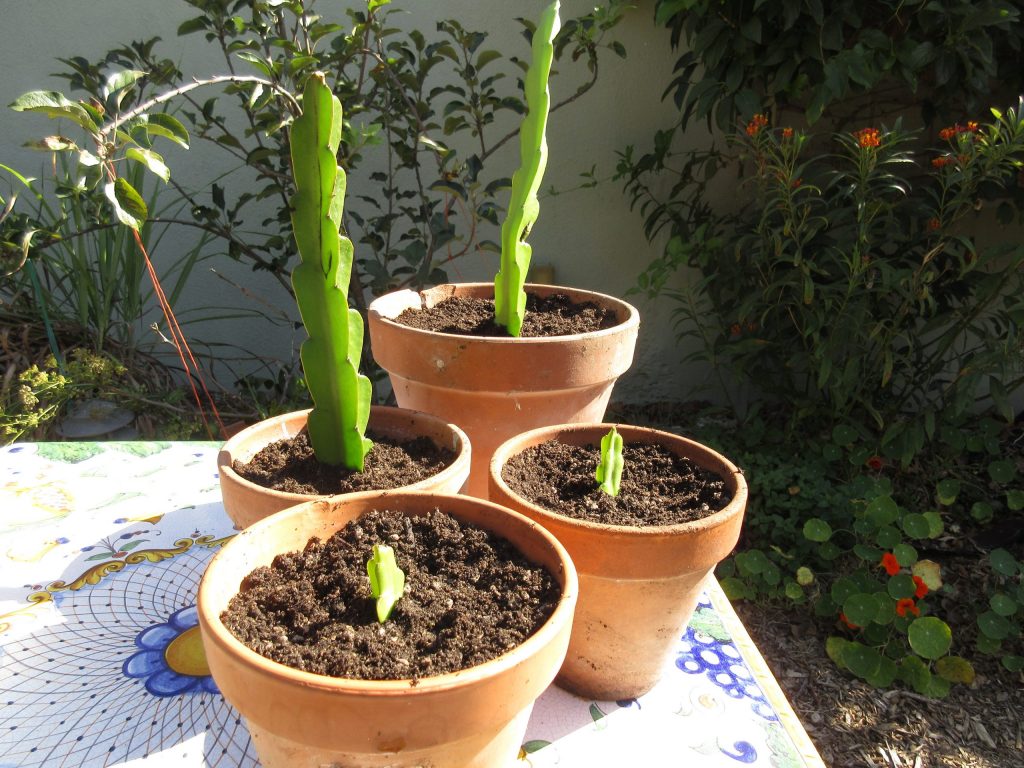
Healthy cuttings – thick, green sections of stem with no rot or dark patches.
Young potted plants – already rooted and ready to go straight into a larger container.
If you do choose cuttings:
Pick a firm, unblemished piece of stem.
Let the cut end dry and callus over for a few days in a shaded spot.
Plant the cutting into slightly moist cactus mix and keep it lightly watered until roots form.
Best Containers and Soil for Growing Dragon Fruit
Dragon fruit is a climbing cactus, so it needs both space and excellent drainage.
Containers
Start with a pot at least 35–40 cm wide with multiple drainage holes.
As the plant grows, you can move up to larger containers to give roots more room.
Heavy pots (like thick plastic or concrete-look planters) help stop tall plants from toppling.
A sturdy large planter with drainage holes suitable for cacti and succulents is ideal for long-term container growing.
Soil mix
Dragon fruit hates sitting in soggy soil. Aim for a mix that is:
light and airy
very free-draining
slightly acidic to neutral (around pH 6–7)
Good options:
Ready-made cactus and succulent potting mix, or
DIY mix: cactus compost + extra perlite or grit + a small amount of well-rotted compost.
Avoid heavy garden soil and containers with no drainage – they are one of the fastest ways to kill dragon fruit by suffocating the roots.
Light and Temperature for Growing Dragon Fruit
Light and warmth are two of the most important factors when learning how to grow dragon fruit successfully.
Light:
Outdoors in warm climates, dragon fruit thrives in full sun, once acclimatised.
Indoors or in cooler areas, aim for very bright light for several hours a day.
A south- or west-facing window, conservatory, or bright greenhouse is ideal.
If your home doesn’t get strong natural light, an adjustable full-spectrum grow light bar for sun-loving plants can stop stems from going pale and leggy.
Temperature:
Dragon fruit likes warm conditions, ideally 18–30°C.
It is not frost-hardy. If you grow it in a pot outside, bring it under cover when frost is forecast.
Sudden cold or prolonged chill can stunt growth and damage stems.
According to a university extension guide on growing dragon fruit, plants kept warm, bright, and well-ventilated show stronger growth and more reliable flowering than those struggling in cool, low-light spots.
Supporting and Training Dragon Fruit
In the wild, dragon fruit climbs trees and other structures. In a container, you’ll need to provide that support yourself.
How to set up support:
Place a strong central post, stake, or trellis into the pot before planting, so you don’t disturb roots later.
As stems grow, tie them loosely to the support using soft plant ties or old fabric strips.
Encourage stems to grow upwards first, then allow them to branch and drape near the top.
Over time, the crown at the top of the support is where you’ll see most of the flowering and fruiting, so keeping stems trained upwards is a big part of how to grow dragon fruit well in pots.
Watering and Feeding Dragon Fruit
Because dragon fruit is a cactus, it prefers a “wet then dry” cycle rather than constantly damp soil.
Watering
In warm weather, water when the top few centimetres of soil feel dry.
When you do water, soak thoroughly until you see water draining from the bottom.
In cooler months, reduce watering and let the soil dry a little more between waterings.
Never let the pot sit in a tray of water for long periods – dragon fruit roots quickly suffer if they’re waterlogged.
Feeding
Once your plant is rooted and growing:
In spring and summer, feed every 4–6 weeks with a fertiliser suitable for fruiting plants or cacti.
In autumn and winter, reduce or pause feeding as growth slows.
Liquid feeds are easy to apply with normal watering and give you better control over how much you’re giving. For deeper detail on what nutrients dragon fruit needs, see our Nutrient Requirements for Dragon Fruit guide.
Flowering and Fruit Set: What to Expect
Dragon fruit won’t fruit immediately. Understanding the timeline is a key part of learning how to grow dragon fruit without getting discouraged.
From a cutting or young plant, it can take 2–3 years to see flowers.
Many varieties bloom at night with large, dramatic flowers that may only last a short time.
Some types are self-fertile, while others need pollen from another variety to set fruit.
Helping with pollination:
On warm, still nights when flowers are open, gently use a soft brush or cotton bud to move pollen from the stamens to the stigma in the centre of the flower.
If you have more than one plant or variety, transferring pollen between them can improve fruit set.
Once pollination is successful, you’ll see the base of the flower swell and form the familiar dragon fruit over the following weeks.
Common Problems When Growing Dragon Fruit (and Simple Fixes)
Even when you follow all the steps, a few common issues can still show up.
Pale, thin stems
Usually caused by insufficient light. Move the plant to a brighter position or add a grow light.
Soft, yellowing base or roots
Often linked to overwatering or poor drainage. Improve the soil mix, check drainage holes, and let the soil dry more between waterings.
Brown or sunburnt patches on stems
Can occur if the plant was moved suddenly from shade to full sun. Introduce higher light levels gradually to avoid scorch.
No flowers after several years
May be due to low light, lack of maturity, or low nutrients. Check that the plant has had enough time to establish, has strong light, and is on a sensible feeding schedule.
If you notice more specific nutrient or growth issues, compare what you’re seeing against the details in our other dragon fruit articles to narrow down whether it’s a care, nutrition, or environment problem.
FAQs About How to Grow Dragon Fruit
1. Is it better to grow dragon fruit from seed or cuttings?
Cuttings or young plants are much better if you want fruit sooner. Seed-grown plants take longer to mature and may not match the parent fruit exactly.
2. How long does dragon fruit take to grow and fruit?
From a cutting, it often takes 2–3 years to see flowers, and several more weeks to months for fruit to develop after successful pollination.
3. Can I grow dragon fruit indoors?
Yes, if you can provide bright light (sometimes with grow lights), warm temperatures, and a strong support. Many people grow dragon fruit in large pots in conservatories or bright rooms.
4. Does dragon fruit need a big pot?
It needs a reasonably deep and wide pot to support both the root system and the weight of the climbing stems. Larger containers also dry out more slowly and are more stable.
5. Do I have to hand-pollinate dragon fruit?
Not always, but hand-pollination indoors or in still conditions often improves fruit set, especially for varieties that are less self-fertile.
Final Thoughts on How to Grow Dragon Fruit
Once you understand how to grow dragon fruit step by step – from choosing a healthy cutting and giving it the right soil and support, to managing light, watering, and feeding – the process becomes far less mysterious. It’s really about giving this climbing cactus enough space, warmth, and structure to do what it naturally wants to do.
Start with one good plant, be patient through the first couple of seasons, and pay attention to how it reacts to changes in light and watering. As your dragon fruit thickens and climbs, you’ll see just how rewarding it can be to grow such an unusual, impressive plant at home.
Related Articles
SUPERCHARGE YOUR FRUITING PLANTS’ ROOTS
Boost Your Indoor Garden with Mycorrhizal Fungi
Once you know how to grow dragon fruit, you can help it – and your other fruiting plants – establish even stronger root systems. Our Boost Your Indoor Garden with Mycorrhizal Fungi guide explains how beneficial fungi improve nutrient uptake, resilience, and long-term plant health.