If you like the idea of soothing a headache with a mint tea or calming an upset stomach with chamomile, growing healing herbs at home is a brilliant place to start. Medicinal herbs are surprisingly easy to tuck into pots, windowsills or a small garden bed, and many are useful in the kitchen as well as simple home remedies.
In this article you’ll learn which medicinal herbs are beginner-friendly, how to grow them in small spaces, and simple ways to use them safely at home. If you’re also working on the basics of watering, feeding and positioning your plants, you can read Indoor Garden Care: Keep Your Plants Thriving Indoors..
Contents
- 0.1 Choosing Healing Herbs to Grow at Home
- 0.2 Growing Medicinal Herbs in Pots and Small Spaces
- 0.3 Easy Ways to Use Healing Herbs at Home
- 0.4 Harvesting and Drying Medicinal Herbs
- 0.5 Safety Tips for Growing and Using Medicinal Herbs
- 0.6 FAQs About Healing Herbs at Home
- 0.7 Final Thoughts on Growing Healing Herbs
- 0.8 Related Articles
- 1 Easy Ways to Grow More Edible Plants Indoors
Choosing Healing Herbs to Grow at Home
You don’t need a huge list to get started. Focus on a small group of versatile herbs that are easy to grow and have well-known, gentle uses.
Good beginner options include:
Chamomile – often used as a calming tea before bed.
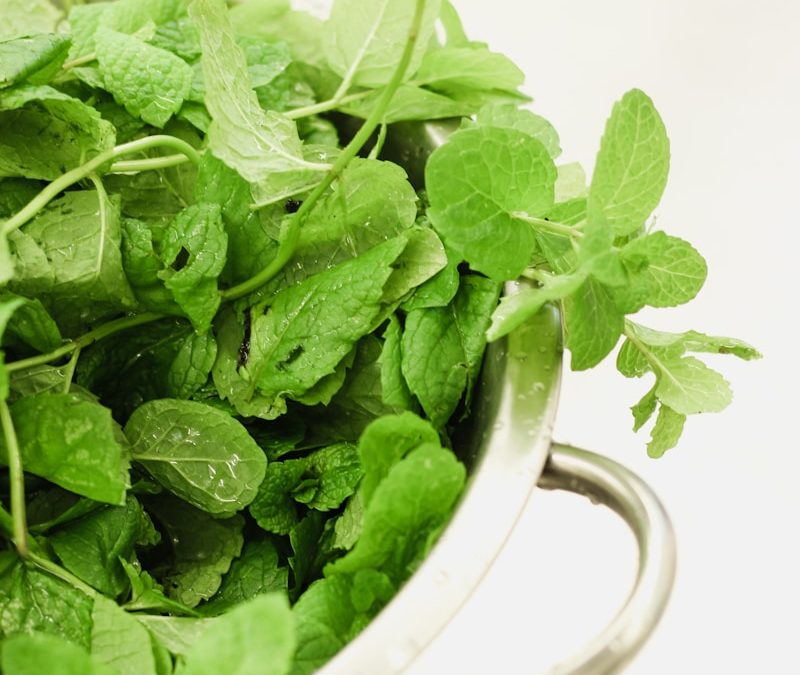
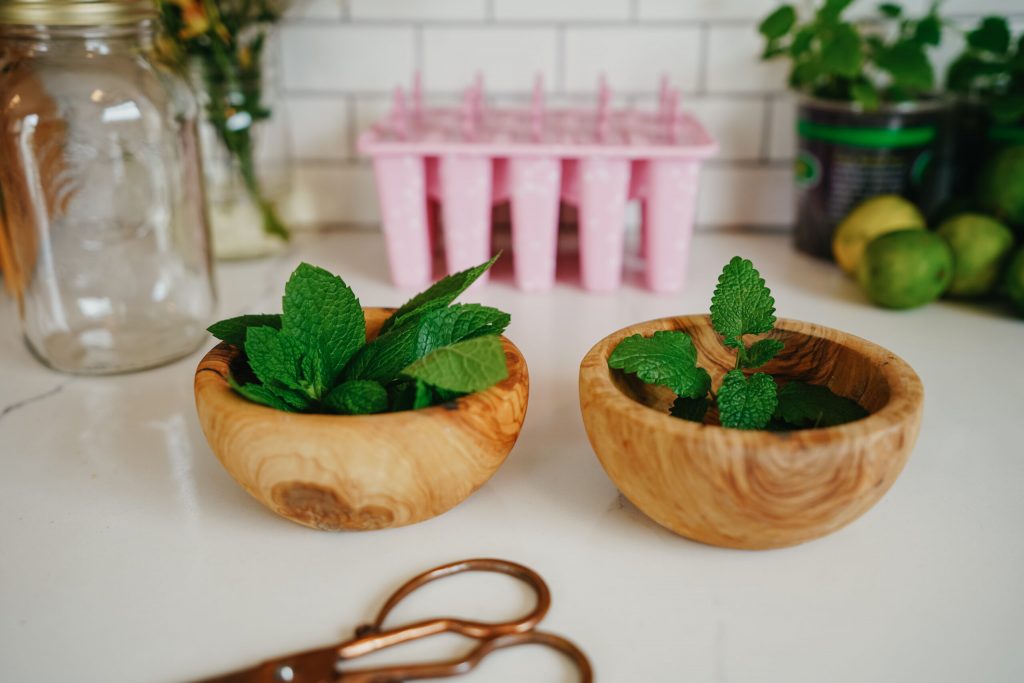
Peppermint or spearmint – refreshing teas for digestion and general comfort.
Lemon balm – a lemony, soothing herb used for relaxation.
Calendula (pot marigold) – petals used in skin salves and soothing teas.
Thyme – warming, aromatic herb often used in steam inhalations and teas for colds.
Sage – traditional herb for sore throats and heavy, comforting teas.
Always remember that “herbal” does not automatically mean safe for everyone. If you’re pregnant, on regular medication, or have ongoing health conditions, check with a qualified medical professional before using medicinal herbs regularly.
Growing Medicinal Herbs in Pots and Small Spaces
Most healing herbs are happy in containers, window boxes or a corner of a raised bed.
Light and Location
Aim for at least 4–6 hours of light a day for Mediterranean herbs like thyme and sage.
Chamomile, mint and lemon balm cope with a bit more shade but still like bright conditions.
A sunny patio, balcony or south- or west-facing windowsill is ideal.
If your home is quite dim, a small LED grow light for herbs and salad leaves can help keep your plants compact and productive on a shelf or worktop.
Soil and Pots
Medicinal herbs generally prefer:
Free-draining, peat-free compost for pots and containers.
A little added grit or perlite for Mediterranean herbs that hate soggy roots.
Pots with good drainage holes and saucers to catch excess water.
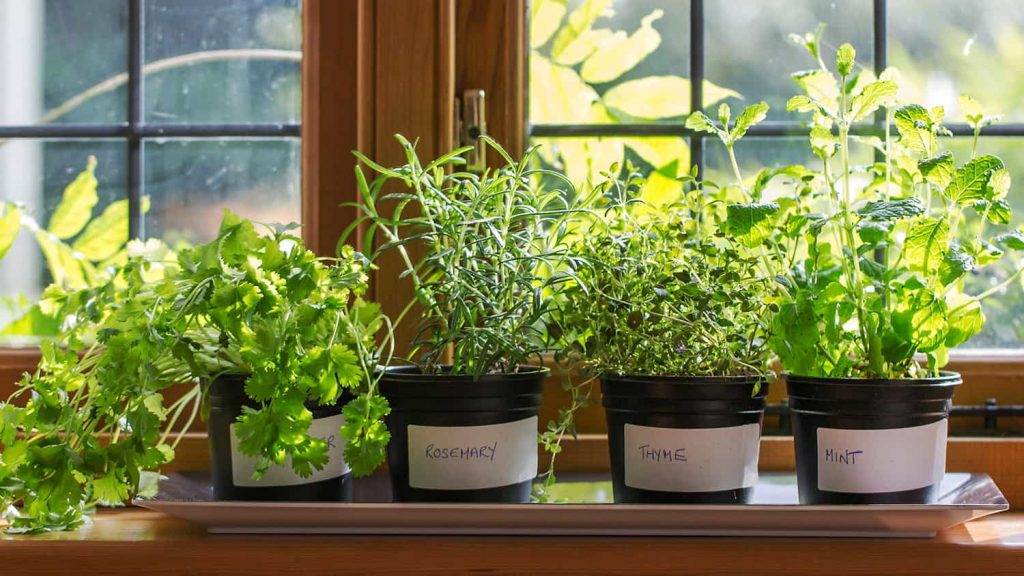
For a tidy windowsill, a long rectangular herb planter with drainage insert works well for grouping two or three healing herbs in one container.
Watering and Feeding
Water when the top couple of centimetres of compost feel dry.
Mint and lemon balm like more consistent moisture; thyme and sage prefer to dry slightly between waterings.
Feed lightly in spring and summer with a balanced liquid fertiliser every few weeks; herbs grown mainly for leaves don’t need heavy feeding.
Easy Ways to Use Healing Herbs at Home
The point of growing medicinal herbs is actually using them – in simple, gentle ways.
Herbal Teas (Infusions)
Many common healing herbs are used as teas:
Chamomile: 1–2 teaspoons of dried flowers (or a small handful of fresh) per mug, steeped in hot water for 5–10 minutes.
Peppermint / spearmint: a few fresh sprigs per mug, steeped for 5–10 minutes, ideal after meals.
Lemon balm: combine with mint or chamomile for a calming evening drink.
Thyme: strong, warming tea often used at the first sign of a cold.
Always start with mild brews and see how you feel. Herb strengths vary, and what feels gentle for one person can be too strong for another.
Simple Kitchen Uses
Many healing herbs cross over beautifully into everyday cooking:
Add chopped thyme or sage to roasted vegetables and stews.
Stir fresh mint or lemon balm into fruit salads and cold drinks.
Scatter calendula petals over salads for colour and a mild, peppery taste.
Salves and Skin Care
Once you’re confident growing and drinking herbal teas, you can explore simple skin soothing preparations such as:
Calendula-infused oil or salves for dry, rough patches of skin.
Thyme or sage steam inhalations (a bowl of hot water with a few sprigs and a towel over your head) when you’re feeling congested.
For more detailed, step-by-step recipes and safety advice, many gardeners use resources from herbal research organisations and botanic gardens that specialise in medicinal plants as a reference alongside any home experiments.
Harvesting and Drying Medicinal Herbs
To get the best flavour and effect, timing and drying matter.
When to Harvest
Pick leaves in the morning, once the dew has dried but before strong midday sun.
Harvest flowers like chamomile and calendula on dry days when they’re fully open.
Avoid taking more than a third of the plant at once so it can recover.
How to Dry
Drying helps you build up a small home apothecary of herbs to use over autumn and winter.
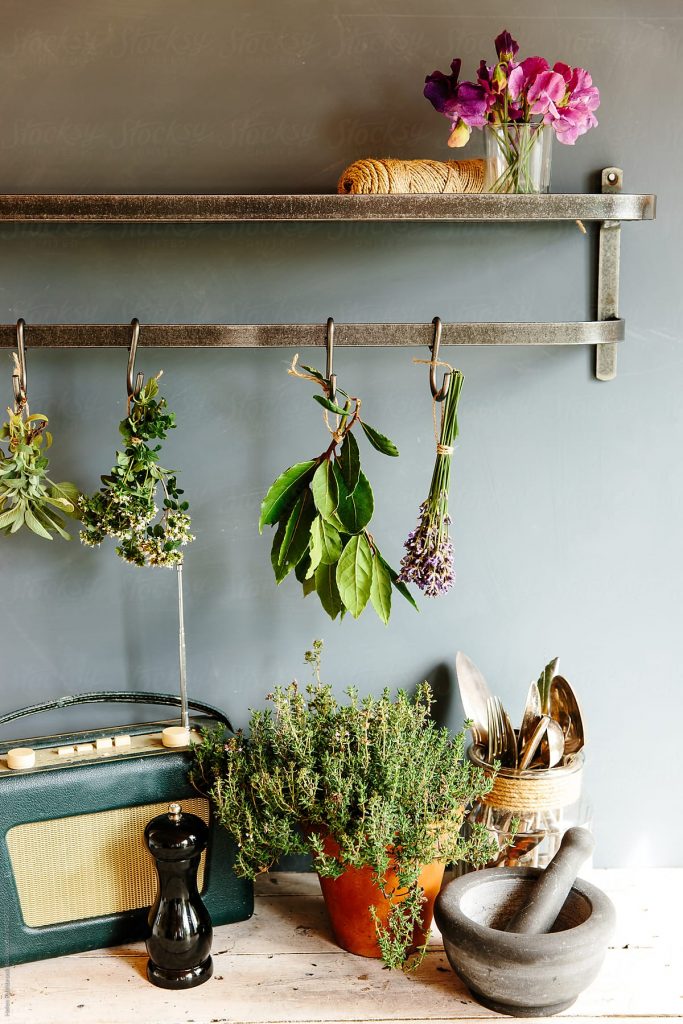
Bundle small bunches of herbs and hang them upside down in a warm, airy, shaded place.
Or spread leaves and flowers in a single layer on a mesh rack or baking tray lined with paper.
Turn occasionally until they’re crisp and dry, then store in airtight containers away from light and heat.
Safety Tips for Growing and Using Medicinal Herbs
Herbs are powerful, and it’s worth treating them with respect.
Learn your plants well. Make sure you correctly identify each herb before using it. Don’t rely on looks alone – use reputable books or websites.
Start small. Try mild teas and low amounts first to see how your body responds.
Avoid strong or complex remedies unless you’ve had proper training or advice.
Check for interactions. If you take regular medication, are pregnant or have long-term conditions, get medical advice before using medicinal herbs regularly.
Keep a note. Jot down what you’ve taken, when, and how you felt afterwards. It helps you spot what works for you and what doesn’t.
FAQs About Healing Herbs at Home
Can I grow medicinal herbs indoors all year round?
Yes, many healing herbs do well on bright windowsills or under grow lights, especially mint, lemon balm, thyme and sage. They may slow down a little in winter, but with decent light and moderate temperatures you can usually keep a small supply of leaves going.
Do I need special soil for medicinal herbs?
Not usually. A good-quality, peat-free multipurpose compost with a bit of added grit or perlite is fine for most herbs in pots. Mediterranean herbs like thyme and sage prefer grittier mixes, while mint and lemon balm are happy in slightly richer soil.
Is it safe to use my own herbs as medicine?
For simple teas and culinary uses from well-known herbs, many people happily use plants they’ve grown themselves. However, “natural” doesn’t mean risk-free. If you’re unsure, on medication, or planning to use herbs frequently, check with a medical professional and use reputable herbal references.
How long do dried herbs keep their strength?
Most dried leaves and flowers are best used within about 6–12 months if stored in airtight jars away from heat and light. After that they slowly lose flavour and potency. You can still use them in the kitchen, but they’ll be milder.
Can I use any marigold as calendula?
No. Calendula (often sold as “pot marigold”) is a specific species used in many herbal recipes. Other ornamental marigolds are not the same plant and may not be suitable for the same uses. Always check the Latin name on seed packets and labels.
Final Thoughts on Growing Healing Herbs
Growing healing herbs at home is a gentle way to bring more nature and self-care into everyday life. A few pots of mint, chamomile, lemon balm or thyme can give you flavour in the kitchen and simple, comforting teas when you need to slow down.
Start with a handful of easy plants, give them decent light, free-draining compost and regular but not excessive water, and learn their basic uses one by one. Over time, you’ll build your own small herbal corner – full of familiar scents, reliable remedies and the quiet satisfaction of using plants you’ve grown yourself.
Related Articles
TURN YOUR KITCHEN INTO A MINI HERB APOTHECARY
Easy Ways to Grow More Edible Plants Indoors
Once you’ve started with a few healing herbs, it’s easy to add more edible plants to your space – from basil and mint on the windowsill to leafy greens and onions regrown from scraps. Learn which plants cope best indoors, how to fit them into small spaces, and how to keep harvests coming without a garden.