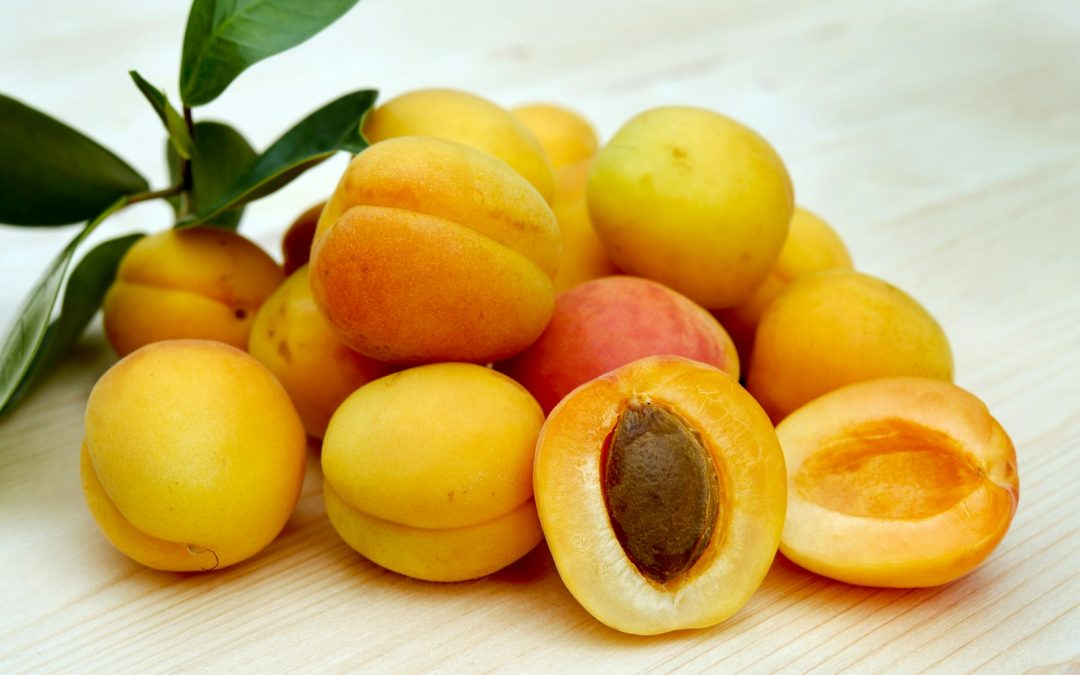
Dreaming of picking sweet, sun-warmed apricots straight from your own tree? Whether you’ve got a small patio, a modest garden, or a bigger outdoor space, growing your own apricots is easier than you might think – as long as you give them the right variety, position, and care.
If you’d like a safety net for future problems, check out our Apricot Tree Care Guide pairs perfectly with this walkthrough and covers diseases, pests, and long-term care in more depth.
Contents
- 0.0.1 Choosing the Right Apricot Tree
- 0.0.2 Where and How to Plant Your Apricot
- 0.0.3 Watering and Feeding Your Apricot Tree
- 0.0.4 Pruning and Training for Better Harvests
- 0.0.5 Protecting Flowers and Fruit
- 0.0.6 Harvesting and Using Your Apricots
- 0.0.7 FAQs About Growing Your Own Apricots
- 0.0.8 Final Thoughts on Growing Your Own Apricots
- 0.0.9 Related Articles
- 1 Discover the Best Dwarf Fruit Trees for Indoors
Choosing the Right Apricot Tree
Not all apricot trees behave the same. Picking the right one at the start makes everything else simpler.
Key things to look for:
Size:
Dwarf or patio apricots are ideal for containers and small gardens.
Semi-dwarf/standard trees need more space but produce larger crops.
Climate suitability:
In cooler or wet climates, choose hardy, late-flowering varieties that cope better with frost and rain.
In hot, dry areas, look for varieties described as heat-tolerant and drought-resistant.
Pollination:
Many apricots are self-fertile, so a single tree will fruit.
Some benefit from a pollination partner – check the label; if one is recommended, plant two compatible varieties.
For more detail on choosing cultivars, check the RHS apricot variety advice page before you buy a tree.
Where and How to Plant Your Apricot
Apricots love warmth and shelter. A bad spot can mean few flowers and poor fruit set.
Best position
Choose a sunny, south or south-west facing wall or fence if possible.
Shelter trees from cold, drying winds.
Avoid low, frost-prone dips where spring blossom can be damaged.
Soil and planting
Apricots like well-drained, fertile soil with plenty of organic matter.
Heavy clay? Improve drainage with grit and compost before planting.
Sandy soil? Add lots of compost to hold moisture.
Planting steps (ground-grown):
- Dig a hole roughly twice as wide as the rootball.
- Mix garden soil with compost and a handful of slow-release fertiliser.
- Set the tree so the graft union (the bulge near the base) sits above soil level.
- Backfill, firm gently, water thoroughly, and stake if the site is windy.
- Mulch with compost or bark, keeping it away from the trunk.
Container planting:
Use a large pot (at least 40–50 cm wide) with drainage holes.
Fill with a loam-based, peat-free compost plus some grit for drainage.
Raise the pot on feet so excess water can drain freely.
Watering and Feeding Your Apricot Tree
Once established, apricots are fairly tough, but young trees still need regular attention.
Watering
Keep soil evenly moist in the first 1–2 years, especially in dry spells.
In containers, water when the top 2–3 cm of compost feels dry.
Avoid waterlogging – apricot roots hate sitting in soggy soil.
Feeding
In early spring, apply a balanced granular fertiliser around the root zone.
Top up with compost or well-rotted manure as a mulch to improve soil health.
Container trees benefit from a liquid feed every 2–4 weeks during active growth.
Pruning and Training for Better Harvests
Good pruning keeps your tree compact, productive, and easier to pick from.
Basic pruning tips
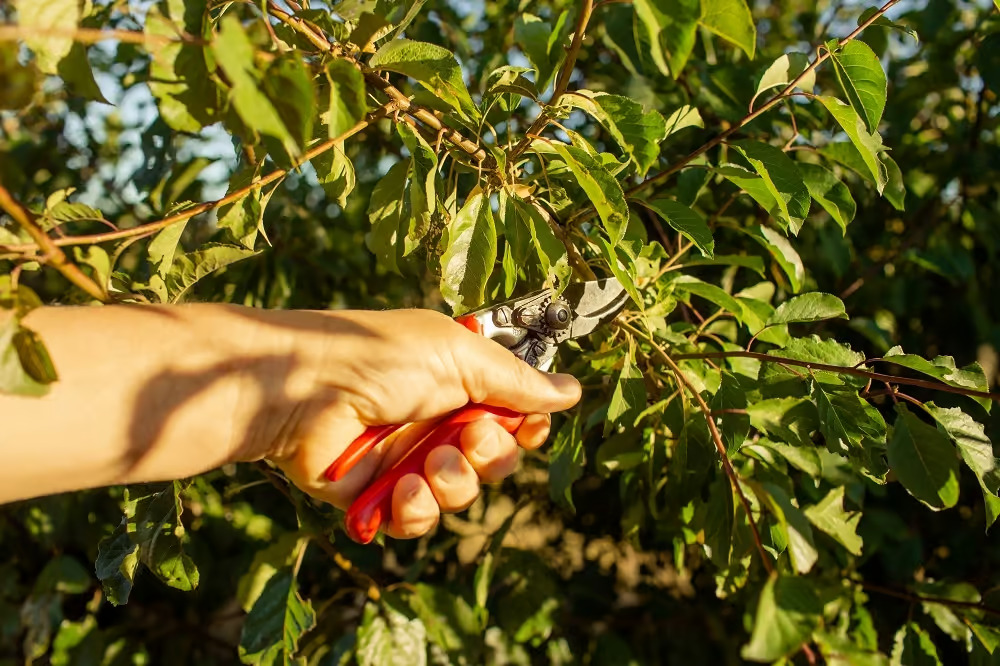
Prune in late spring or early summer, when cuts heal more quickly.
Remove any dead, damaged, or crossing branches first.
Aim for an open, goblet-shaped canopy that lets light and air reach the centre.
Shorten overly long shoots to encourage side branches and more fruiting wood.
If you’re training an apricot as a fan or espalier against a wall, tie in new shoots along wires and cut out any growth facing the wall.
Protecting Flowers and Fruit
Apricots can be a little fussy at flowering time, but a few simple steps make a big difference.
Frost protection:
When late frosts are forecast, cover blossom with horticultural fleece overnight.
For container trees, move pots into a cold greenhouse or sheltered porch while in flower.
Pollination boost:
Keep blossom attractive to pollinators by avoiding pesticides.
On cold, still days, gently tap branches to help pollen move between flowers.
Disease and pest watch:
Check regularly for leaf curl, canker, aphids, and caterpillars.
Remove affected leaves and dispose of them – don’t compost if disease is present.
Harvesting and Using Your Apricots
This is the fun part – but timing matters.
How to tell when apricots are ripe:
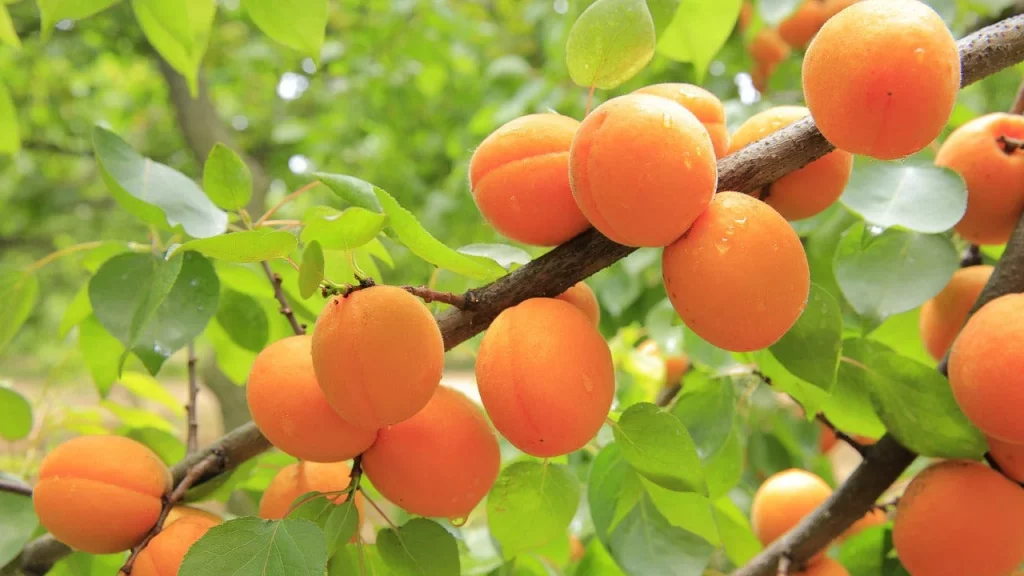
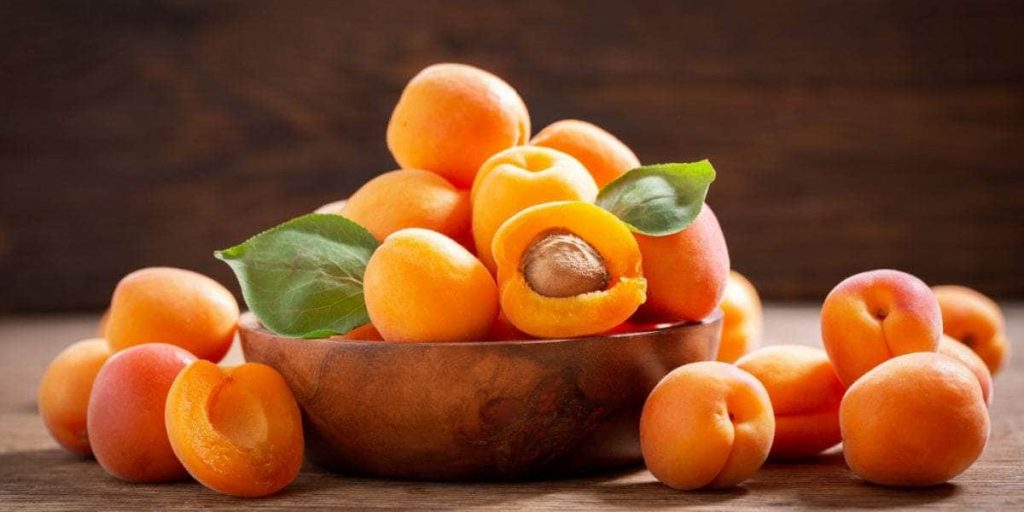
Colour changes from greenish to golden orange with a soft blush.
Fruits feel slightly soft when gently pressed.
Ripe apricots often come away easily when lifted and twisted.
Pick into shallow trays rather than deep buckets to avoid bruising.
Using your harvest:
Eat fresh, still warm from the sun.
Slice into yoghurt, porridge, or salads.
Make jams, chutneys, or fruit leather to enjoy in winter.
Freeze sliced apricots on trays, then bag them for smoothies and desserts.
FAQs About Growing Your Own Apricots
1. Can I grow an apricot tree in a pot?
Yes – choose a dwarf or patio variety, use a large pot with good drainage, and water and feed regularly in summer. Container trees may need repotting every few years as roots fill the pot.
2. How long does it take for an apricot tree to fruit?
Most grafted apricot trees start to crop 3–4 years after planting, though you may see a small handful of fruit earlier. Yields usually increase as the tree matures.
3. Do apricot trees need a cold winter?
Apricots do have a chilling requirement – they need a certain number of cold hours in winter to set blossom properly. Check variety descriptions; some need less chill and are better suited to milder climates.
4. Why are my apricots dropping before they’re ripe?
This can happen after a very heavy fruit set (natural thinning), from drought stress, or from poor pollination and frost-damaged seeds. Keep watering steady and protect blossom from frost to reduce drop.
5. Do I need to thin the fruit?
Yes, especially on well-set trees. Thin clusters so fruits are 5–8 cm apart along the branch. This helps remaining apricots grow larger and reduces the risk of branches snapping under the weight.
Final Thoughts on Growing Your Own Apricots
Growing your own apricots is one of the most rewarding fruit projects you can try. With the right variety, a sunny, sheltered spot, and consistent watering and feeding, even a small garden or patio can supply you with bowls of juicy, home-grown fruit.
Start with a healthy young tree, keep an eye on blossom and early growth, and don’t worry if the first crop is small – each year your tree will settle in, build strength, and give you more apricots to enjoy and share.
Related Articles
Ready to Grow Even More Fruit at Home?
Discover the Best Dwarf Fruit Trees for Indoors
Once your apricot tree is thriving, why stop there? Dwarf lemons, limes, and peaches can all live happily in pots, giving you a mini indoor orchard with fresh fruit almost year-round. Learn which compact varieties to choose, how big they really get, and the simple care routine they need to stay productive.