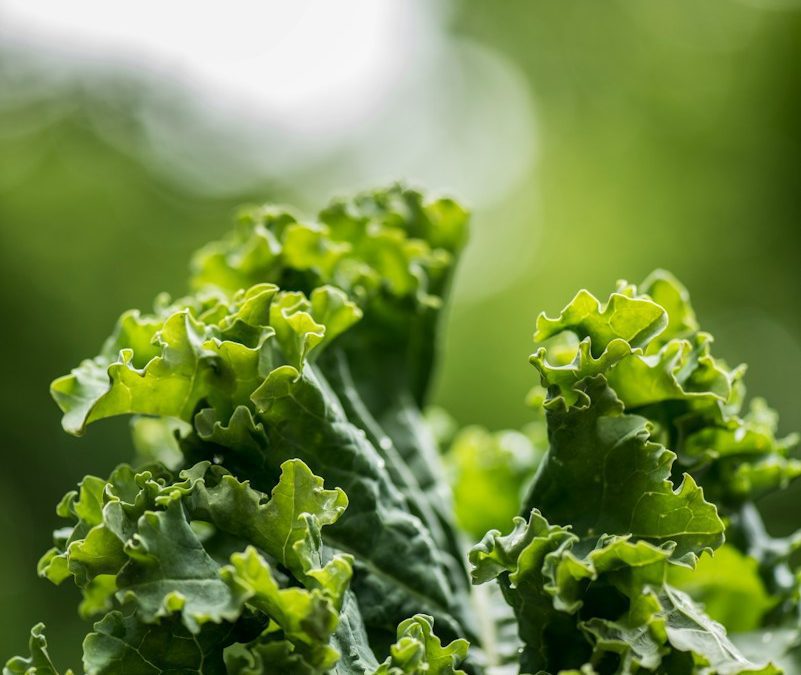
Kale has gone from “old-fashioned cabbage cousin” to one of the most popular leafy greens you can grow at home. It’s hardy, productive for months, and surprisingly forgiving – perfect whether you’re just starting out or filling every spare pot with veg.
If you want to build a full indoor or balcony salad setup alongside your kale, our Best Vegetables for Indoor Gardening guide is a great next read to help you choose what to plant with it.
Contents
- 0.1 Choosing the Best Kale Varieties to Grow
- 0.2 Sowing Kale Seeds (Outdoors and in Trays)
- 0.3 Planting Kale in Beds, Pots and Containers
- 0.4 Watering and Feeding Kale for Steady Growth
- 0.5 Protecting Kale from Pests and Weather
- 0.6 Harvesting Kale So It Keeps Producing
- 0.7 Growing Kale in Small Spaces and Indoors
- 0.8 FAQs About Growing Kale
- 0.9 Final Thoughts on Growing Kale
- 0.10 Related Articles
- 1 Grow Spinach Indoors for Year-Round Leaves
Choosing the Best Kale Varieties to Grow
Before you sow anything, choose a kale type that fits your space and taste.
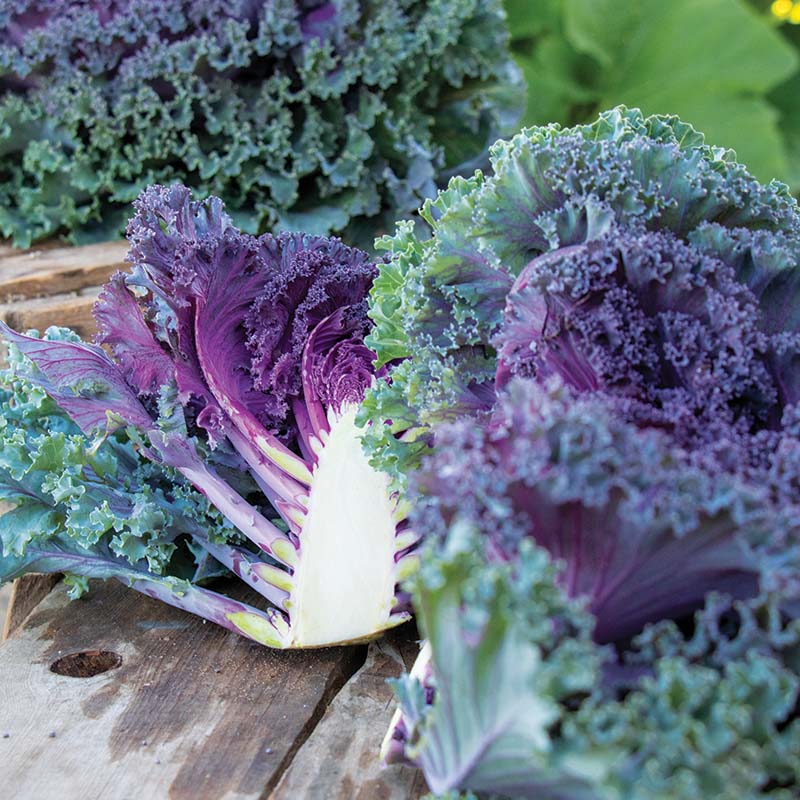
Curly kale (Scotch types) – classic frilly leaves, great for chips and stir-fries.
Tuscan kale (Cavolo Nero / Lacinato) – long, bumpy dark leaves, fantastic in soups and pasta.
Red Russian kale – softer leaves with purple stems, milder flavour and very pretty.
Dwarf kales – compact plants that suit containers and tighter beds.
If you live somewhere with cold winters, kale is your friend – most varieties shrug off low temperatures and can keep producing when other crops are done.
For more detail on which variety suits your climate and taste, it’s worth checking a trusted kale variety guide from a reputable gardening organisation before you buy seeds.
Sowing Kale Seeds (Outdoors and in Trays)
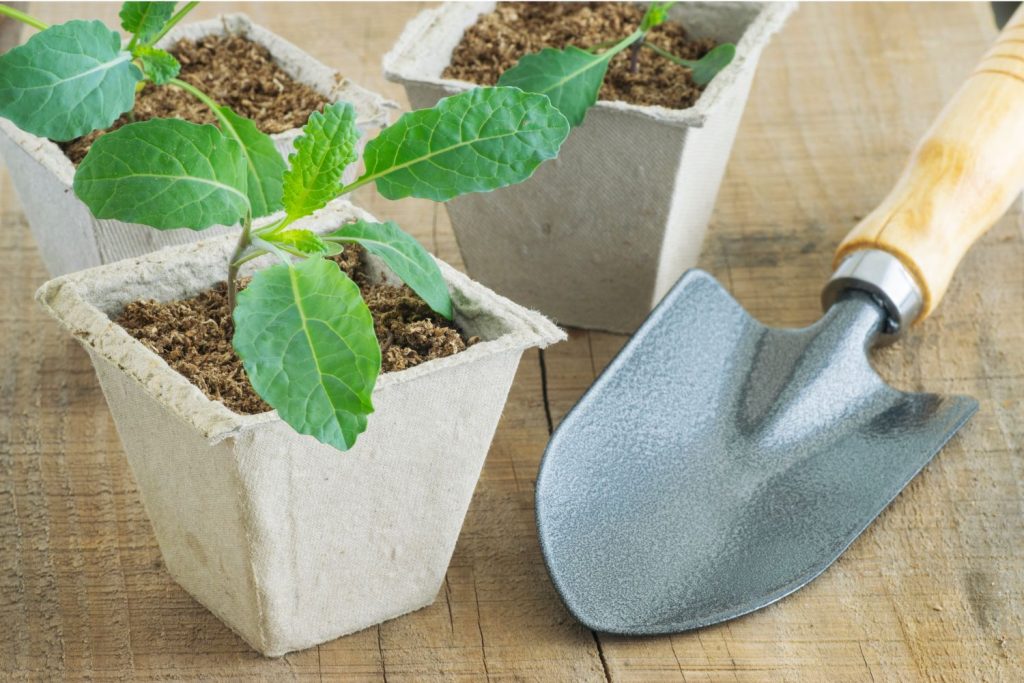
You can sow kale directly into beds or start it in modules/seed trays to plant out later.
When to sow (typical temperate climate):
Indoors or in a sheltered propagator: late winter to early spring.
Direct outside: spring through early summer for main crops; late summer for autumn/winter harvests.
Starting in trays or modules:
- Fill seed trays or modules with a fine seed compost.
- Sow seeds about 1 cm deep, one or two per cell.
- Water gently and keep somewhere bright and frost-free.
- Thin to one strong seedling per cell once they’re up.
- Harden off young plants before moving them outside permanently.
Sturdy deep plastic seed trays with drainage holes make handling kale seedlings much easier and reusable.
Planting Kale in Beds, Pots and Containers
Kale is flexible – it’s happy in borders, raised beds, big pots or grow bags, as long as it has enough space and nutrients.
Spacing and soil
In beds: space plants 40–45 cm apart in rows, or a grid.
In containers: choose pots at least 25–30 cm wide for each plant.
Use soil or compost that is:
Moist but free-draining
Rich in organic matter (compost or well-rotted manure)
Not too acidic – kale generally likes a pH near neutral
Mixing in some garden compost before planting boosts fertility and helps the soil hold moisture without becoming waterlogged.
Watering and Feeding Kale for Steady Growth
Kale likes consistent moisture and modest feeding – nothing too fancy.
Watering
Aim to keep the soil evenly moist, especially while plants are young and during dry spells.
In containers, check moisture often; pots dry out much faster than beds.
Water at the base, not over the leaves, to reduce the chance of fungal problems.
A slim-spout metal watering can for pots and beds helps you water at soil level without splashing leaves.
Feeding
If your soil is already rich, kale often needs little extra feeding.
In lean or sandy soils, apply a balanced granular fertiliser before planting and top up mid-season.
Container-grown plants appreciate a liquid feed every few weeks during active growth.
Protecting Kale from Pests and Weather
Kale is tough, but a few common problems can slow it down if you don’t keep an eye out.
Cabbage white butterflies & caterpillars
These love all brassicas (kale, cabbage, broccoli).
Prevent damage by covering plants with fine mesh or insect netting as soon as they go outside.
Check under leaves regularly and remove any eggs or caterpillars you spot.
Slugs and snails
Protect young plants with barriers (copper tape around pots, sharp grit, or wool pellets).
Hand-pick in the evening or early morning if they’re a big problem.
Wind and cold
Kale actually likes cool weather, but strong wind can rock young plants and damage leaves.
Firm plants in well when you transplant.
In very exposed spots, use low windbreaks or plant near a fence or hedge.
Harvesting Kale So It Keeps Producing
The best way to harvest kale is “little and often” – treat it like a cut-and-come-again crop.
Start picking once plants are about 20–25 cm tall, and leaves are a decent size.
Always take the outer, lower leaves first, leaving the centre to keep growing.
Don’t strip the plant bare – keep at least a small rosette of leaves on top.
Harvesting this way encourages plants to keep pushing new leaves from the centre. In many climates, you can pick from the same kale plants for months, right through autumn and into winter.
Growing Kale in Small Spaces and Indoors
You don’t need a big allotment to grow kale.
Balconies and patios: one or two plants in deep pots can supply regular handfuls of leaves for meals.
Grow bags: plant a short row of kale alongside other leafy crops.
Bright indoor spots: baby-leaf kale can be grown in trays under grow lights as part of a mini salad bar.
FAQs About Growing Kale
1. Is kale easy to grow for beginners?
Yes – kale is one of the most forgiving leafy greens. As long as it has enough light, reasonable soil, and you keep an eye out for caterpillars, it will usually reward you with months of harvests.
2. Can I grow kale in pots only?
Definitely. Just choose deep pots (25–30 cm or more), use fresh compost, and water regularly. Container kale may need a little more feeding than bed-grown plants because nutrients wash out of pots faster.
3. Does kale grow back after cutting?
Yes, if you harvest correctly. Take older outer leaves and leave the central growing point intact; the plant will keep producing new leaves from the middle.
4. What time of year should I plant kale?
In many temperate climates, you’ll sow in spring for summer/autumn harvests, and late summer for autumn/winter crops. In milder areas, kale can often stand right through winter with minimal protection.
5. Why are my kale leaves turning yellow?
Yellowing can come from poor drainage, over-watering, very tired soil, or heavy pest damage. Check for compacted soil, adjust watering, remove badly damaged leaves, and consider a light feed if plants look weak overall.
Final Thoughts on Growing Kale
Growing kale is one of those “low effort, high reward” projects. Once plants are established in good soil, they mostly get on with the job – quietly producing fresh, nutrient-rich leaves that you can harvest whenever you need them.
Focus on a few basics: choose varieties you’ll actually enjoy eating, give them sun and decent soil, water consistently, and protect them from caterpillars early on. Do that, and kale plants will become one of the most reliable, productive parts of your veg patch or container garden.
Related Articles
GROW MORE SUPERPOWER GREENS AT HOME
Grow Spinach Indoors for Year-Round Leaves
If kale has convinced you how useful home-grown greens can be, spinach is the perfect next step. It’s quick, compact, and happy in trays or pots on a bright windowsill, giving you tender leaves for salads, smoothies and cooking. Take a look at Grow Spinach Indoors for a simple, step-by-step guide to keeping fresh spinach on hand all year.