If you’ve ever wanted fresh chillies in winter, home-grown ginger, or a mini citrus tree by the window, growing exotic fruits and vegetables indoors can be surprisingly doable. The trick is choosing plants that genuinely cope with pots, indoor light, and steady temperatures — not the ones that only thrive in a greenhouse.
This article walks you through the best indoor-friendly “exotic” crops, the simple set-up they need, and how to avoid the common mistakes that make indoor plants stall. For lighting help (which matters a lot with indoor fruiting crops), you can also read Best Lights for Indoor Gardening.
Contents
- 0.1 Growing Exotic Fruits and Vegetables Indoors: Pick the Right Kind of “Exotic”
- 0.2 Best Exotic Fruits to Grow Indoors in Pots
- 0.3 Best Exotic Vegetables and Roots to Grow Indoors
- 0.4 The Simple Indoor Set-Up for Exotic Crops
- 0.5 Pollination Indoors: How to Get Fruit Without Bees
- 0.6 Common Problems When Growing Exotic Crops Indoors
- 0.7 FAQs About Growing Exotic Fruits and Vegetables Indoors
- 0.8 Final Thoughts on Growing Exotic Fruits and Vegetables Indoors
- 0.9 Related Articles
- 1 Self Watering Pots for Busy Plant Owners
Growing Exotic Fruits and Vegetables Indoors: Pick the Right Kind of “Exotic”
Indoor growing works best when the plant is one of these:
Container-friendly (happy with restricted roots)
Warmth-loving (doesn’t need cold winters outdoors)
Fast or medium speed (you’ll see results without waiting years)
Self-pollinating or easy to hand-pollinate
If a plant needs long, blazing summer days, loads of wind, or a winter chill to set fruit, it’s usually a pain indoors. That doesn’t mean you can’t try — just don’t make it your “beginner” choice.
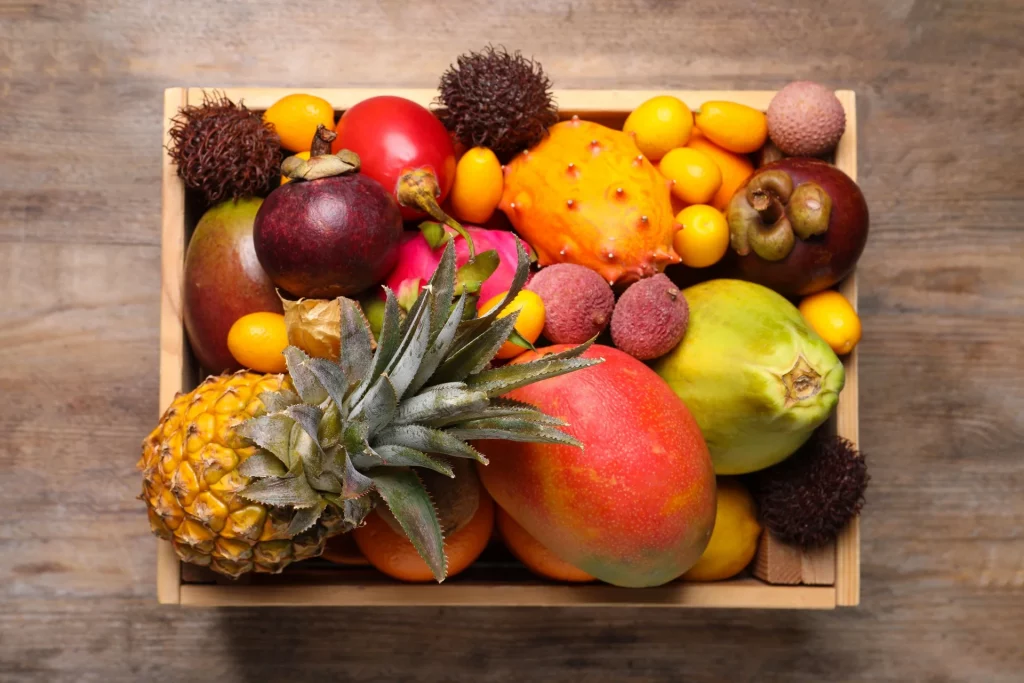
Best Exotic Fruits to Grow Indoors in Pots
Here are realistic options that many indoor growers manage well in UK homes.
Dwarf Citrus (Lemon, Lime, Calamondin)
Dwarf citrus can work indoors if they get strong light and don’t sit in cold draughts. They’re great if you want something that looks impressive, even when it’s not fruiting.
Top tips:
Brightest window you’ve got (south/west is best).
Don’t overwater — citrus hate soggy roots.
Expect slower fruiting indoors unless light is excellent.
A compact full-spectrum LED grow light panel can make a big difference for indoor citrus and other fruiting plants during darker months.
Pineapple (as a long-term project)
You can grow pineapple from the crown of a shop-bought fruit. It’s not fast, but it’s fun and looks like a spiky tropical houseplant.
What to expect:
Months of leaf growth before anything “exciting” happens.
Fruit can take a couple of years indoors (sometimes longer).
Passionfruit (only if you have space and light)
Passionfruit vines are vigorous and want bright light plus room to climb. Indoors, they’re more realistic if you have a conservatory, a very bright window, or grow lights and a trellis.
Best Exotic Vegetables and Roots to Grow Indoors
If you want quicker wins, vegetables and roots are often more rewarding than indoor fruit trees.
Chillies and Peppers
Chillies are one of the best indoor “exotic” crops because they:
love warmth
grow well in pots
can fruit indoors with enough light
If you want reliable fruiting through spring and summer, start seeds early and keep plants warm.
A seedling heat mat with thermostat helps chilli and pepper seeds germinate faster and more evenly in cooler UK homes.
Ginger and Turmeric
These are brilliant indoor crops because you’re growing the roots, not chasing flowers or pollination.
How it works:
Plant a plump piece of ginger/turmeric in a wide pot.
Keep warm and lightly moist.
Harvest small pieces as needed once it’s established, or lift the whole pot after several months.
Aubergine (Eggplant)
Aubergines can work indoors, but they’re hungrier and need stronger light than chillies. Great if you like a challenge and can give them warmth and consistent feeding.
Asian Greens (Pak choi, mizuna, mustard greens)
These aren’t “tropical”, but they feel exotic in the kitchen and grow quickly indoors in trays or shallow containers.
They’re a great option if you want fast harvests while your slower projects (like ginger or citrus) tick along.

The Simple Indoor Set-Up for Exotic Crops
1) Light
This is the number one limiter indoors. Fruiting plants (citrus, peppers, aubergine) need more light than leafy greens.
Aim for:
brightest window available
rotate pots weekly so plants don’t lean
consider a grow light if growth is weak or plants stay small
2) Warmth and drafts
Most “exotic” crops want steady warmth.
Common indoor problems:
cold night temperatures on windowsills
radiators drying plants out
cold drafts near doors
A simple fix is pulling pots a little back from the glass at night in winter.
3) Pot size and drainage
Use pots with drainage holes. Always.
Don’t oversize the pot “just in case” — big pots stay wet too long indoors.
Use saucers or trays, but don’t leave pots sitting in water.
4) Feeding
Indoor fruiting crops often need feeding because pots don’t hold endless nutrients.
General approach:
light, regular feeding in spring/summer
ease off in winter if growth slows
avoid overfeeding (it can cause soft, weak growth and more pests)
Pollination Indoors: How to Get Fruit Without Bees
Some plants self-pollinate easily, but indoors you often need to help.
Peppers and chillies: gently tap the plant or flowers daily when flowering.
Aubergine: similar tapping works, or use a soft brush.
Citrus: can self-pollinate, but gentle brushing between flowers can improve fruit set.
If your indoor peppers or aubergines have lots of flowers but little fruit, UC Master Gardeners recommend gently shaking the flowers to help with hand pollination.
Common Problems When Growing Exotic Crops Indoors
Leggy growth (tall, weak stems)
Cause: not enough light.
Fix: move closer to a window, add a grow light, rotate the pot, and pinch/tip-prune where appropriate.
Flowers dropping without fruit
Cause: temperature swings, low light, or dry air.
Fix: keep conditions steadier, avoid cold drafts, and help pollination (tapping flowers).
Yellow leaves
Cause: overwatering, tired compost, or nutrient imbalance.
Fix: let compost dry slightly more between watering, ensure drainage, and feed lightly during active growth.
Pests (especially indoors)
Watch for:
spider mites (fine webbing, speckled leaves)
aphids (clusters on soft growth)
fungus gnats (usually from constantly damp compost)
Fix basics first: avoid soggy soil, improve airflow, and remove heavily affected leaves early.
FAQs About Growing Exotic Fruits and Vegetables Indoors
Can I grow tropical fruit indoors without a greenhouse?
Yes, but pick realistic options. Dwarf citrus can work with strong light, and pineapple crowns grow as attractive houseplants (fruit is a long-term bonus).
What’s the easiest “exotic” crop for beginners?
Chillies and ginger are great starters. Chillies give you flowers and fruit; ginger gives you harvestable roots without needing pollination.
Do I need grow lights to grow exotic crops indoors?
Not always, but they help a lot in UK winters or darker homes. Fruiting plants need more light than leafy greens, so lights can be the difference between “alive” and “productive”.
Why do my indoor peppers flower but not fruit?
Usually low light, temperature stress, or lack of pollination. Increase light, keep conditions steady, and tap flowers daily to move pollen.
Can I grow exotic crops in a small flat?
Yes — choose compact plants, use vertical space, and focus on containers. A few well-placed pots can give you chillies, herbs, greens, and even ginger without taking over your home.
Final Thoughts on Growing Exotic Fruits and Vegetables Indoors
Growing exotic fruits and vegetables indoors is most successful when you choose the right plants and treat light as your “fuel”. Start with chillies, ginger, and fast greens for quick wins, then add longer-term projects like dwarf citrus once you’ve nailed your indoor routine.
Keep it simple: warm spot, free-draining compost, sensible watering, and a bit of help with pollination when flowers appear. Do that, and you’ll be surprised how “tropical” your windowsill can feel — even in the middle of a UK winter.
Related Articles
MAKE INDOOR GROWING MORE RELIABLE
Self Watering Pots for Busy Plant Owners
Exotic indoor crops often fail because they swing between too dry and too wet. A good self-watering set-up helps keep moisture steadier, especially for peppers, ginger and indoor greens in warm rooms. If you want healthier roots and less day-to-day fuss, self-watering pots can make indoor growing feel far easier.