

Growing turmeric indoors is totally doable, even in the UK — if you give it warmth, steady moisture, and enough light. The trick is treating it like a slow, tropical plant rather than a quick herb.
If you’re also growing other edible “roots” at home, you might like How to Grow Indoor Ginger.
Quick answer: grow turmeric indoors successfully by doing this
Start with fresh turmeric rhizomes with visible buds
Keep the pot warm (around room-warm, not chilly windowsills)
Use a wide pot with drainage and a light, airy compost mix
Water lightly until it sprouts, then keep it evenly moist
Give it bright light (a sunny window or supplemental grow light in winter)
Do this first: Put your turmeric rhizomes somewhere warm indoors for 7–10 days and check for little “buds” (eyes) swelling — it makes sprouting much faster.
Contents
- 0.1 What turmeric needs to grow well indoors
- 0.2 Choose the right turmeric rhizomes
- 0.3 Best pot and compost for indoor turmeric
- 0.4 How to plant turmeric indoors (simple steps)
- 0.5 Light requirements once turmeric sprouts
- 0.6 Long-tail fixes that save most indoor turmeric plants
- 0.7 Watering and feeding turmeric indoors
- 0.8 When and how to harvest turmeric indoors
- 0.9 FAQs About Growing Turmeric Indoors
- 0.10 Final Thoughts on Growing Turmeric Indoors
- 0.11 Related Articles
- 1 Explore Essential Indoor Gardening Tools & Tips
What turmeric needs to grow well indoors
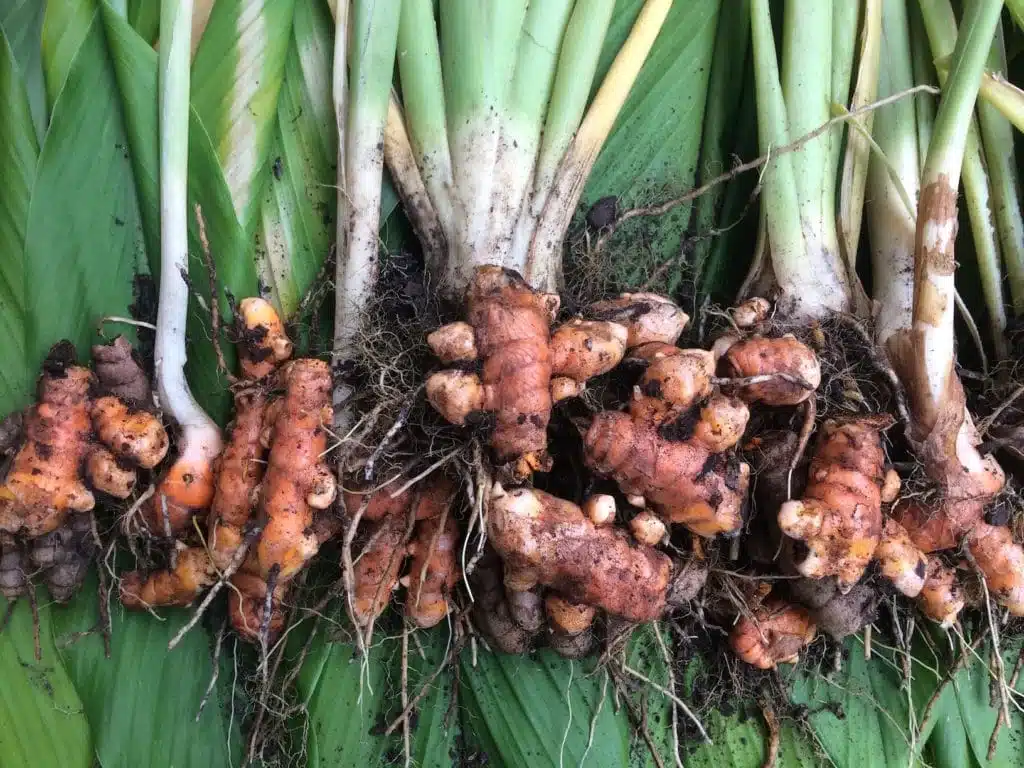
Turmeric (Curcuma longa) grows from rhizomes (the knobbly “root” pieces). Indoors, your job is to copy its natural conditions:
Warmth: the biggest indoor success factor
Moist but not soggy compost: it rots if it sits wet
Bright light: especially once leaves appear
Time: turmeric is slow and steady (often 8–10 months to harvest indoors)
Choose the right turmeric rhizomes
Before you plant anything, make sure you’re starting with the right material.
What to look for
You want rhizomes that are:
firm (not soft or shrivelled)
healthy-looking, no mould
showing small buds/eyes (little bumps that will sprout)
Can you use supermarket turmeric?
Sometimes, yes — but it can be hit-and-miss. If it’s been treated to stop sprouting, it may sit there doing nothing for weeks.
If you want the “easy mode” option, look for turmeric seed rhizomes sold specifically for planting.
Best pot and compost for indoor turmeric
Turmeric spreads sideways more than it goes deep, so width matters.
Pot size
A good rule:
One rhizome piece: 20–25 cm wide pot
Two to three pieces: 30–40 cm wide pot
A fabric grow bag is brilliant for turmeric because it breathes and drains well.
Compost mix that prevents rot
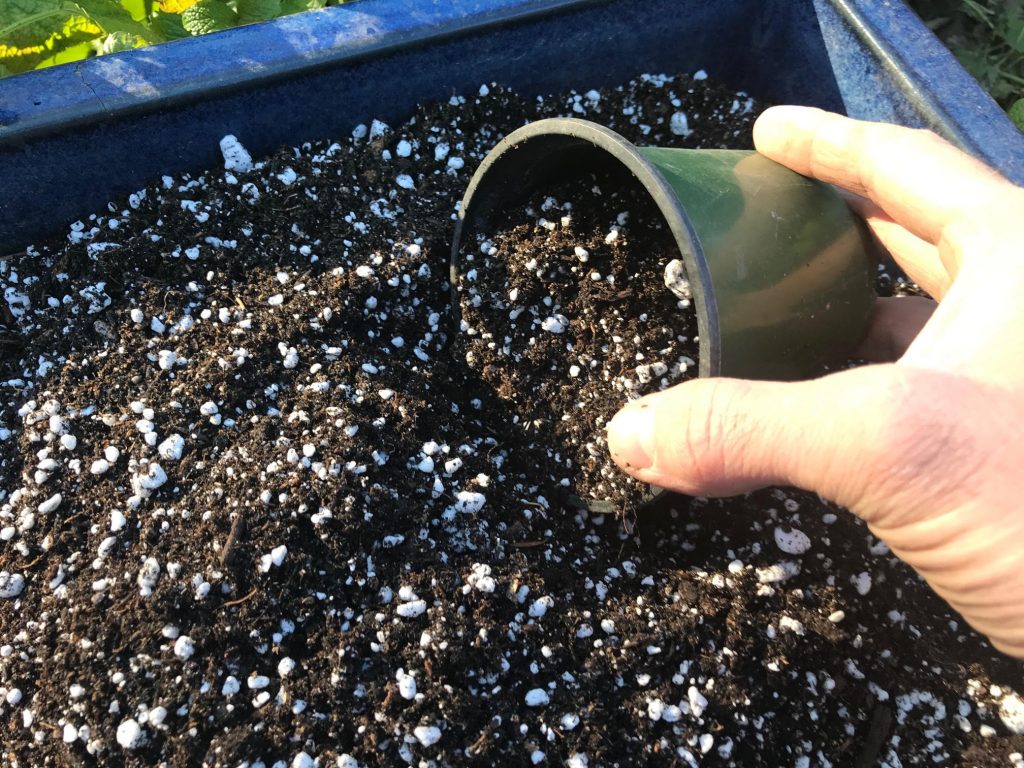
Use a light mix that drains well:
70% multi-purpose compost
30% perlite / grit / coco coir (any one is fine)
If you’re unsure what “good drainage” should look like for indoor pots, this pairs well with How to Improve Indoor Plant Drainage.
How to plant turmeric indoors (simple steps)
Here’s the no-fuss planting method.
- Cut and dry (optional): If you cut rhizomes, let the cut ends dry for 24 hours.
- Plant shallow: Lay rhizomes 5–8 cm deep with buds facing up if possible.
- Water lightly: Moist, not soaked.
- Warm spot: A warm room beats a cold windowsill every time.
- Be patient: Sprouting can take 3–8 weeks depending on temperature.
Warmth tip that makes sprouting quicker
If your home runs cool, a seedling heat mat can speed things up massively.
Light requirements once turmeric sprouts
Once shoots appear, turmeric starts acting like a leafy houseplant.
Put it in your brightest spot (close to a window, not across the room)
Rotate the pot weekly so it grows evenly
If you’re growing through darker months, consider extra light
For setup and positioning, you can also read Grow Light Placement.
Long-tail fixes that save most indoor turmeric plants
Why your turmeric isn’t sprouting indoors
Most of the time, it’s one of these:
the rhizome is too cold
the compost is too wet
the rhizome wasn’t viable (treated or old)
Fast fix: move it somewhere warmer and let the top few centimetres of compost dry slightly before watering again.
Turmeric leaves turning yellow indoors
Yellowing usually means:
overwatering / poor drainage
not enough light
the plant is naturally slowing down later in the season
Fast fix: check drainage first, then move it closer to light.
Can you grow turmeric indoors in the UK?
Yes — but turmeric is a warmth lover. In UK homes, growth is usually best from late spring through early autumn. Indoors, it can still do well year-round if it stays warm and bright.
According to North Carolina State Extension advice on ginger and turmeric, sprouting is helped by warm conditions and steady moisture (not wet compost).
Watering and feeding turmeric indoors
Watering is where most people accidentally cause rot.
Watering routine
Before sprouts: water lightly, only when the top feels dry-ish
After sprouts: water more regularly, but never let it sit in a puddle
Tip: empty saucers/cachepots after watering
If you’ve struggled with soggy compost before, you might find Why Indoor Plant Soil Smells Bad.
Feeding
Once you’ve got several leaves, feed lightly every few weeks with a balanced houseplant fertiliser (don’t overdo it).
When and how to harvest turmeric indoors
Turmeric is usually ready when:
leaves start to yellow and die back (often 8–10 months after planting)
growth slows and the plant looks “finished” for the season
Harvest steps
- Stop watering as it dies back
- Tip the pot out and gently break compost apart
- Keep the biggest rhizomes for cooking
- Save a few healthy pieces to replant next season
FAQs About Growing Turmeric Indoors
How long does turmeric take to grow indoors?
Usually 8–10 months from planting to harvest, depending on warmth and light.
Do I need full sun to grow turmeric indoors?
You need bright light, but not scorching sun. A bright window is fine; extra light helps in winter.
Can turmeric grow in small pots?
It can start in a small pot, but it performs best in a wide container so it can spread.
Why is my turmeric rotting in the soil?
Nearly always too much water + poor drainage. Let it dry slightly between waterings and use a lighter compost mix.
Final Thoughts on Growing Turmeric Indoors
Turmeric is one of those plants that rewards patience. If you get warmth + drainage right at the start, everything else becomes much easier.
Keep it warm, don’t drown it, and give it bright light once it sprouts — and you’ll have your own homegrown turmeric rhizomes to harvest later on.
Related Articles
KEEP EDIBLE PLANTS THRIVING IN SMALL SPACES
Explore Essential Indoor Gardening Tools & Tips
If you’re growing turmeric indoors (or any edible plant), the right basics make everything easier — better watering, cleaner repotting, and fewer mistakes. A simple setup can improve results fast without turning your home into a greenhouse.