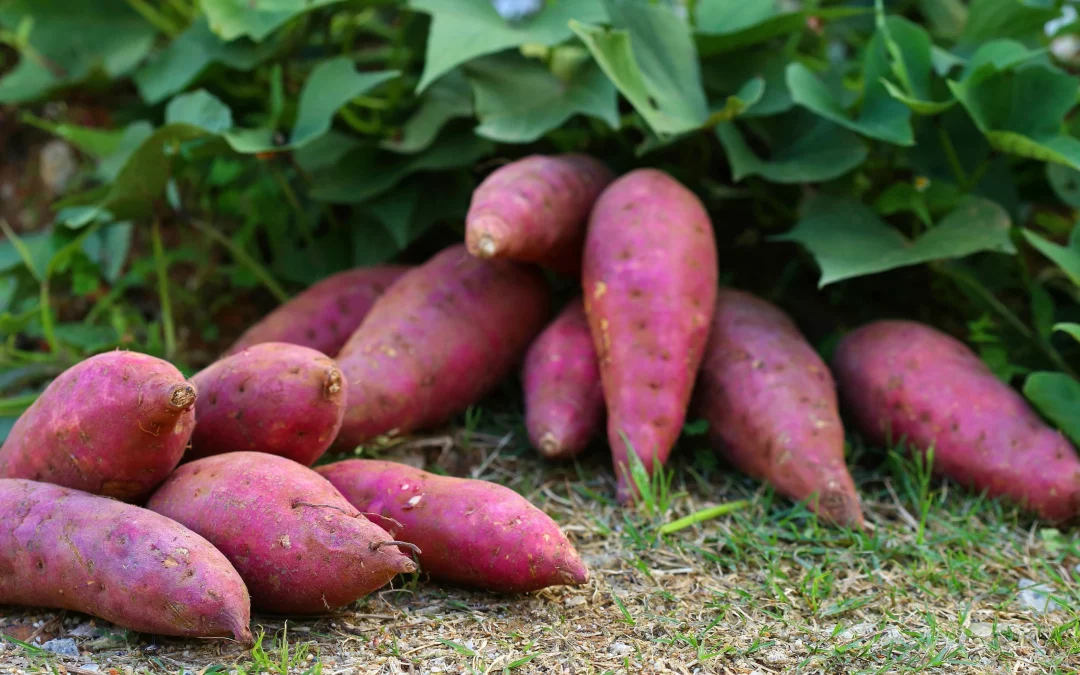
Growing sweet potatoes indoors is totally doable if you treat it like a warm-season vine: steady warmth, a big container, and patience. The bonus is you can grow it for greens (leaves) even if the tubers stay smaller.
Contents
- 0.1 Quick answer: grow sweet potatoes indoors
- 0.2 Can you really grow sweet potatoes indoors?
- 0.3 What you need to grow sweet potatoes indoors
- 0.4 Step 1: How to make sweet potato slips indoors
- 0.5 Step 2: Best pot size and soil for indoor sweet potatoes
- 0.6 Step 3: Light needs (and where most people go wrong)
- 0.7 Step 4: Watering and feeding sweet potatoes indoors
- 0.8 Step 5: Training the vine indoors (so it doesn’t take over your room)
- 0.9 When to harvest sweet potatoes indoors
- 0.10 FAQs
- 0.11 Final Thoughts on Growing Sweet Potatoes Indoors
- 0.12 Related Articles
- 1 Grow More Indoor Veg With Less Guesswork
Quick answer: grow sweet potatoes indoors
Start with a healthy sweet potato and sprout it into slips (shoots)
Plant slips into a large container with airy compost + extra drainage
Give bright light and warm temps (sweet potatoes hate cold)
Keep compost evenly moist, never soggy
Harvest leaves anytime; harvest tubers after 90–140 days (variety + conditions)
Do this first: pick your warmest, brightest indoor spot (or shelf) before you start slips — sweet potatoes stall if they’re chilly.
Can you really grow sweet potatoes indoors?
Yes — but expectations matter. Indoors you’ll usually get:
A big vine (fast)
Edible leaves (easy win)
Smaller tubers than outdoor ground-growing (still possible with the right setup)
If you mainly want a reliable edible indoor crop, it’s worth pairing this with fastest growing indoor vegetables for quicker harvests too.
What you need to grow sweet potatoes indoors
Before you start, here’s what makes the biggest difference:
Warmth: ideally a consistently warm room (cool windowsills slow everything down)
Light: bright window or supplemental light in darker months
Container size: bigger pot = better chance of tubers forming
Airy compost: heavy, wet compost = rot risk
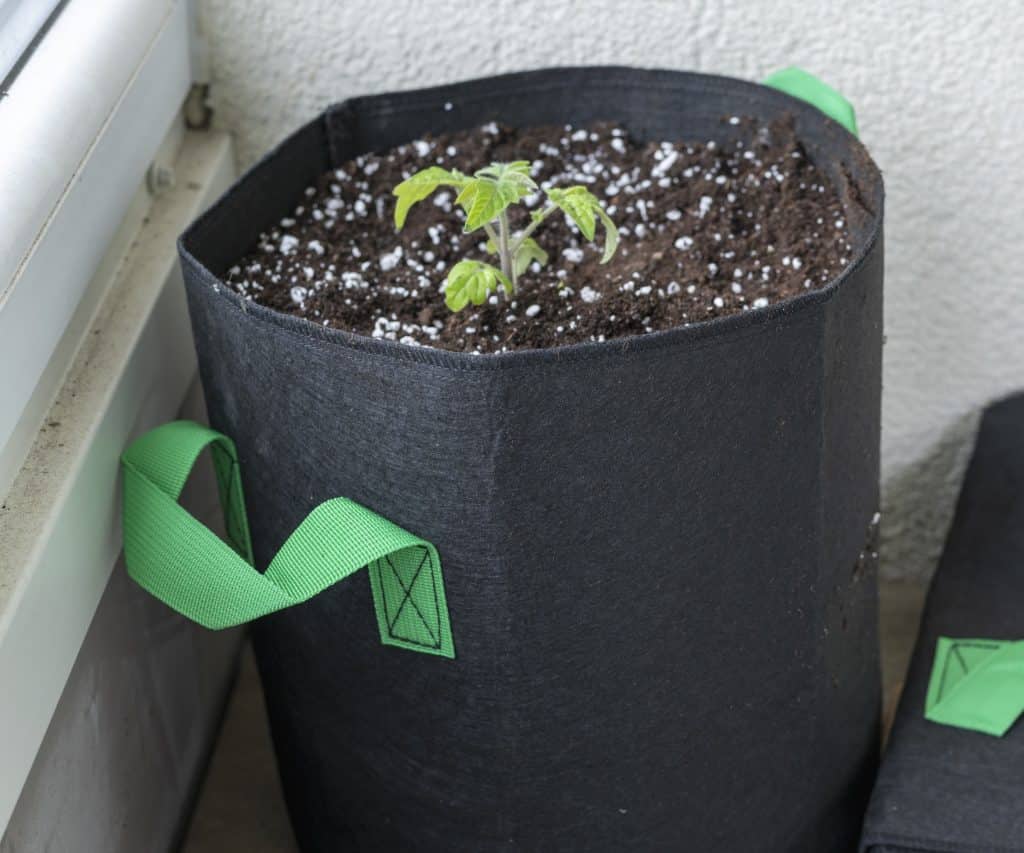
A practical “easy mode” setup is a large breathable container like a fabric grow bag.
Step 1: How to make sweet potato slips indoors
You’re not planting the sweet potato itself (usually). You’re growing slips, then planting those.
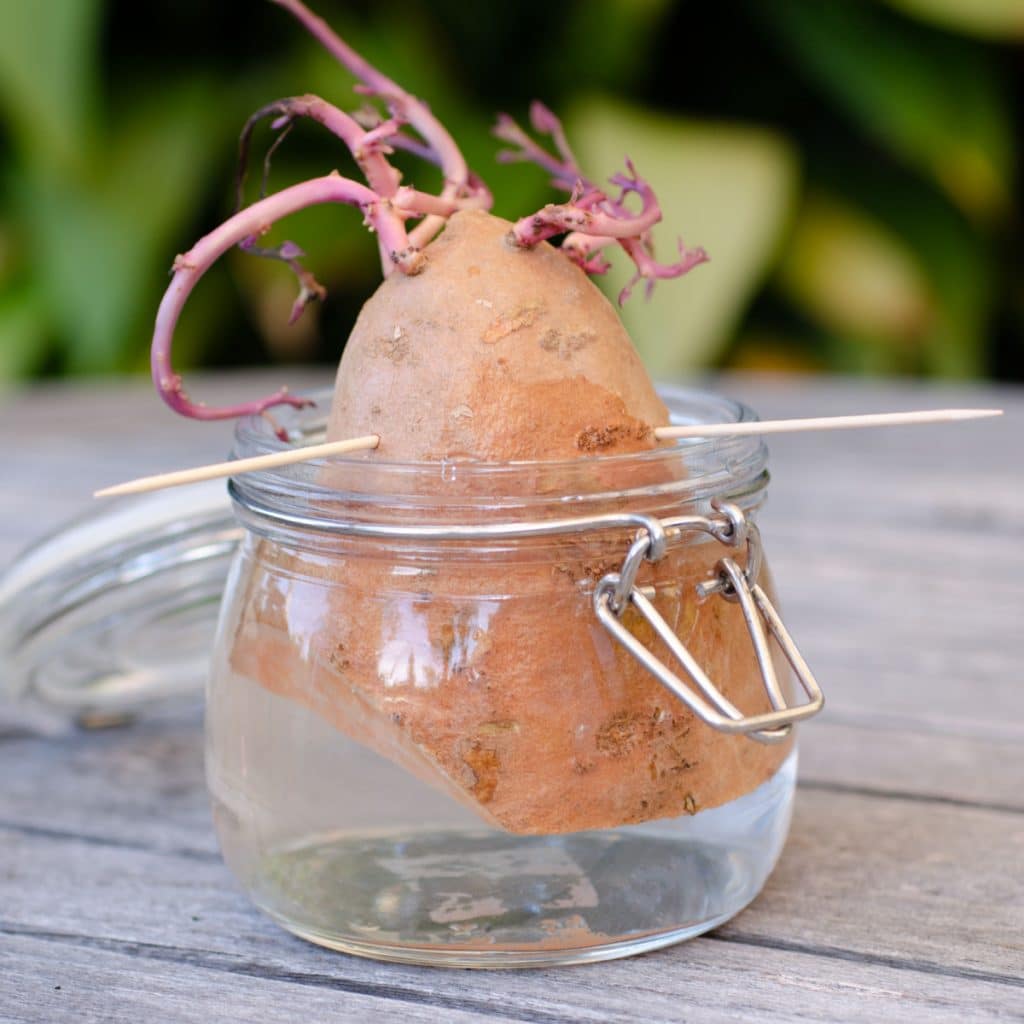
- Choose a firm sweet potato (no mould, no soft spots).
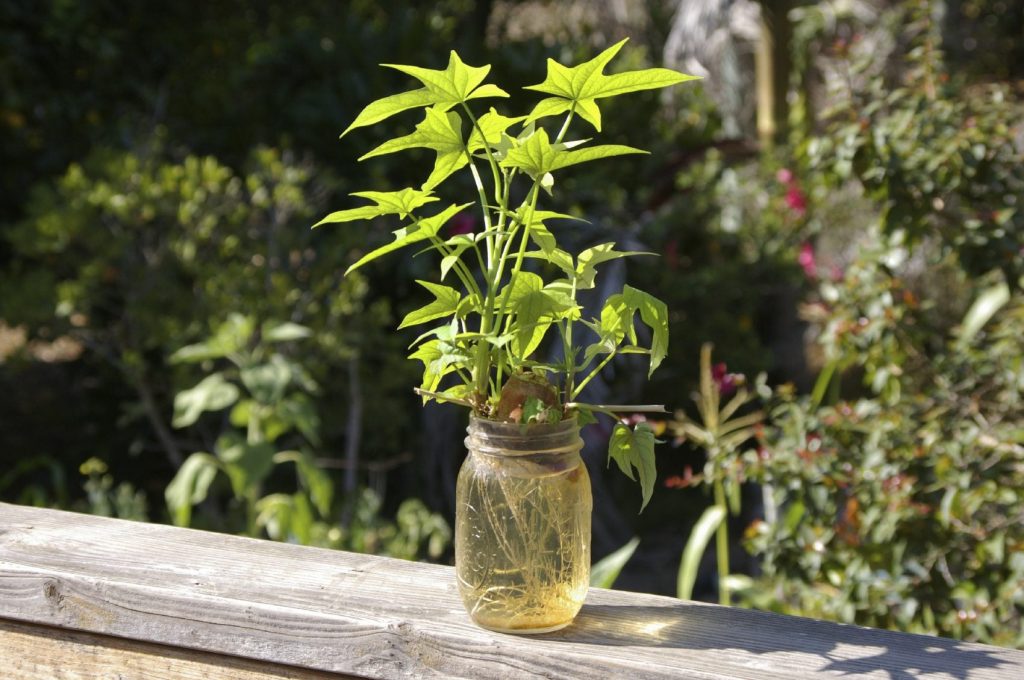
- Sit it half-submerged in water (or in damp compost).
- Keep it warm and bright.
- Wait for shoots to grow to around 10–15cm.
- Twist slips off and place them in water until they root.
- Fix in 10 minutes: slips keep going mouldy in water
This usually happens when the water sits too long or the potato has a damaged patch.
Refresh water every 1–2 days
Use a clean jar
Trim away any soft or damaged bits
Move it slightly warmer (but not in direct heater blast)
If your home runs cool, gentle heat speeds everything up. A small seedling heat mat can be a game-changer for starting slips indoors.
Step 2: Best pot size and soil for indoor sweet potatoes
Sweet potatoes don’t like sitting wet, and they also don’t like being cramped.
Aim for:
30–50L container for 1–2 slips
A compost mix that drains well (think “fluffy”, not dense)
A simple indoor-friendly mix:
70% multi-purpose compost
30% perlite or orchid bark (for airflow)
If you’re unsure what “good drainage” looks like indoors, your improve indoor plant drainage post is a perfect companion.
Avoid this mistake: planting slips too close
Crowded slips grow a jungle of vine but often form fewer tubers.
1 slip per medium container
2 slips max in a 50L bag (and only if you train the vines neatly)
Step 3: Light needs (and where most people go wrong)
Sweet potatoes indoors fail for one reason more than any other: not enough usable light.
They can survive as a leafy vine in medium light, but tubers need:
bright window light, ideally several hours a day
or extra light in winter / darker rooms
If you’re still building your lighting setup, link to your main hub: best lights for indoor gardening.
What to do if the vine goes long and leggy
That’s classic low light.
Move closer to the window
Rotate the pot twice a week
Pinch the tips to encourage bushier growth
Consider supplemental light if it’s winter or north-facing
Step 4: Watering and feeding sweet potatoes indoors
Sweet potatoes like consistent moisture, but they hate soggy compost.
Watering rule that works indoors:
Water when the top 2–3cm feels dry
Then water thoroughly and let excess drain away
Feed:
Once the vine is actively growing, a light feed every 2–3 weeks is plenty
Avoid very high nitrogen feeds (huge leaves, fewer tubers)
A simple option is a balanced liquid tomato fertiliser.
A useful trusted reminder:University Extension guidance on container-grown sweet potatoes backs the idea that warmth + well-drained compost matters more than heavy feeding.
Step 5: Training the vine indoors (so it doesn’t take over your room)
Give the vines a plan early:
Train along a window frame (with clips)
Let it trail from a high shelf
Use a small trellis in the container
Quick win: harvest the leaves (greens)
Sweet potato leaves are edible (cook like spinach).
Harvest by pinching tips regularly — it keeps growth tidy and can reduce the “wild vine” problem indoors.
When to harvest sweet potatoes indoors
You’ll know tubers are likely forming when:
The plant has had warmth + strong light for months
The vines are mature
You’ve kept watering consistent without waterlogging
Harvest timing:
Usually 90–140 days after planting slips (variety + conditions)
Signs it’s time:
Leaves yellowing naturally
Growth slows down
You’re approaching the end of your warm season indoors (or you’re done with the vine)
Tip: harvest gently — tubers can be smaller and close to the surface in containers.
FAQs
Can I grow sweet potatoes indoors just in water?
You can sprout slips in water, but you won’t reliably grow tubers in water alone. For tubers, you need compost and space.
How many slips should I plant per pot?
Indoors, 1 slip per medium container is the safest. Two slips only in a very large container with good light.
Why are my sweet potatoes only growing leaves?
Usually light is too low or the container is too small. Indoors, tubers are the “hard mode” outcome — leaves are the easy one.
Do sweet potatoes need full sun indoors?
They need the brightest light you can give them. A bright window can work; winter setups often need extra light for strong growth.
Are sweet potato leaves safe to eat?
Yes — cook them like spinach. Harvest small amounts regularly rather than stripping the plant.
Final Thoughts on Growing Sweet Potatoes Indoors
If you want the best chance of tubers indoors, focus on three things: warmth, light, and container size. Even when tubers stay small, you still get a fast-growing vine and edible greens, which makes this a solid indoor edible project.
Related Articles
KEEP INDOOR EDIBLES GROWING STRONG
Grow More Indoor Veg With Less Guesswork
Want better harvests indoors? Learn the simple setup tweaks that make vegetables grow faster, stay healthier, and waste less space — even on a windowsill.