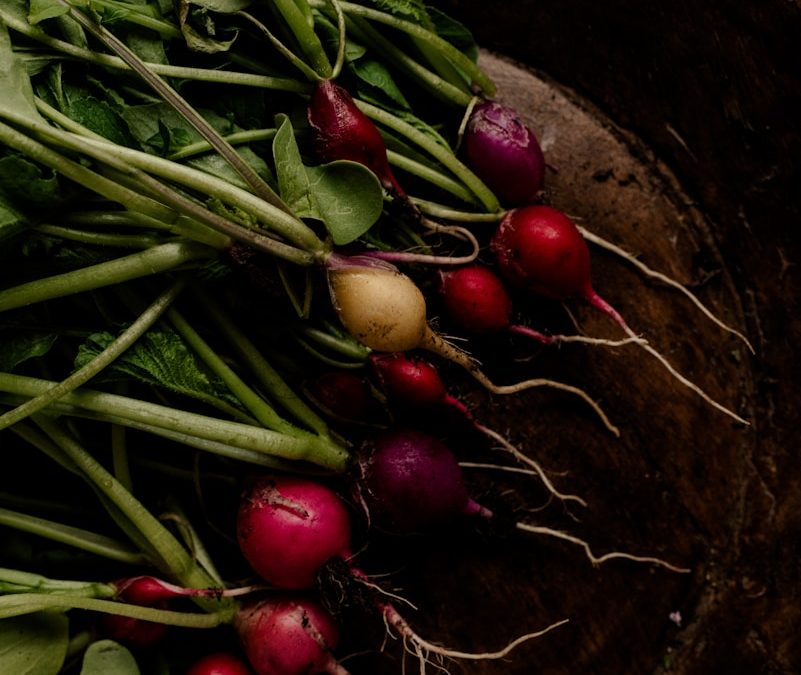
To grow radishes indoors, you need strong light, a shallow container with drainage, and compost that stays evenly moist (not soggy). Done right, you can be harvesting crisp radishes in just a few weeks.
Contents
- 0.1 Why radishes are one of the best indoor vegetables
- 0.2 Best radish varieties for indoor growing
- 0.3 The right container and compost (this prevents most issues)
- 0.4 How to sow radishes indoors (step-by-step)
- 0.5 Light: the difference between crisp radishes and leafy disappointment
- 0.6 Watering radishes indoors (simple and reliable)
- 0.7 Feeding: do indoor radishes need fertiliser?
- 0.8 When to harvest indoor radishes (and how to stop them going woody)
- 0.9 Common problems and fast fixes
- 0.10 FAQs About Growing Radishes Indoors
- 0.11 Final Thoughts on Growing Radishes Indoors
- 0.12 Related Articles
- 1 Struggling With Low Light Indoors?
Quick answer: how to grow radishes indoors
Pick fast salad radish seeds (small, quick varieties)
Use a shallow pot/trough at least 10–15cm deep, with drainage holes
Sow thinly, then thin seedlings so roots can swell
Keep compost consistently moist
Give the brightest light you can (radishes hate low light)
Harvest early for the best crunch and mild flavour
Do this first: Put your container in its final bright spot before you sow, so seedlings don’t stretch while you “figure out placement”.
Why radishes are one of the best indoor vegetables
Radishes are perfect for indoor growing because they’re:
Fast (you see progress quickly)
Compact (they don’t need a huge pot)
Forgiving (as long as light and moisture are steady)
They’re also a great confidence-builder if you’re trying to get more consistent results with indoor edibles. If you’re choosing what to grow next, Best Vegetables for Indoor Gardening has more easy options that suit windowsills and small spaces.
Best radish varieties for indoor growing
For indoor success, stick to “salad radish” types that mature quickly and don’t need loads of space. Look for phrases like:
fast maturing
round salad radish
ready in 25–35 days
Avoid giant or slow radishes until you’ve nailed light levels and watering rhythm.
The right container and compost (this prevents most issues)
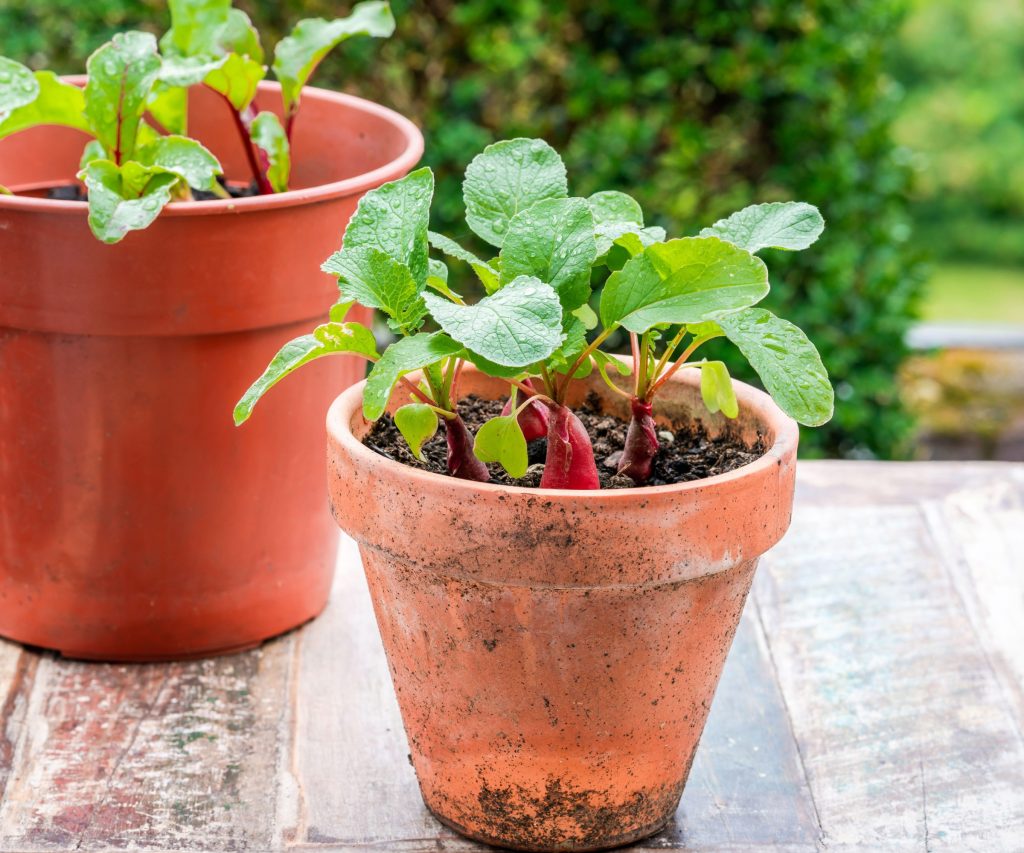
Radishes don’t need a deep bucket. They need width, drainage, and compost that doesn’t turn into mud indoors.
Container tips
Aim for 10–15cm depth minimum
Wider is better than deeper (roots need room sideways)
Drainage holes are non-negotiable
A simple container that works well on a windowsill is a rectangular window box planter with drainage holes.
Compost tips
Use a light, free-draining compost (not heavy garden soil)
If your compost tends to stay wet for days, mixing in perlite for potting mix can help roots breathe and reduces that “stale compost” risk.
If you want a simple reference for getting indoor compost structure right (especially for edible pots), Indoor Vegetable Garden Soil is a useful follow-on.
How to sow radishes indoors (step-by-step)
Radishes are easy, but spacing is everything indoors.
- Fill your container and water the compost so it’s evenly damp (not soaked).
- Sow seeds about 1cm deep.
- Space seeds roughly 2–3cm apart (you’ll thin them).
- Cover lightly, mist or water gently, and keep in bright light.
Thin seedlings once they’re up:
For small salad radishes, aim for 4–6cm spacing between plants.
If you skip thinning, you’ll usually get lots of leaves and tiny roots.
For reliable harvests, sowing small batches regularly is often the easiest approach with fast crops like radishes — and advice from the Royal Horticultural Society on growing radishes supports sowing little and often to spread harvests.
Light: the difference between crisp radishes and leafy disappointment
Indoors, radishes need better light than people expect. If seedlings stretch, you’ll often get:
tall leafy tops
tiny roots (or none)
slower growth
If you’re unsure whether your windowsill is bright enough, Best Lights for Indoor Gardening makes it simple to judge.
Quick rule: If your radish seedlings lean hard toward the window, rotate the container every few days so growth stays even.
Watering radishes indoors (simple and reliable)
Radishes taste best when compost stays evenly moist. Big swings (dry → flood → dry) often cause:
tough roots
splitting
hotter/stronger flavour
A watering routine that works indoors
Water gently when the top 1–2cm feels just drier
Don’t leave water sitting in the saucer
If the container feels heavy, it usually doesn’t need more yet
If you like having a simple weekly checklist so watering stays steady, Indoor Plant Maintenance Routine is a handy next read.
Feeding: do indoor radishes need fertiliser?
Usually, no. Radishes are quick. Fresh compost often provides enough nutrition for a full mini crop.
Feed only if:
growth is slow and light is already strong
leaves look pale after a couple of weeks
If you do feed, keep it gentle. If you’re not sure what “gentle” means indoors, Liquid Fertilizer breaks it down simply.
When to harvest indoor radishes (and how to stop them going woody)
Harvesting on time is the difference between “wow” and “why are these so tough?”
How to tell they’re ready
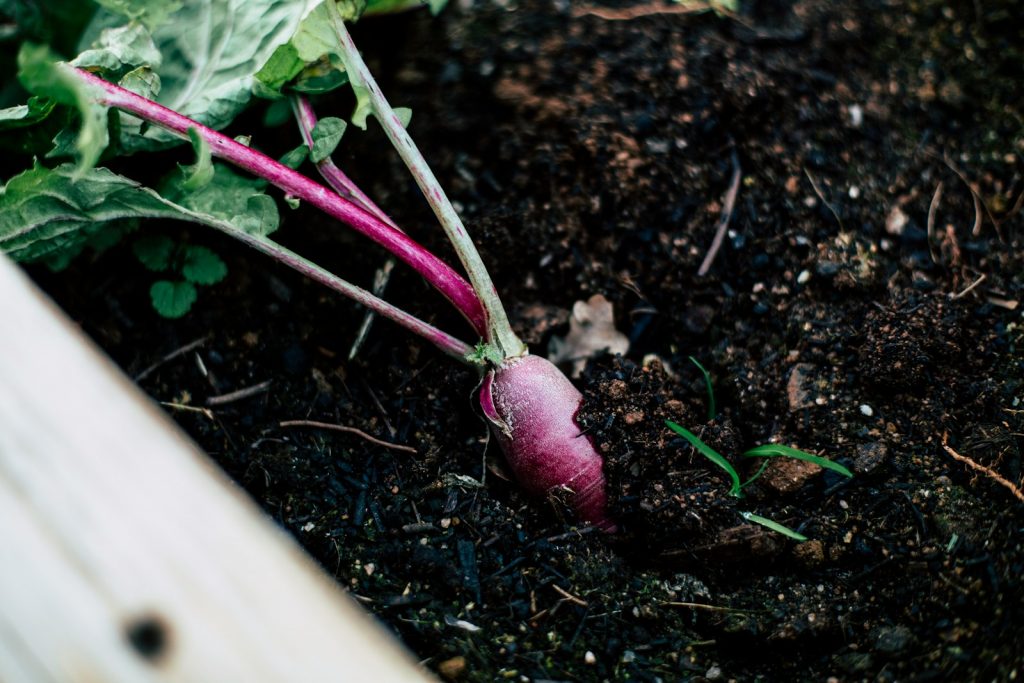
The top of the radish (“shoulder”) starts to show at the soil surface
It looks roughly golf-ball size (often smaller is better indoors)
Harvest earlier for best results
Overgrown radishes can turn woody and hotter tasting. If you’re growing indoors for the first time, pick a few early and taste-test rather than waiting for a perfect size.
Common problems and fast fixes
Leaves look great but roots are tiny
Almost always light or spacing.
Increase light
Thin properly
Rotate the pot
Radishes split
Usually inconsistent watering (too dry, then too wet).
Keep moisture steadier
Water a little more often, but less each time
Compost smells “off”
That’s usually trapped water + slow drying indoors.
Empty saucers
Water less often
Improve drainage next time
If that smell keeps returning, Why Indoor Plant Soil Smells Bad explains the most common causes and quick fixes.
Fungus gnats show up
They love damp compost.
Let the top layer dry slightly between waterings
Improve airflow around the pot
If they keep coming back, Fungus Gnats helps you fix it quickly.
FAQs About Growing Radishes Indoors
Can I grow radishes indoors all year?
Yes, but growth is slower in darker months. Strong light and steady moisture matter more in winter.
How long do radishes take indoors?
Many salad radishes are ready in around 4–6 weeks, depending on light and temperature.
Do radishes need deep pots?
Not very deep — 10–15cm is usually enough for small salad radishes, as long as the container is wide and drains well.
Why do my radishes taste too spicy?
Heat, slow growth, and inconsistent watering can make flavour stronger. Harvest earlier and keep compost evenly moist.
Final Thoughts on Growing Radishes Indoors
If you want a fast indoor vegetable that actually feels rewarding, radishes are hard to beat. Keep them in bright light, thin seedlings properly, and aim for steady moisture — then harvest early for crisp roots and mild flavour. Once you’ve done one pot, sow another small batch and you’ll always have something close to harvest.
Related Articles
LIGHTING MADE SIMPLE
Struggling With Low Light Indoors?
Get the simple grow-light basics (type, distance, and timing) so your plants stop stretching and start growing again.