If you want to grow peanuts indoors, the big win is control: steady warmth, consistent light, and fewer weather setbacks. The challenge is peanuts need time, strong light, and the right soil depth to form pods.
If you’re building out your “indoor edibles” content, you can also read Growing Exotic Fruits and Vegetables Indoors.
Quick answer: how to grow peanuts indoors successfully
Use a wide pot (or grow bag) with loose, deep compost
Keep them warm and in strong light for most of the day
Once flowers appear, don’t disturb the plant — pods form under the soil
Keep soil evenly moist, never waterlogged
Expect 90–150 days from sowing to harvest indoors (variety + conditions)
Do this first: Choose a short-season peanut variety (often sold as “Valencia” or “Spanish” types) — it massively improves your chances indoors.
Contents
- 0.1 Grow peanuts indoors the simple way (what peanuts actually need)
- 0.2 Can you grow peanuts from supermarket peanuts?
- 0.3 Best pot size and soil mix for indoor peanuts
- 0.4 Light and warmth: the “make or break” part indoors
- 0.5 Step-by-step: how to plant peanuts indoors
- 0.6 Watering and feeding without causing rot
- 0.7 The key moment: flowers, pegs, and peanuts forming
- 0.8 Long-tail fixes (quick answers for common indoor problems)
- 0.9 When to harvest peanuts grown indoors
- 0.10 FAQs About Growing Peanuts Indoors
- 0.11 Final Thoughts on Growing Peanuts Indoors
- 0.12 Related Articles
- 1 Explore Essential Indoor Gardening Tools & Tips
Grow peanuts indoors the simple way (what peanuts actually need)
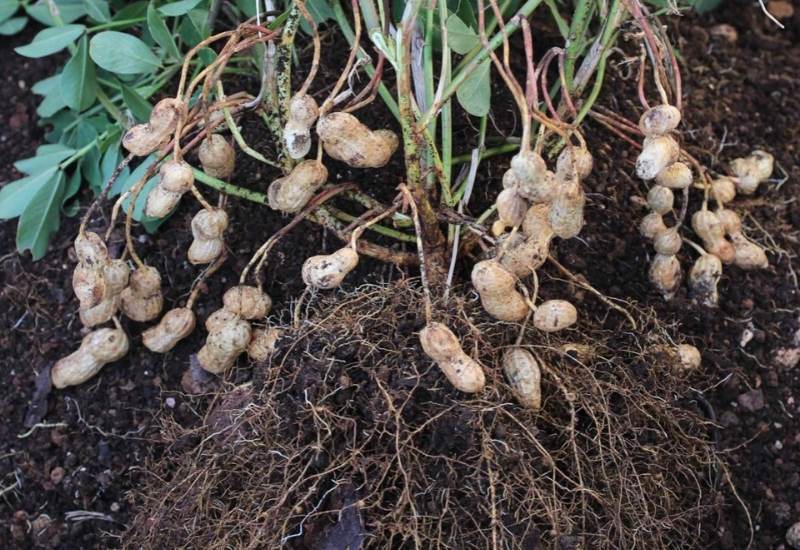
Peanuts are not a tree nut — they’re a legume. The plant flowers above the soil, then sends “pegs” down into the compost where the peanuts form.
To make that happen indoors, you need:
Warmth: consistent room-warm temperatures (cool rooms stall growth)
Bright light: a sunny window can work, but strong supplemental light helps a lot
Loose compost: pegs can’t push into hard, compacted soil
Depth and space: pods need room to form under the surface
Can you grow peanuts from supermarket peanuts?
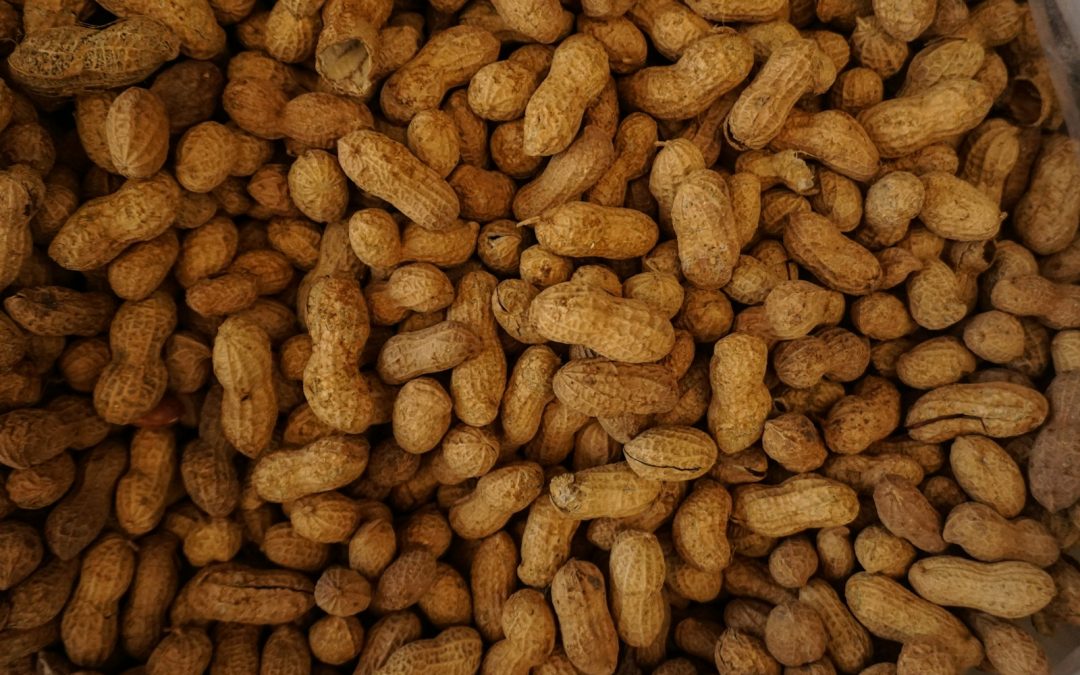
Yes — but only if they’re raw and still in-shell. Most shelled “snack peanuts” are roasted, salted, or processed and won’t sprout.
What to buy or look for
Raw peanuts in the shell (best chance of viability)
No mouldy smell, no shrivelled kernels
If you can, buy “seed peanuts” from a gardening supplier for reliability
Quick sprouting test
Soak a few raw peanuts overnight, wrap in damp kitchen roll, and keep warm for a few days. If nothing happens, switch source rather than waiting weeks.
Best pot size and soil mix for indoor peanuts
This part matters more than most people think.
Pot choice (what works best)
Peanuts do best in something wide rather than tall:
Minimum: 30 cm wide pot
Better: 35–45 cm wide so the plant can spread and peg freely
A breathable container helps avoid soggy compost indoors — a wide fabric grow bag is ideal for this
Soil mix (keep it loose)
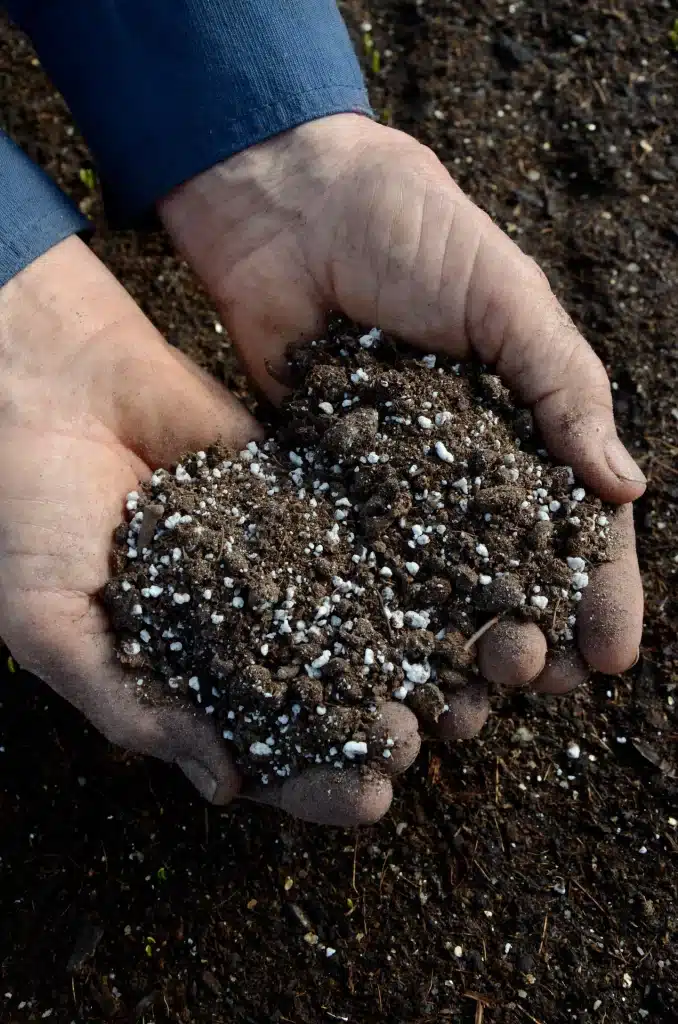
Aim for light, crumbly compost:
70% multi-purpose compost
30% perlite / grit / coco coir (choose one)
If your indoor mixes tend to stay wet or compacted, this pairs well with Best Indoor Plant Soil Mix.
Light and warmth: the “make or break” part indoors
Peanuts want long, bright days. Indoors, weak light is the #1 reason you get leaves but no pods.
Light target
Brightest window you have (south-facing is best)
If light is limited, use a grow light for consistent results
f your window light is limited, a full-spectrum LED grow light panel gives peanuts the stronger, steadier light they need to flower and form pods.
If you’re using a grow light, grow light placement for indoor plants makes a bigger difference than most people think — even moving the light a few centimetres can change growth speed.
Warmth target
Keep plants away from cold glass and draughts
If your room drops cool at night, growth slows fast
Mini-fix in 10 minutes: Move the pot off the windowsill at night and back to the light in the morning.
Step-by-step: how to plant peanuts indoors
- Fill your pot with loose compost and water it so it’s evenly damp (not soggy).
- Plant peanuts about 2–4 cm deep, spaced apart.
- Keep warm and bright. Sprouting can take 7–14 days (sometimes longer).
- Once seedlings are up, thin to the strongest plants if the pot is crowded.
What to do after sprouting
Keep soil lightly moist
Don’t overfeed early — too much nitrogen can mean lots of leaves and fewer pods
Rotate the pot weekly so the plant doesn’t lean
If you’re juggling a few plants at once, a simple weekly check helps you stay consistent — indoor plant maintenance routine.
Watering and feeding without causing rot
Watering is a balancing act: too dry stalls growth, too wet causes rot and fungus.
Watering rule that works
Water when the top couple of centimetres feels dry
Always let excess water drain away
Feeding (keep it light)
Once the plant is established and growing strongly:
Feed lightly every few weeks with a balanced feed
If you overfeed, you often get a huge plant and disappointing harvest
If you’re new to feeding edible plants indoors, this liquid fertiliser breakdown explains what to use and how not to overdo it
The key moment: flowers, pegs, and peanuts forming
This is where indoor peanut growing feels “weird” if you’ve never seen it.
What you’ll notice
Yellow flowers appear above the compost
After pollination, a thin stem (“peg”) grows downward into the soil
The peanut forms underground at the end of that peg
How to help pods form indoors
Keep the compost loose
Don’t compact the soil surface
Avoid moving or repotting once flowering starts
A useful trusted reference: University of Georgia Extension peanut growing advice mentions peanuts form pods underground after flowering, which is why loose soil and warmth matter.
Long-tail fixes (quick answers for common indoor problems)
Why is my peanut plant flowering but not making peanuts?
Common reasons:
not enough light intensity
pot too small or soil too compacted
plant is being moved or disturbed during pegging
Fast fix: increase light and stop shifting the pot around once flowers start.
What if the flowers fall off?
That can happen if:
air is too dry
watering swings from dry to soaked
light is weak
Do this: keep moisture steady and place the plant somewhere more stable (not next to a radiator blast or cold window).
Why are there no pegs going into the soil?
Usually:
compost surface is crusted/hard
plant is under stress (cold/light issues)
Fix in 10 minutes: gently loosen only the top layer of compost (carefully) and improve light/warmth.
Can peanuts grow indoors all year?
Technically yes, but growth is easiest when your home is warmer and brighter (late spring into autumn). In darker months you’ll almost always need supplemental light.
When to harvest peanuts grown indoors
Most indoor-grown peanuts are ready when:
the plant starts yellowing and slowing down
leaves look tired and the plant seems “finished”
Harvest steps
- Stop watering for a few days so compost dries slightly
- Tip the plant out gently
- Pick pods from the roots
- Dry pods somewhere airy before storing
Indoor peanuts take time, so it helps to compare them with other slow-but-rewarding crops like how to grow indoor ginger.
FAQs About Growing Peanuts Indoors
How long does it take to grow peanuts indoors?
Usually 3–5 months depending on variety, warmth, and light strength.
Do peanuts need a big pot?
Yes — they need width and loose compost so pegs can push down and pods can form.
Can I grow peanuts indoors without a grow light?
Sometimes, if you have a very bright window. But results are far more reliable with extra light.
How many peanuts will one plant produce indoors?
It varies a lot. A healthy indoor plant can produce a small handful of pods, but it’s not usually a huge harvest indoors.
Final Thoughts on Growing Peanuts Indoors
If you keep just two things in mind, you’ll avoid most indoor peanut failures: strong light and loose, deep compost. After that, it’s mainly patience and not disturbing the plant once it starts flowering.
Treat it like a slow indoor crop, keep conditions steady, and you’ve got a real shot at harvesting your own peanuts from a pot.
Related Articles
MAKE INDOOR GROWING FEEL EASY
Explore Essential Indoor Gardening Tools & Tips
Growing peanuts indoors is much simpler when your light, watering, and pot setup stay consistent. A few smart basics can help you avoid weak growth and improve your chances of a real harvest.