
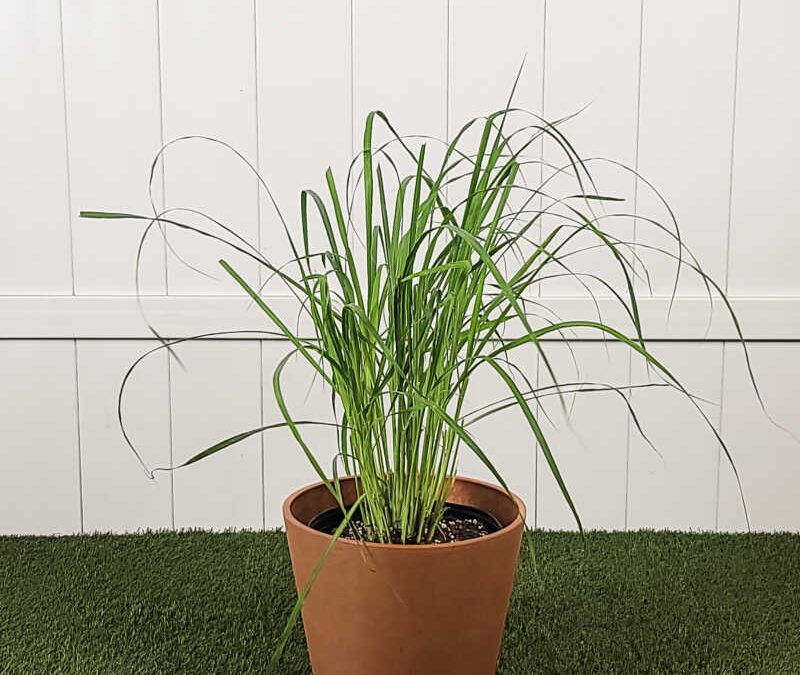
If you want to grow lemongrass indoors, the easiest method is starting with fresh supermarket stalks and rooting them in water, then potting them up in a warm, bright spot.
Quick answer: how to grow lemongrass indoors
Buy fresh, firm stalks (green base, not dried out)
Root in a jar of water for 1–3 weeks until roots are 2–5cm
Pot into a free-draining mix in a medium/deep pot
Keep it warm and very bright (a grow light helps in winter)
Water when the top couple of cm feels dry; don’t leave it sitting in water
Harvest by cutting outer stems and leaves—new growth keeps coming
Do this first: Choose the brightest windowsill you have (south-facing if possible) and decide where the pot will live long-term—lemongrass hates being moved around once it’s settled.
Contents
- 0.1 What you need to grow lemongrass indoors
- 0.2 Step 1: Choose the right lemongrass stalks
- 0.3 Step 2: Root lemongrass in water (the easiest method)
- 0.4 Step 3: Pot it up the right way (this is where most indoor attempts fail)
- 0.5 Where to place it indoors for faster growth
- 0.6 Watering lemongrass indoors (simple routine)
- 0.7 Feeding: do you need fertiliser for lemongrass indoors?
- 0.8 Harvesting lemongrass indoors (without killing the plant)
- 0.9 Long-tail fixes and fast answers
- 0.10 Final Thoughts on Growing Lemongrass Indoors
- 0.11 Related Articles
- 1 Turn One Pot Into a Year-Round Flavour Corner
What you need to grow lemongrass indoors
Lemongrass is forgiving, but indoors it grows best when you nail light + warmth + drainage.
Light: Bright window; add a grow light if growth is slow or pale
Warmth: Consistent warmth beats “hot then cold” swings
Pot + drainage: A pot with real drainage holes (not just a decorative cover pot)
Step 1: Choose the right lemongrass stalks
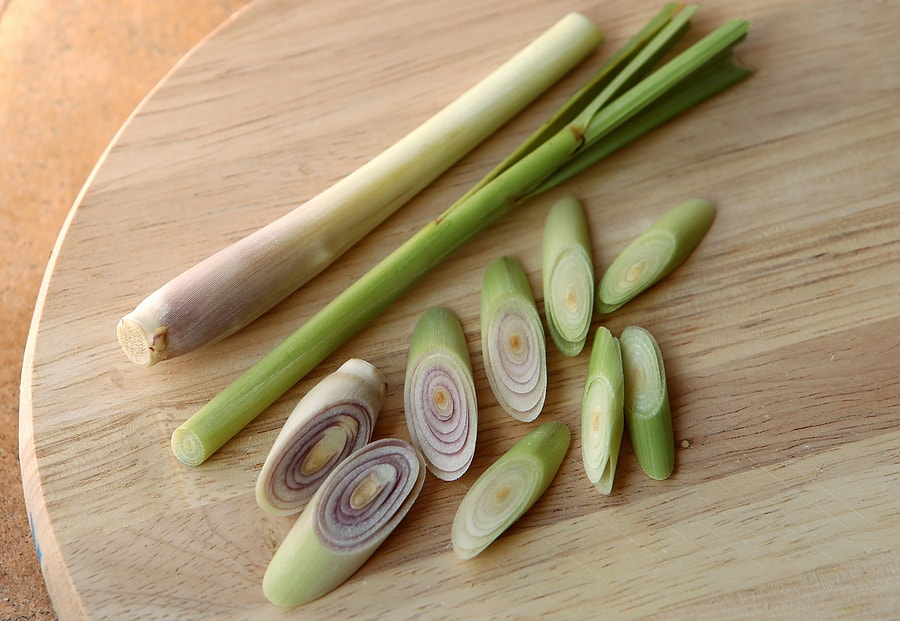
Pick stalks that are:
Firm and heavy for their size
Pale green at the base (not brown and shrivelled)
Ideally with a little root nub still visible
Avoid stalks that feel dry, split, or hollow.
Step 2: Root lemongrass in water (the easiest method)
Rooting in water is the “success-rate” approach indoors.
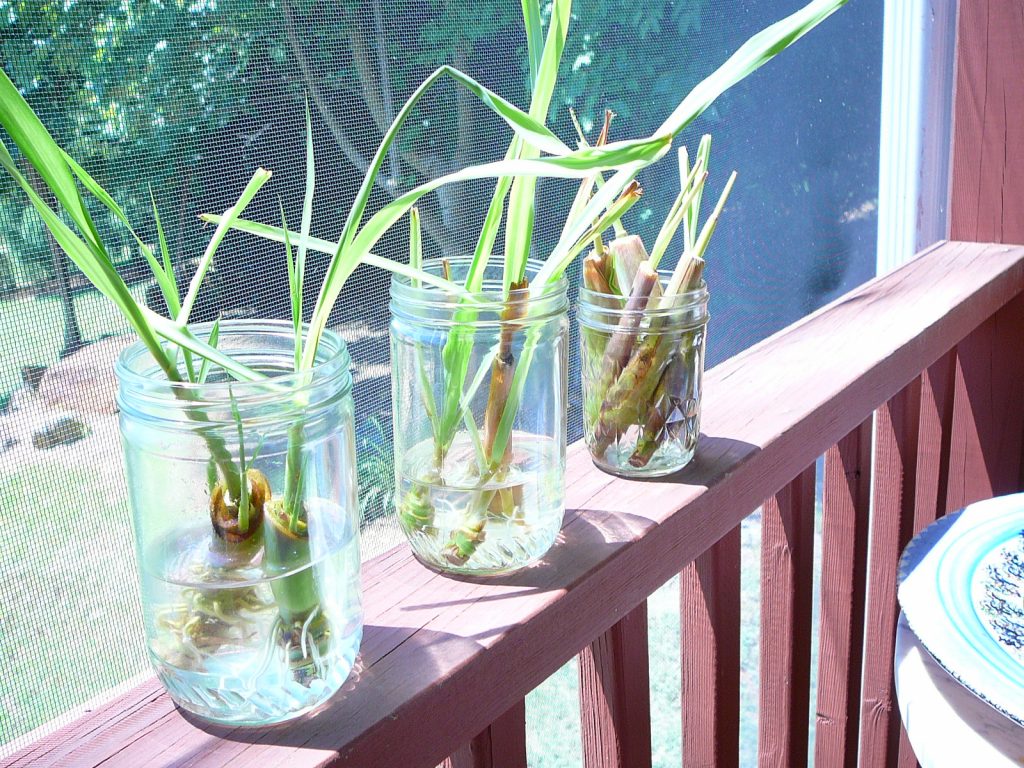
- Trim the tops down so each stalk is about 15–20cm tall
- Remove any loose outer layers (don’t peel it to nothing—just tidy)
- Stand stalks upright in a jar with 2–4cm of water covering the base
- Put it somewhere bright and warm, but not in full scorching sun behind glass
- Change the water every 2–3 days
You’re ready to pot up when roots are 2–5cm long (often 1–3 weeks).
Step 3: Pot it up the right way (this is where most indoor attempts fail)
Lemongrass struggles indoors when the compost stays wet too long. Your goal is moist but airy, not soggy.
Choose a medium to deep pot with drainage holes
Use a free-draining mix (multi-purpose compost + extra perlite/grit works well)
Plant the stalk so the base sits firmly, then water once to settle
If you’re putting it inside a decorative outer pot, make sure you can lift the inner pot out to empty trapped water.
For an easy upgrade, look for an indoor plant pot with drainage and a saucer so excess water actually leaves the root zone instead of pooling at the bottom.
Where to place it indoors for faster growth
Lemongrass indoors usually fails for one reason: not enough light.
Best spot: brightest window you’ve got
Rotate the pot weekly for even growth
If it looks tall, thin, or pale: it needs stronger light, not more water
If you want a clear guide to what “good indoor light” actually looks like, Best Lights for Indoor Gardening fits well.
Watering lemongrass indoors (simple routine)
Lemongrass likes consistent moisture, but it hates sitting in water.
A routine that works:
Water until a little drains out
Empty the saucer after 10–15 minutes
Water again when the top 2–3cm feels drier (not bone dry)
If you’re trying to keep watering consistent so pots don’t swing between dry and soaked, Indoor Plant Maintenance Routine works as a simple weekly checklist.
Feeding: do you need fertiliser for lemongrass indoors?
Lemongrass isn’t a heavy feeder, but indoors it responds well to light, gentle feeding during active growth.
Feed monthly in spring/summer
Skip feeding in winter if growth slows
If leaves go pale but the compost is fine, it’s often light, not food
A gentle, beginner-friendly choice is a seaweed plant feed diluted in your watering can during active growth.
Harvesting lemongrass indoors (without killing the plant)
Harvest little and often so the plant stays productive:
Snip leaves for teas and cooking anytime
For stalks, cut outer stems at the base and leave the inner centre growing
Don’t strip it bare—leave enough leaf to keep photosynthesis going
For neat harvesting, micro-tip pruning snips make clean cuts and help the plant regrow more evenly.
Long-tail fixes and fast answers
Why lemongrass leaves turn brown indoors
Most common causes:
Air too dry (radiator heat)
Underwatering followed by a big soak
Low light + wet compost (roots get stressed)
Fix in 10 minutes: Trim brown tips, move to brighter light, and make sure excess water can drain away.
Can you grow lemongrass indoors in water only?
You can keep it alive short-term, but it won’t thrive long-term without potting up. Water-only tends to cause weak growth and stalled size.
Why it smells weak (not lemony)
Weak scent usually comes from low light. More light = more oils = stronger fragrance.
How long until you can harvest?
You can usually cut leaves within a few weeks. Thick stalk harvests take longer—think months, not days.
Final Thoughts on Growing Lemongrass Indoors
If you get roots first, then give it bright light, warmth, and drainage, lemongrass is one of the easiest “edible indoors” wins. Keep watering steady, don’t let it sit in water, and harvest little and often so it keeps pushing fresh growth.
Related Articles
KITCHEN HERBS, MADE EASY
Turn One Pot Into a Year-Round Flavour Corner
Lemongrass is just the start. Build a simple indoor edible routine (light, watering rhythm, and quick checks) so your herbs keep growing instead of stalling.