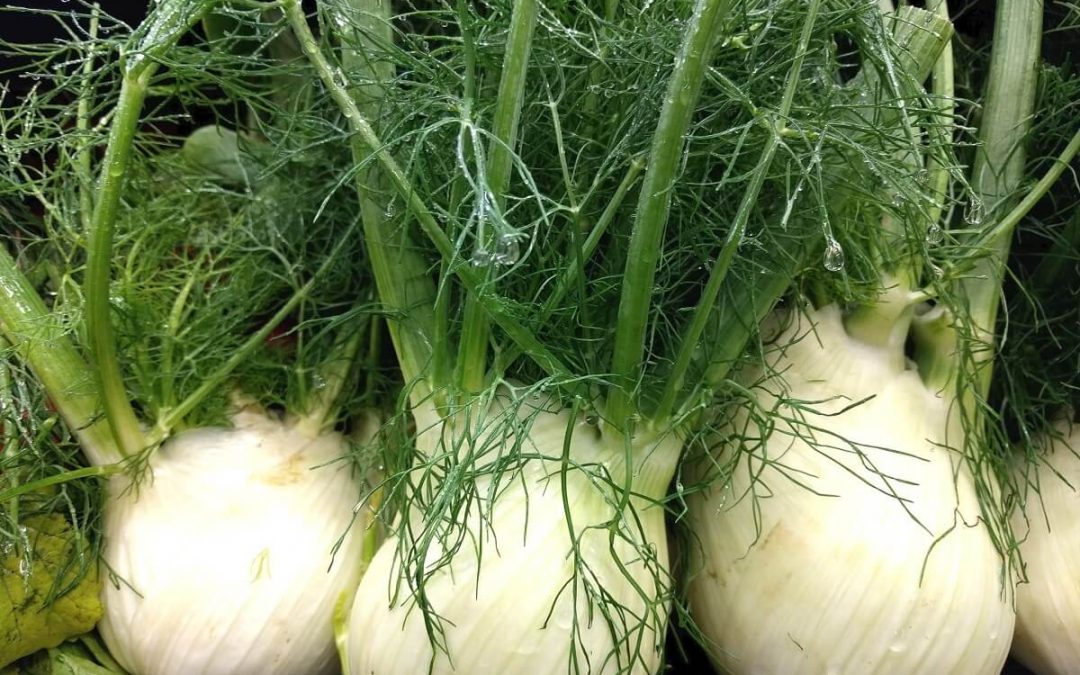
If you want to grow fennel indoors, the easiest approach is to grow it mainly for its feathery leaves and stems, not for big outdoor-style bulbs. Indoors, fennel needs strong light, a deeper pot, and steady watering without soggy compost. Get those right and it can be a useful, fragrant edible plant for a bright windowsill or grow-light setup.
Contents
- 0.1 Is fennel worth growing indoors?
- 0.2 Best light for growing fennel indoors
- 0.3 Best pot and soil to grow fennel indoors
- 0.4 How to grow fennel indoors from seed
- 0.5 Watering fennel indoors the right way
- 0.6 Can you grow a fennel bulb indoors?
- 0.7 Feeding fennel indoors
- 0.8 Common fennel problems indoors
- 0.9 Harvesting fennel indoors
- 0.10 FAQs About How to Grow Fennel Indoors
- 0.11 Final Thoughts on Grow Fennel Indoors
- 0.12 Related Articles
- 1 Build a Brighter Setup for Better Leafy Growth
Quick answer: grow fennel indoors
Grow fennel indoors mainly for fronds and young stems rather than large bulbs.
Use a deep pot because fennel develops a long root.
Give it the brightest light possible to stop weak, floppy growth.
Keep compost evenly moist, but never waterlogged.
Sow small batches rather than one huge pot.
Do this first: Decide whether you want fennel for leafy herb-like harvests or to try for a bulb. Indoors, leafy growth is much more realistic.
If you want a simple indoor edible setup that works better in pots, Fastest Growing Indoor Vegetables is a good companion because it helps you balance quicker crops with slower ones like fennel.
Is fennel worth growing indoors?
Yes, but it helps to set the right expectation. Indoors, fennel is usually better as a leaf and stem crop than a full bulb crop.
Why it can still be worth it:
the leaves are fragrant and useful in cooking
it looks attractive indoors with soft, feathery growth
it grows well from seed if the light is strong
you can harvest smaller amounts often
Where people go wrong is expecting supermarket-style bulbs from a small indoor pot with average window light.
Best light for growing fennel indoors
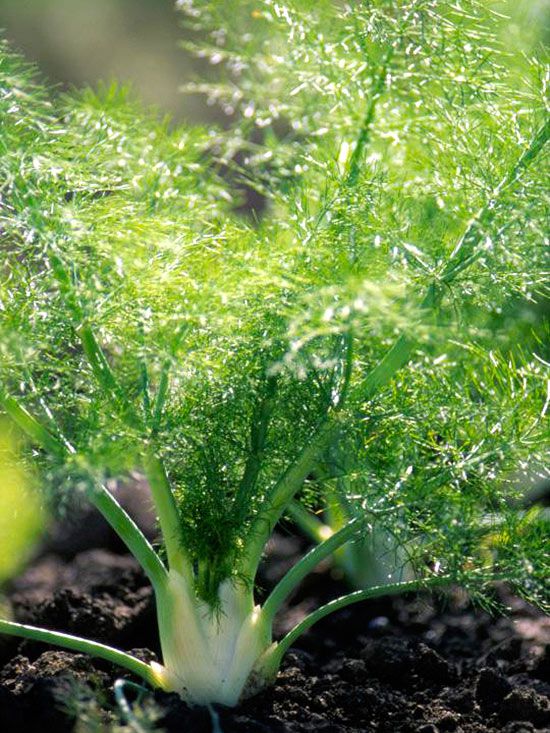
Fennel needs more light than many leafy herbs. Weak indoor light usually causes:
tall, floppy stems
pale colour
slower regrowth
less flavour
A bright south-facing window is the best starting point. If your home is dim or winter light is weak, fennel usually benefits from extra light more than extra feeding.
If you’re unsure whether your current spot is strong enough, Best Lights for Indoor Gardening is the best supporting read because fennel indoors depends heavily on proper light levels.
A full-spectrum grow light for indoor edible plants can help keep fennel more upright and productive when natural light drops.
Best pot and soil to grow fennel indoors
Fennel has a deeper root system than many indoor herbs, so the container matters more than people expect.
A good setup includes:
a deep pot, not a shallow tray
drainage holes
airy compost that doesn’t stay muddy
a saucer you can empty easily
If the pot is too shallow, fennel often becomes stressed more quickly and growth stays weaker. If the compost is too heavy, roots stay wet and the plant stalls.
If your indoor pots tend to stay damp for too long, Improve Indoor Plant Drainage is the best related article to fix the setup before you blame the fennel.
A deep herb or vegetable pot with drainage holes is a better choice than a shallow seed tray if you want stronger fennel growth indoors.
How to grow fennel indoors from seed
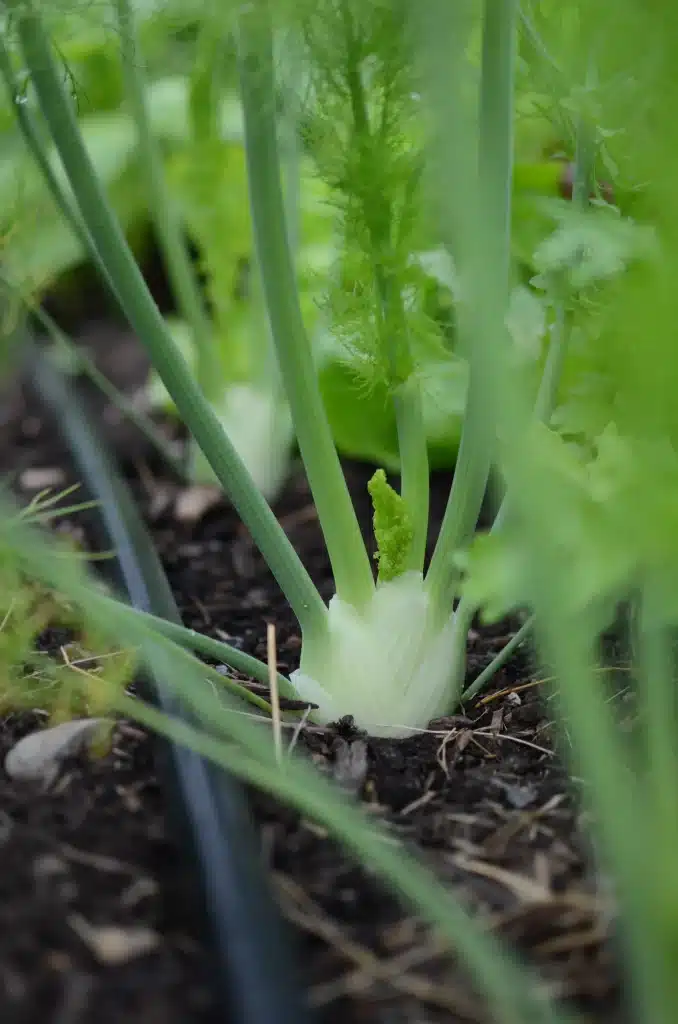
Fennel grows best from seed, and it’s usually easiest to sow it directly where you want it to grow.
Simple seed-starting method
- Fill a deep pot with lightly moist compost.
- Sow seeds thinly and cover them lightly.
- Water gently so you don’t shift the seed around.
- Keep the compost evenly moist until seedlings appear.
- Thin seedlings so they are not crowded together.
Crowded fennel often grows weakly indoors, so thinning matters more than people expect.
If you want another seed-grown edible that works well indoors with a similar sow-and-thin rhythm, Grow Dill Indoors is a useful related read.
Watering fennel indoors the right way
Fennel likes steadier moisture than Mediterranean herbs like thyme or marjoram, but it still hates stagnant wet compost.
A simple watering rhythm:
water thoroughly
let excess drain away
water again when the top starts drying, not when the pot is still heavy
If fennel dries out too hard, it can become stressed and stop growing well. If it stays wet too long, roots struggle and the plant often loses vigour.
If you want an easier way to keep this consistent, Indoor Plant Maintenance Routine fits well here because fennel does better with regular checks than random watering.
Can you grow a fennel bulb indoors?
You can try, but it’s much harder than growing fennel for leaves. A proper bulb needs:
very strong light
a large enough container
enough root room
very steady growth without stress
For most indoor setups, it’s more realistic to grow fennel for:
leafy fronds
younger stems
flavour and garnish use
This is one of those crops where adjusting expectations makes the whole experience much easier.
Feeding fennel indoors
Fennel does not usually need heavy feeding indoors, especially if you are harvesting younger leafy growth rather than trying to build a large bulb.
A good approach:
let seedlings establish first
use only light feeding during active growth
don’t feed heavily in dim light or into soggy compost
A diluted seaweed-based liquid plant feed is a sensible option if fennel has been in the same potting mix for a while and starts looking pale.
If you want a clearer schedule so feeding doesn’t become guesswork, How Often to Fertilize Indoor Plants is the best supporting page to keep it simple.
Common fennel problems indoors
Fennel is tall and floppy
This is usually weak light. Move it brighter or add a grow light before changing anything else.
Growth is very slow
Often caused by low light, a shallow pot, or roots staying too wet.
Leaves are pale
This can be weak light or compost that has been exhausted for too long.
It never forms a bulb
That’s very common indoors. The setup usually supports leafy growth better than bulb development.
A helpful reminder here is that Cornell’s fennel growing guidance treats fennel as a crop that performs best with strong growing conditions and adequate space, which is why indoor growers usually get the best results by focusing on fronds rather than large bulbs.
Harvesting fennel indoors
The easiest way to use indoor fennel is to harvest fronds and smaller stems as needed.
A simple harvesting rule:
snip soft leafy growth regularly
avoid stripping the whole plant at once
harvest from multiple stems rather than one side only
This keeps the plant looking balanced and encourages more usable leafy regrowth.
If you enjoy quick indoor greens and herbs that can be harvested a little at a time, Grow Arugula Indoors is another useful related article for building that kind of edible setup.
FAQs About How to Grow Fennel Indoors
Can fennel grow indoors all year?
Yes, but it will usually perform best in brighter parts of the year unless you use added light.
Is fennel easy to grow indoors?
It is manageable indoors if you focus on leafy growth rather than large bulbs and give it strong light.
Does fennel need a deep pot?
Yes, a deeper pot is much better than a shallow one because fennel develops a longer root system.
Why is my indoor fennel falling over?
This is usually a light problem, sometimes made worse by overcrowding or weak, soft growth.
Final Thoughts on Grow Fennel Indoors
If you want to grow fennel indoors successfully, treat it as a bright-light leafy edible rather than a guaranteed bulb crop. Use a deep pot, keep the compost evenly moist but never heavy and wet, and harvest the fronds regularly. With the right setup, fennel can be a worthwhile indoor plant even in a small space.
Related Articles
Keep indoor edibles productive without overcomplicating them
Build a Brighter Setup for Better Leafy Growth
Fennel indoors becomes much easier when you grow it for fronds, give it strong light, and use a pot deep enough for the roots. Once those basics are right, the plant is far less frustrating to manage.