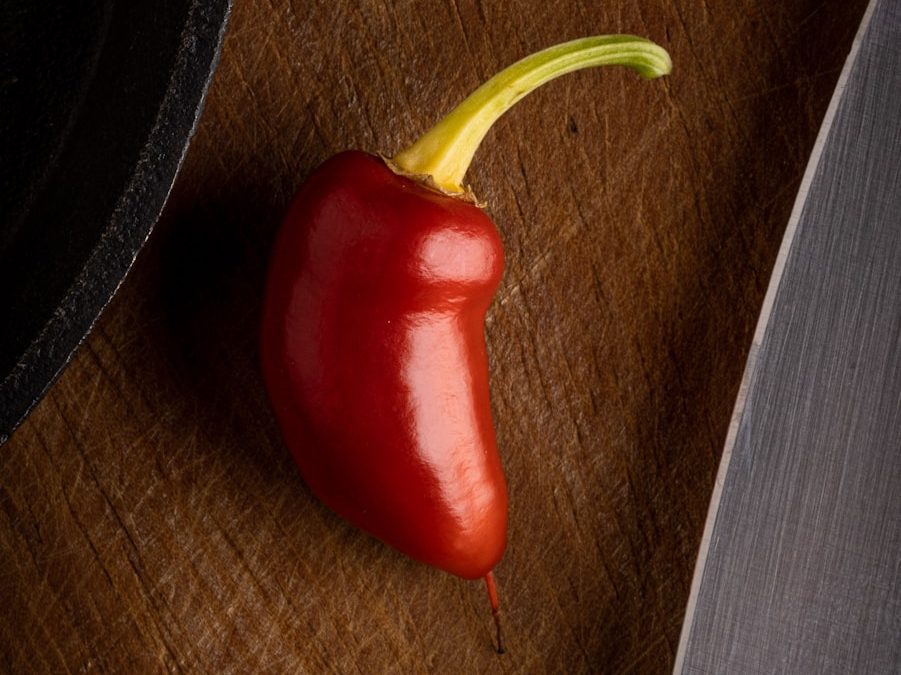
Growing chilli peppers indoors is simple when you get three things right: strong light, steady warmth, and fast drainage. Do that and you can get flowers and fruit even in the UK.
Contents
- 0.1 Why chillies struggle indoors
- 0.2 Best light setup for indoor chilli peppers
- 0.3 The best pots and compost for indoor chillies
- 0.4 How to water chilli peppers indoors (without killing them)
- 0.5 Feeding chillies for more flowers and more pods
- 0.6 Choosing the right chilli varieties for indoors
- 0.7 Pollination tips (the indoor fruit-setting shortcut)
- 0.8 Final Thoughts on Growing Chilli Peppers Indoors
- 0.9 Related Articles
- 1 Fix Drainage Once and Your Plants Grow Better
Quick answer: how to grow chilli peppers indoors
Start with a compact variety and a 10–15L pot
Give 12–14 hours of strong light (especially in winter)
Keep it warm and stable (ideally 20–27°C)
Water deeply, then wait until the top few cm dries
Feed once flowering starts for more pods
Hand-pollinate flowers if fruit won’t set indoors
Do this first: Put your plant in the brightest spot you have and decide now if you’ll add a grow light in winter (most indoor chilli problems come down to light).
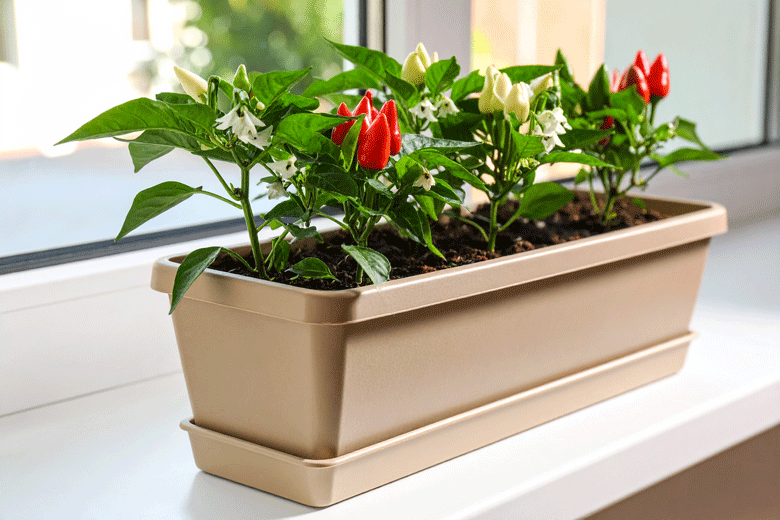
Why chillies struggle indoors
Indoors, chillies usually fail for one main reason: the plant isn’t getting enough usable light to keep growth strong and flowers setting. Warmth and watering matter too, but light is the big lever.
Common indoor issues you’ll see:
Slow, leggy growth
Flowers dropping
Lots of leaves but not much fruit
Compost staying wet for too long
If your plant looks tall and pale, it’s almost always a light problem — our Best Lights for Indoor Gardening guide shows the easiest fixes.
Best light setup for indoor chilli peppers
Chillies are sun-lovers, so you’re aiming for bright, consistent light rather than “a bit of daylight”.
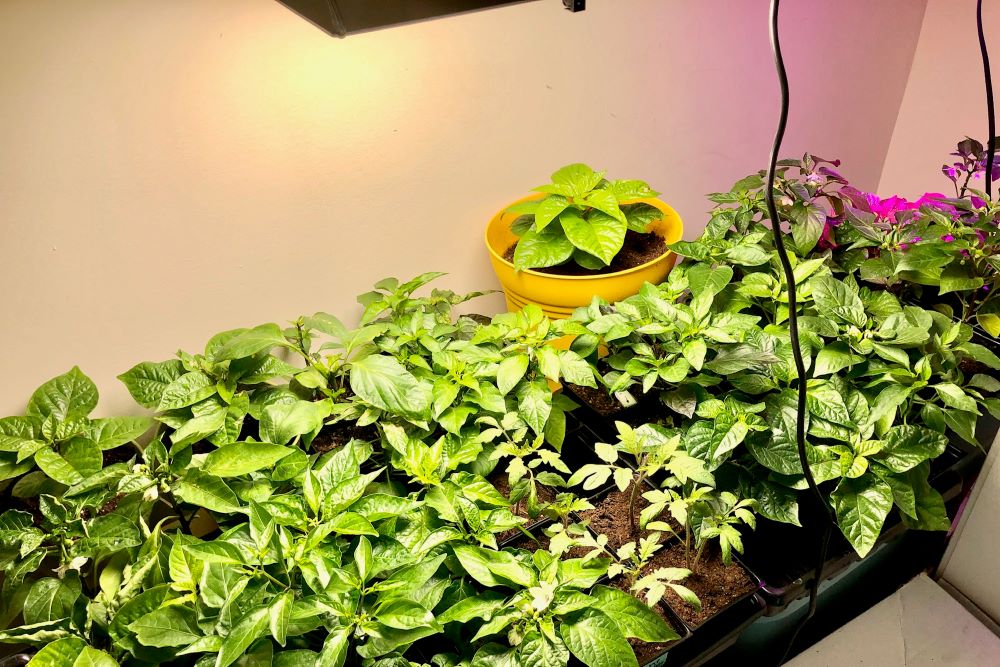
If you’re growing in the UK (or in a darker room), a grow light makes a big difference. A simple option is a full-spectrum LED grow light panel because it gives steady light hours without needing a perfect window.
What to aim for:
12–14 hours of light during active growth
Keep the light close above the plant, not across the room
Rotate the pot weekly if you’re using window light
Why is my chilli flowering but not fruiting?
This is common indoors and usually comes down to pollination and/or light. If flowers open but drop, the plant may not be getting enough light intensity, or the pollen isn’t moving.
Fix in 2 minutes: Tap the main stem gently once per day when it’s flowering, or use a soft brush to move pollen between flowers.
How far should a grow light be from a chilli plant?
Distance depends on the light, but the rule is: close enough to be effective, far enough to avoid heat stress.
If you want to get the placement right without overthinking it, Grow Light Placement explains the easiest setup.
The best pots and compost for indoor chillies
A good pot setup prevents root problems and keeps watering simple. Indoors, the goal is compost that drains well and doesn’t stay wet for days.
Use:
A pot with proper drainage holes
A saucer you can empty
A free-draining compost (not heavy, peat-soggy mix)
If your compost stays wet for ages indoors, a breathable container helps. A wide fabric grow bag is useful because it lets moisture escape more evenly.
Fix in 10 minutes: compost staying wet for days
- Check water isn’t trapped in an outer decorative pot
- Empty the saucer and don’t let it refill
- Move the plant somewhere warmer/brighter for 48 hours
- Next time: water deeply, then wait longer before watering again
How to water chilli peppers indoors (without killing them)
Watering indoors is tricky because pots dry slower, especially in winter. Your job is to avoid constant damp compost.
Use this routine:
Water until it drains out the bottom
Empty the saucer after 10–15 minutes
Don’t water again until the top few cm feels drier (not bone dry, just not wet)
Avoid this mistake: little sips every day
Daily “tiny watering” keeps the root zone permanently damp. That encourages weak roots and indoor pests.
If you keep seeing tiny flies around the compost, Fungus Gnats explains how to stop them fast.
Feeding chillies for more flowers and more pods
Feeding matters once you hit flowering, but too much feed can push leafy growth instead of fruit. Keep it simple and consistent.
A practical option once buds appear is a tomato/chilli liquid feed because it’s made for flowering and fruiting crops.
Simple feeding rhythm:
Start when buds/flowers appear
Feed at label strength
If growth is very leafy and fruit is slow, reduce feeding slightly
A useful reference: the RHS notes chillies crop best with warmth and good light, which is why winter indoor plants often need extra help to keep producing.
Choosing the right chilli varieties for indoors
Variety choice matters because some chillies stay compact and crop earlier, which suits indoor growing.
Look for:
Compact plant size
Earlier fruiting
High flower set
Good indoor-friendly options include jalapeño types, Thai/bird’s eye types, and smaller ornamental-style chillies.
What to do if your chilli plant gets tall and leggy
Leggy growth is almost always low light.
Fix it fast:
Move it to a brighter spot or add a grow light
Rotate the pot weekly
Pinch growing tips to encourage bushiness (don’t strip it bare)
Pollination tips (the indoor fruit-setting shortcut)
Indoors, flowers may not set fruit because there’s no wind or insect activity. Pollination is easy to assist.
Do one of these daily during flowering:
Tap the plant gently
Use a small brush to move pollen
Run a fan on low nearby for airflow
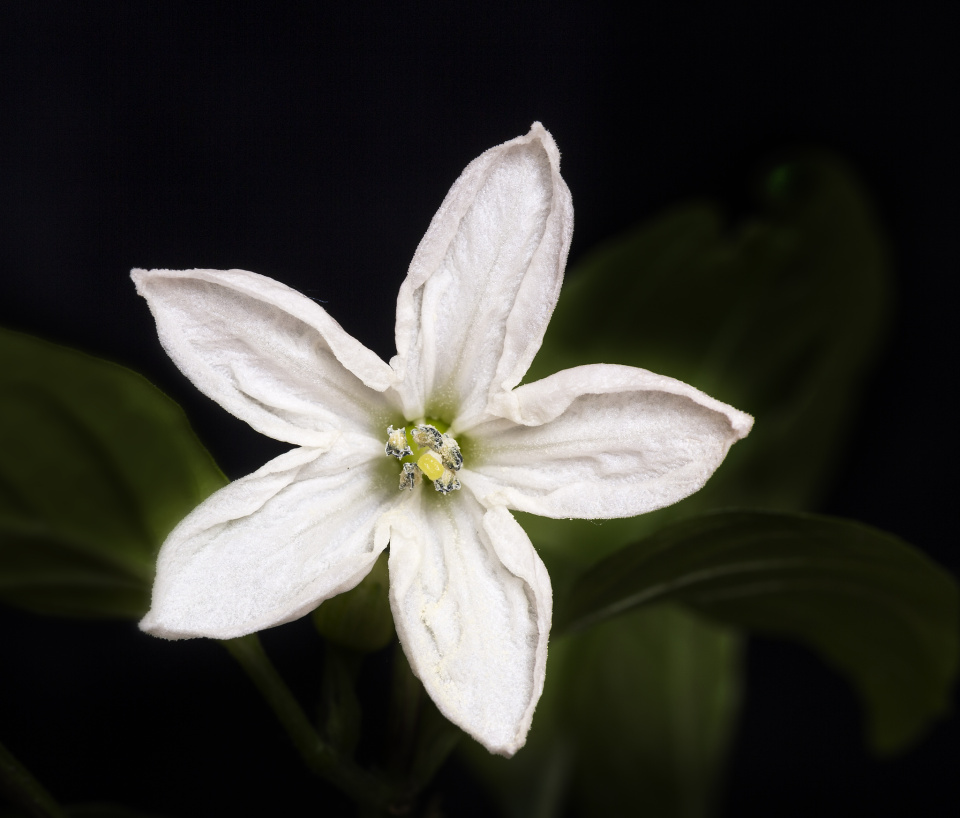
Why chilli flowers drop before opening
Flower drop can happen when:
Nights are too cold near the window
The compost is staying wet
The plant is stressed from low light
Fix those first before you reach for more fertiliser.
Final Thoughts on Growing Chilli Peppers Indoors
If you get light, warmth, and drainage right, indoor chillies are one of the most rewarding edible plants you can grow inside. Start with one compact variety, use deep watering (then wait), and don’t be afraid to hand-pollinate once flowering begins — it’s the quickest way to turn blooms into pods.
Related Articles
GET MORE FLOWERS, LESS ROOT STRESS
Fix Drainage Once and Your Plants Grow Better
Indoor pots stay wet longer than you think. Learn the quick drainage upgrades that prevent fungus gnats, slow growth, and flower drop — without changing your whole setup.