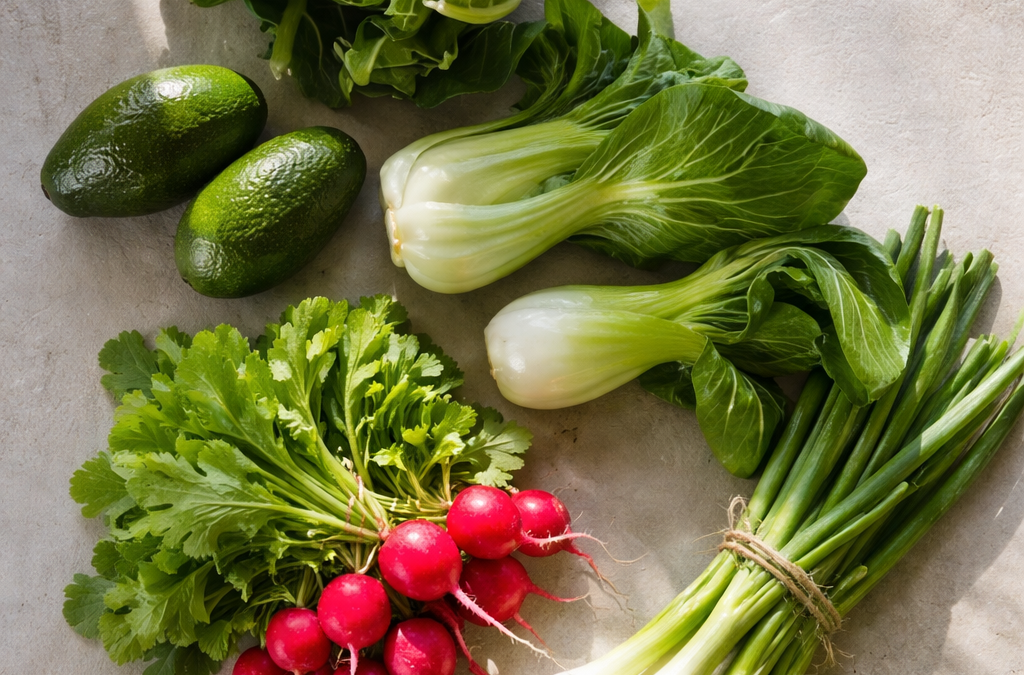
The fastest growing indoor vegetables are the ones that don’t need deep roots, long days, or perfect conditions to get going. Think leafy crops, quick roots, and “cut-and-come-again” greens you can harvest in days or a few weeks.
Contents
- 0.1 What makes a vegetable “fast” indoors
- 0.2 1) Microgreens
- 0.3 2) Salad leaves
- 0.4 3) Radishes
- 0.5 4) Pea shoots
- 0.6 5) Spring onions (regrow method)
- 0.7 6) Rocket (arugula)
- 0.8 7) Baby spinach
- 0.9 8) Pak choi (baby leaves)
- 0.10 9) “Fast” tomatoes (realistic expectations)
- 0.11 The fastest growing indoor vegetables need the right soil
- 0.12 Quick mistakes that slow everything down
- 0.13 FAQs About Fastest Growing Indoor Vegetables
- 0.14 Final Thoughts on Fastest Growing Indoor Vegetables
- 0.15 Related Articles
- 1 Build a Simple Indoor Veg Rhythm That Keeps Producing
Quick answer: fastest growing indoor vegetables
Microgreens (7–14 days)
Radishes (3–5 weeks)
Salad leaves (2–4 weeks for baby leaves)
Pea shoots (2–3 weeks)
Spring onions from regrowth (ongoing, quick top-ups)
Baby spinach (3–5 weeks)
Pak choi (3–5 weeks for baby leaves)
Rocket/arugula (2–4 weeks)
Dwarf tomatoes are not “fast”, but can be reliable long-term under strong light
Do this first: Pick one crop that matches your light (bright windowsill vs low light) and sow it today. Speed comes from starting, not planning.
If you’re not sure what “good indoor light” actually means for edible crops, Best Lights for Indoor Gardening makes the basics clear without overcomplicating it.
What makes a vegetable “fast” indoors
Indoors, fast crops usually have at least one of these traits:
they’re harvested young (baby leaves, shoots, microgreens)
they don’t need pollination (you’re not waiting for fruit)
they grow well in shallow trays or small pots
they bounce back after cutting (multiple harvests)
A bright windowsill helps, but the real key is choosing crops that tolerate “indoor reality”.
1) Microgreens
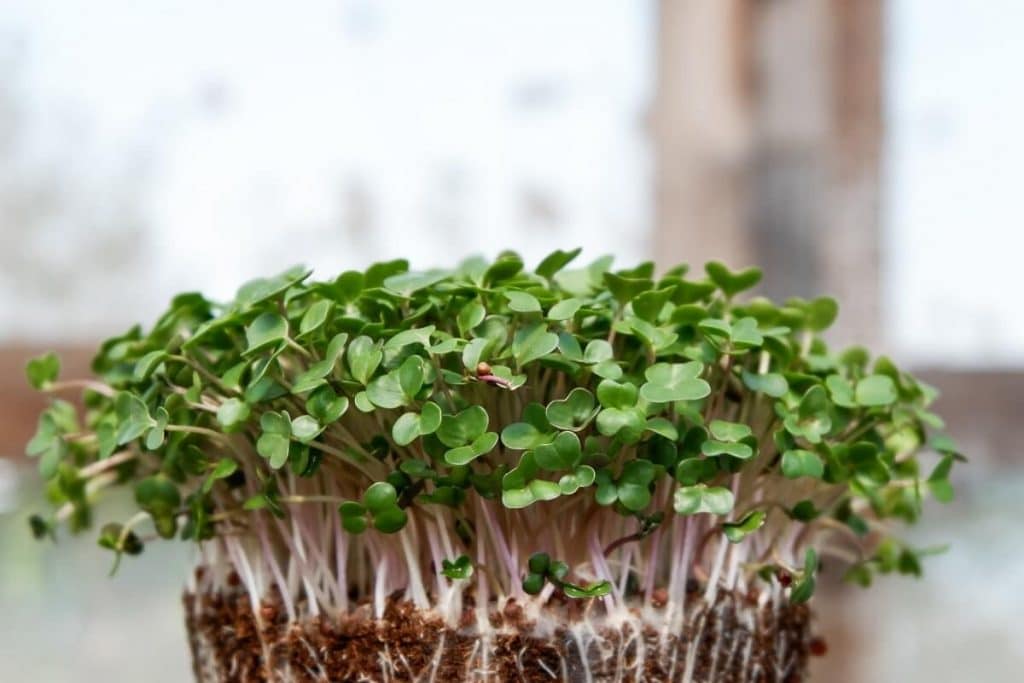
If you want the fastest wins, microgreens are the top pick. They’re ready when they’ve produced their first true leaves and look thick and fresh.
How fast: often 7–14 days
Why they’re fast: you’re harvesting the seedling stage
Best for: small spaces, shelves, quick success
If you want a full step-by-step with timing and tray setup, Grow Microgreens Indoors is the best next click.
A microgreens growing tray set with a humidity dome makes germination easier and keeps things tidy indoors.
2) Salad leaves
Salad leaves are one of the fastest growing indoor vegetables because you don’t wait for a “full plant”. You cut baby leaves and keep sowing little and often.
How fast: 2–4 weeks for baby leaves
Best for: continuous harvests, windowsills, small trays
Tip: sow small batches weekly for steady supply
3) Radishes
Radishes are a great “first indoor root crop” because they’re quick and forgiving if you give them decent light and consistent moisture.
How fast: often 3–5 weeks
Best for: beginners who want a real vegetable harvest
Tip: use a deeper pot than you think, and don’t overcrowd
If you want the full method (pot depth, spacing, and common mistakes), Grow Radishes Indoors ties in perfectly here.
4) Pea shoots
Pea shoots are basically “fast greens with a satisfying crunch”. They grow quickly, tolerate indoor conditions well, and are easy to harvest.
How fast: 2–3 weeks
Best for: cut-and-come-again greens
Tip: harvest with clean cuts and they’ll regrow for another round
5) Spring onions (regrow method)
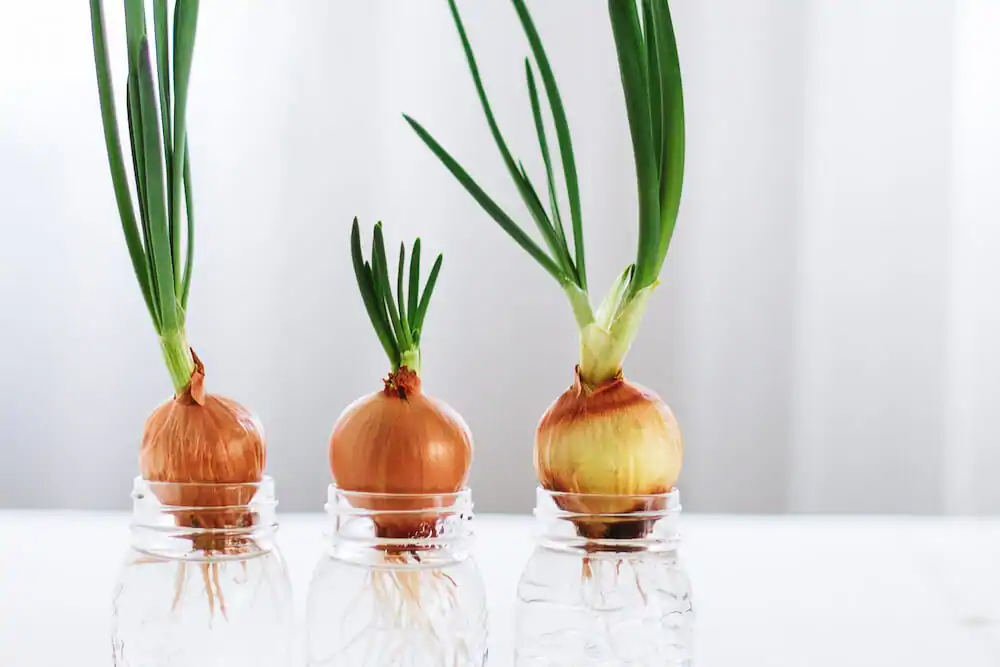
If you want the fastest growing indoor vegetables with almost no effort, spring onions are hard to beat. Save the white root ends, stand them in water for a day or two, then pot them up.
How fast: you’ll see new growth in days
Best for: constant top-ups without sowing seeds
Tip: potting them after the first water regrowth keeps them stronger
For more “free veg” ideas that work indoors, Regrow Kitchen Scraps Indoors is packed with practical options.
6) Rocket (arugula)
Rocket is quick, flavourful, and happy being harvested young. It’s ideal if you want something that tastes “big” without waiting long.
How fast: 2–4 weeks for baby leaves
Best for: windowsills, quick salads
Tip: don’t let it dry out completely or it turns harsher and bolts faster
7) Baby spinach
Spinach isn’t always “fast” for big leaves, but baby spinach indoors can be quick if the light is decent and the temperature isn’t too hot.
How fast: 3–5 weeks for baby leaves
Best for: cooler windowsills, spring/autumn indoor growing
Tip: keep it evenly moist and harvest outer leaves first
8) Pak choi (baby leaves)
Pak choi is a great “fast indoor veg” because you can harvest it as baby leaves, and it grows quickly in a bright spot.
How fast: 3–5 weeks
Best for: crunchy greens, quick stir-fries
Tip: sow little and often to avoid one giant batch all ready at once
9) “Fast” tomatoes (realistic expectations)
Tomatoes aren’t truly fast, but dwarf types can be reliable indoors if you have strong light and you’re happy with a longer timeline. Include them if you want a longer-term project running alongside your quick greens.
If you’re building an indoor veg section properly, Grow Indoor Tomatoes is a solid supporting read for the setup side.
The fastest growing indoor vegetables need the right soil
Indoor veg fails fastest when compost stays wet, heavy, or airless. Quick crops still need roots that can breathe.
A simple indoor rule:
leafy trays = light mix, steady moisture
radishes = deeper pot + free-draining compost
anything regrowing = pot it up once it starts moving, don’t keep it in water forever
If you want to tighten up your compost choice and drainage for indoor edibles, Indoor Vegetable Garden Soil is the best place to start next.
For quick crops like radishes and leafy greens, the Royal Horticultural Society’s grow-your-own guidance reinforces that regular sowing and harvesting young leaves is one of the easiest ways to keep yields coming.
Quick mistakes that slow everything down
Overwatering small trays
Fast crops hate soggy compost. If the surface looks wet for days, cut back watering and improve airflow.
Weak light
Leggy seedlings are a light problem. Move closer to the window or use a grow light if your home is shaded.
Overcrowding
A packed tray grows fast for a week, then stalls. Thin early so leaves don’t fight for light.
Harvesting too aggressively
Cut outer leaves first (or cut above the growing point for shoots). That keeps the plant producing.
FAQs About Fastest Growing Indoor Vegetables
What is the fastest vegetable to grow indoors?
Microgreens are usually the fastest, often ready in 7–14 days.
Can you grow fast vegetables indoors without grow lights?
Yes, if you have a bright windowsill. In darker homes, greens still grow, but they’ll often be slower and leggier.
What’s the easiest fast crop for beginners?
Salad leaves, microgreens, and spring onion regrowth are the easiest quick wins.
How do you keep indoor crops growing continuously?
Sow small batches every week or two. That beats one big tray that’s ready all at once.
Final Thoughts on Fastest Growing Indoor Vegetables
If you want the fastest growing indoor vegetables, start with crops that are designed for speed: microgreens, salad leaves, pea shoots, and quick roots like radishes. Keep light strong, compost airy, and sow small batches regularly. That’s how you turn “one quick tray” into a routine that keeps feeding you.
Related Articles
Make quick harvests feel easy and repeatable
Build a Simple Indoor Veg Rhythm That Keeps Producing
The quickest indoor vegetables come down to a simple system: steady light, airy compost, and small sowings you can harvest and repeat. Once you’ve got that rhythm, you’ll get more food from a windowsill without needing loads of space.