
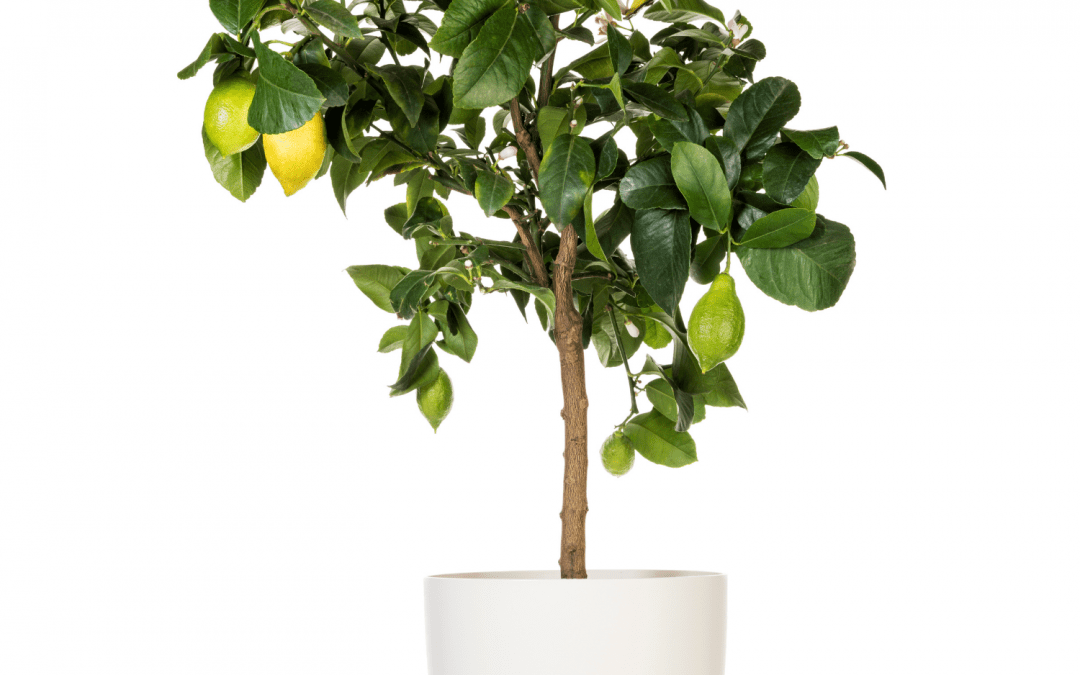
Dwarf lemon trees are one of the easiest ways to bring a little “Mediterranean sunshine” into a small flat or patio – and yes, you really can get real lemons from a pot in the UK. This guide walks you through everything you need to know about dwarf lemon trees indoors, from choosing the right variety to pruning, feeding, and getting them through winter.
Contents
- 0.1 What Is a Dwarf Lemon Tree?
- 0.2 Best Conditions for Dwarf Lemon Trees Indoors
- 0.3 Choosing Pots & Soil for Dwarf Lemon Trees
- 0.4 Watering & Feeding Dwarf Lemon Trees
- 0.5 Pruning & Shaping Your Dwarf Lemon Tree
- 0.6 Pollination & Fruit Set
- 0.7 Common Problems with Dwarf Lemon Trees
- 0.8 Moving Dwarf Lemon Trees Outdoors in Summer
- 0.9 FAQs About Dwarf Lemon Trees
- 0.10 Final Thoughts on Dwarf Lemon Trees
- 0.11 Related Articles
- 1 Master Everyday Care with an Indoor Garden Routine
What Is a Dwarf Lemon Tree?
Dwarf lemon trees are simply lemon varieties grafted onto compact rootstock so they stay small – usually 1–2 m tall in a pot instead of 4–6 m in the ground. You still get full-size fruit, just on a plant that fits in a conservatory, bright kitchen, or balcony.
Popular dwarf varieties
‘Meyer’ lemon – sweeter, thin-skinned, very popular for containers.
‘Eureka’ – classic supermarket-style lemon with strong flavour.
‘Lisbon’ – lots of fruit, good cold tolerance for a citrus.
If you’re keen on a whole indoor citrus collection, you might also like the article on dwarf fruit trees for indoors – it pairs really well with this one once you’ve mastered lemons.
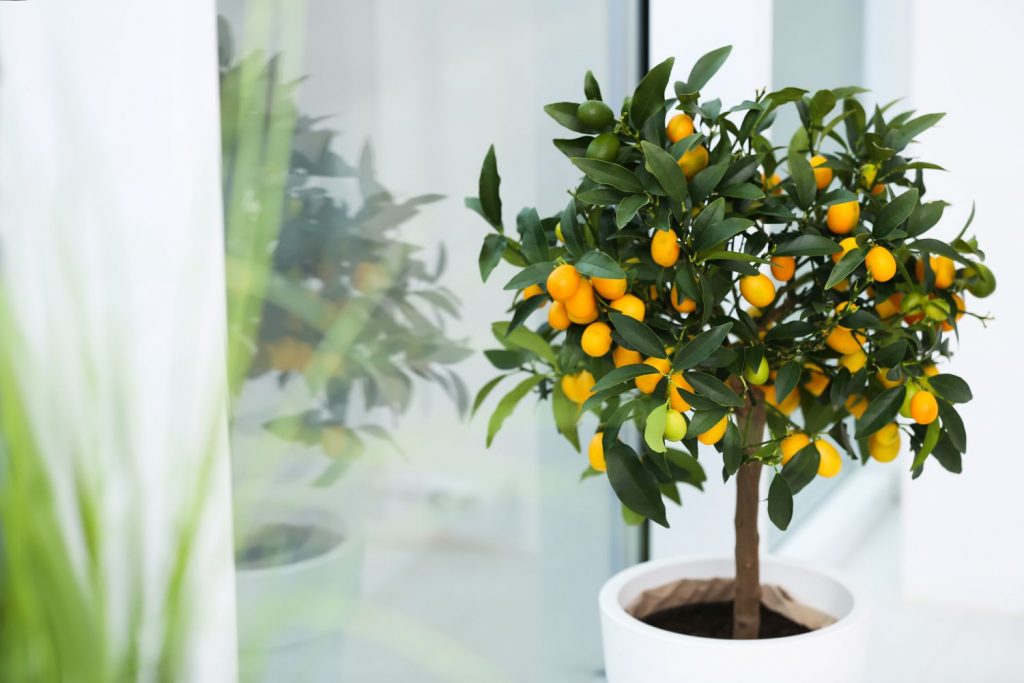
Best Conditions for Dwarf Lemon Trees Indoors
Light
Dwarf lemon trees are sun-lovers.
Aim for 6–8 hours of bright light daily.
A south or south-west facing window is ideal; east can work with extra light.
In darker UK homes, a full-spectrum grow light can make a huge difference.
A simple clip-on LED grow light bar positioned above the tree works well.
Temperature & Humidity
Ideal daytime temperature: 18–24°C
Night temperature: no lower than 10°C – cooler is okay in winter rest, but avoid frost.
Keep away from cold draughts and hot radiators.
They prefer moderate humidity – mist occasionally or stand the pot on a pebble tray if your home is very dry.
RHS advice on growing citrus in containers.
Choosing Pots & Soil for Dwarf Lemon Trees
Pot size and type
Start with a 25–30 cm wide pot for a young tree, moving up a size every few years.
Make sure there are plenty of drainage holes – lemons hate sitting in water.
Terracotta looks lovely and helps excess moisture escape; plastic or fibreglass is lighter for moving in and out.
A sturdy wheeled plant caddy makes shifting a heavy citrus pot much easier.
Soil mix
Lemons like a light, free-draining but moisture-retentive mix.
Use either:
A ready-made citrus potting mix (nice and easy ), or
Make your own:
2 parts quality peat-free multi-purpose compost
1 part fine bark or coir
1 part perlite or grit for drainage

Watering & Feeding Dwarf Lemon Trees
How often to water
Dwarf lemon trees are fussier about overwatering than a bit of dryness.
Check the soil with your finger – if the top 2–3 cm feel dry, it’s time to water.
Water thoroughly until it runs out of the drainage holes, then empty the saucer.
In summer, this might be every 2–3 days; in winter, perhaps once every 1–2 weeks.
A simple soil moisture meter can help you avoid guesswork.
Fertiliser schedule
Citrus are hungry feeders, especially in pots.
From spring to early autumn, feed every 2 weeks with a balanced liquid fertiliser formulated for citrus or tomatoes.
In winter, cut back to once a month or pause if growth stops.
Look for a product with added micronutrients like iron and magnesium to prevent yellow leaves.
Pruning & Shaping Your Dwarf Lemon Tree
Pruning helps keep your dwarf lemon tree compact and productive.
In late winter or very early spring, remove any dead, crossing, or weak branches.
Trim back overly long shoots by about one-third, cutting just above a leaf node.
Try to maintain an open, goblet-shaped canopy so light can reach the middle.
Pinch out tiny shoots that appear below the graft union, as these are from the rootstock.
Pollination & Fruit Set
Most dwarf lemon trees are self-fertile, but indoor trees sometimes need a little help.
When flowers open, gently brush inside each blossom with a soft paintbrush and move from flower to flower to transfer pollen.
Make sure the tree is well-lit and properly fed, or it may drop tiny fruits.
If loads of small fruits set, thin them so there’s a few inches between lemons – this helps the remaining fruits reach a good size.
Common Problems with Dwarf Lemon Trees
Yellowing leaves
All-over pale yellow can mean lack of feed – resume regular citrus fertiliser.
Yellow leaves with green veins (chlorosis) often mean nutrient lock-up from overwatering or high pH. Let soil dry slightly and flush with fresh water.
Leaf drop
Could be sudden temperature changes, cold draughts, or dry air.
Move the tree away from doors/radiators and increase humidity a little.
Pests
The usual culprits indoors are scale, mealybugs, and spider mites.
Check the undersides of leaves regularly.
Wipe small infestations with cotton buds dipped in soapy water or neem oil.
For stubborn issues, look for an organic insecticidal soap suitable for edible plants.
Moving Dwarf Lemon Trees Outdoors in Summer
Most dwarf lemon trees appreciate a holiday outside once it’s warm enough.
Wait until all risk of frost has passed – usually late May in much of the UK.
Start in bright shade, then gradually increase sun over 7–10 days to prevent leaf scorch.
Bring them back indoors before nights fall below about 10°C.
FAQs About Dwarf Lemon Trees
1. How long does it take a dwarf lemon tree to produce fruit?
A grafted dwarf lemon tree can often flower and fruit within 1–2 years of purchase, especially if you buy a well-established plant. From flower to harvest usually takes 6–9 months.
2. Can dwarf lemon trees grow in low light?
They really need bright light. In a dim room, growth will be weak and fruit scarce. If you don’t have a sunny window, using a grow light is the best way to keep dwarf lemon trees happy.
3. Are dwarf lemon trees hardy in the UK?
Most dwarf lemon trees are not frost-hardy. They need to live in pots so they can come indoors or into a frost-free greenhouse for winter.
4. How often should I repot my dwarf lemon tree?
Every 2–3 years is usually enough. When roots circle the pot or water runs straight through, move the tree up to a slightly larger container with fresh citrus compost.
5. Can I grow a dwarf lemon tree from seed?
You can, but it’s a long, unpredictable process – seed-grown lemons may take many years to fruit and won’t necessarily stay compact. For indoor growing, it’s better to buy a grafted dwarf lemon tree.
Final Thoughts on Dwarf Lemon Trees
Dwarf lemon trees are surprisingly manageable once you understand their few non-negotiables: bright light, good drainage, steady watering, and regular feeding. Give them those, and they’ll reward you with scented blossom and sunny yellow fruits, even on a small balcony or kitchen windowsill.
If you’re patient and tweak things as you go – more light here, a better fertiliser there – your dwarf lemon trees can become one of the most rewarding long-term plants in your indoor garden.
Related Articles
Next Step for Healthier Indoor Trees
Master Everyday Care with an Indoor Garden Routine
If you’d like help keeping all your houseplants – not just citrus – in top shape, take a look at the Indoor Garden Care: Keep Your Plants Thriving Indoors article. It walks through watering, feeding, light and seasonal care for a whole collection of indoor plants, so your dwarf lemon tree can thrive alongside the rest of your indoor jungle.