
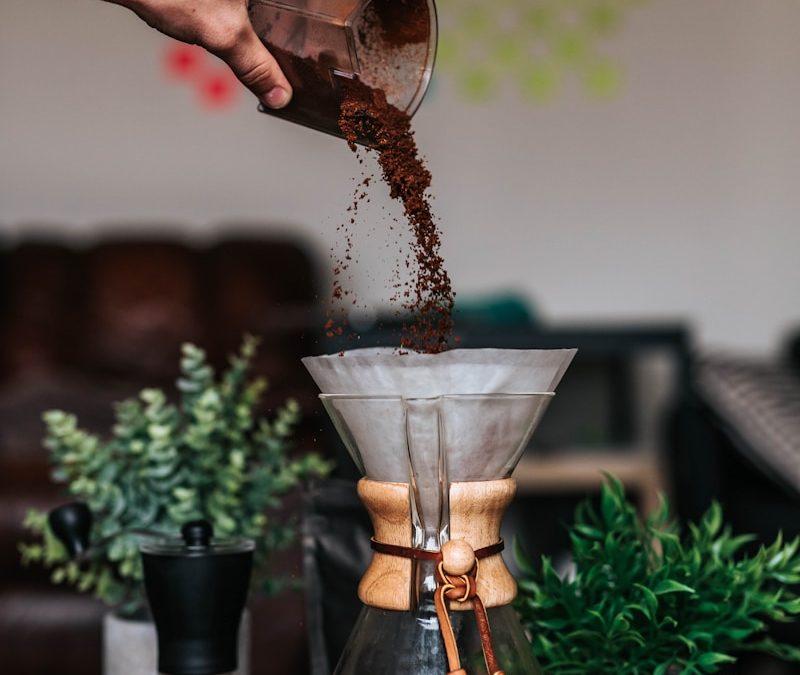
If you’re wondering about coffee grounds for indoor plants, the safest answer is: don’t sprinkle them straight onto your pots. Used grounds can help indirectly (mainly through composting), but direct use indoors often leads to mould, pests, and sour-smelling compost.
Contents
- 0.1 Why coffee grounds cause problems indoors
- 0.2 The safest way to use coffee grounds for indoor plants
- 0.3 Can coffee grounds replace fertiliser indoors?
- 0.4 When coffee grounds are most likely to backfire
- 0.5 How to use coffee grounds indoors without mould (if you insist)
- 0.6 Long-tail quick fixes (fast answers)
- 0.7 FAQs About Coffee Grounds for Indoor Plants
- 0.8 Final Thoughts on Coffee Grounds for Indoor Plants
- 0.9 Related Articles
- 1 USE KITCHEN WASTE THE SMART WAY
Quick answer: coffee grounds for indoor plants
Best use: add them to compost (or a worm bin), then use the finished compost
Avoid: thick layers on pot soil (can go mouldy and compact)
Myth: they don’t reliably “acidify” indoor compost
If you try them: use tiny amounts, mixed into compost, not as a top layer
If your soil smells worse afterwards: stop and reset drainage/watering
Do this first: If you’ve already added grounds to a pot, scrape off the top layer, bin it, and let the compost dry slightly before watering again.
Why coffee grounds cause problems indoors
Coffee grounds feel like a free fertiliser, but indoors they behave differently than in a garden bed. Houseplant pots have less airflow, fewer helpful microbes, and moisture hangs around longer — which is exactly what grounds love.
If you’re already dealing with a musty smell, there’s a solid checklist in Why Indoor Plant Soil Smells Bad that helps you diagnose what’s actually going on.
The safest way to use coffee grounds for indoor plants
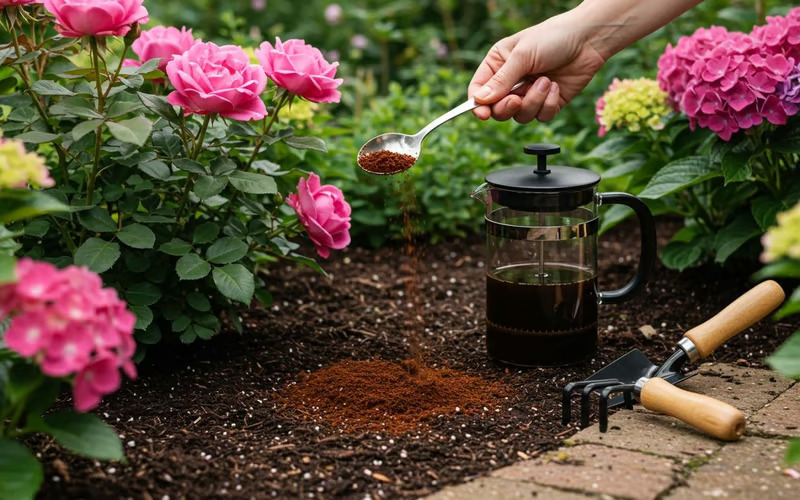
If you only remember one thing, make it this: compost first. Composting breaks grounds down properly and spreads them out, so you get the benefit without the indoor mess.
Option 1: Add to compost, then use the finished compost
This is the best approach for most people.
Add grounds in small handfuls, not bucketloads
Balance with “browns” like cardboard, paper, or dry leaves
Let it break down fully before adding to houseplants
A countertop compost bin with a charcoal filter makes it easier to collect grounds without smells, especially if you’re saving them over a few days.
Option 2: Worm bin (if you’re into it)
Worms can process coffee grounds, but they still need moderation and balance with other scraps. If you add too much, it can turn acidic in the bin and slow things down.
Can coffee grounds replace fertiliser indoors?
Not really. Coffee grounds contain some nutrients, but they’re not a complete feed for potted plants, and indoors they break down slowly.
If you want a simple “what feeding actually means” explainer (without guesswork), Liquid Fertilizer makes the basics easier to understand.
When coffee grounds are most likely to backfire
This is where most people get caught out. Before you try anything “direct”, watch for these common indoor issues:
Mould on the soil surface (white fuzz or patchy film)
Compacted top layer that repels water
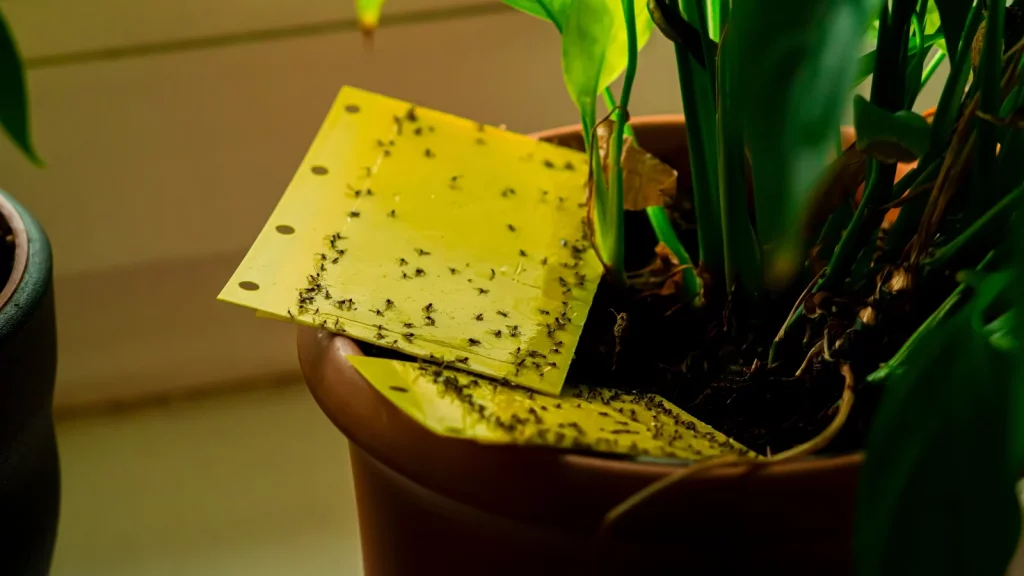
Fungus gnats appearing after you water
Bad smells a few days later
If you’re getting tiny flies hovering around the pot, Fungus Gnats walks you through fast fixes and prevention.
How to use coffee grounds indoors without mould (if you insist)
If you still want to experiment, treat coffee grounds like a tiny additive, not a top dressing.
Best method (lowest risk):
- Dry used grounds completely (thin layer on a tray)
- Mix a pinch into compost away from the stem
- Water lightly and increase airflow
- Stop immediately if you see mould or smell sourness
If your pots stay wet for ages (which makes mould more likely), Indoor Plant Watering Mistakes is a helpful read because it shows why “watering less” isn’t always the full fix.
Long-tail quick fixes (fast answers)
Coffee grounds went mouldy on my houseplant soil — what now?
Remove the top layer, scrape back to clean compost, and let the pot dry slightly before watering again. Improve airflow and avoid adding anything organic to the surface for now.
If you keep seeing mould on the surface even without coffee, Prevent Mold in Indoor Soil gives simple prevention steps that work in small spaces.
Do coffee grounds make soil acidic for indoor plants?
Not reliably. A lot of the “acidity” idea is oversold online, and used grounds tend to be closer to neutral than people expect.
Can coffee grounds help with smell in a pot?
Usually the opposite. If a pot already smells, adding grounds can trap moisture and make the problem worse. Fix drainage, watering rhythm, and airflow first.
Will coffee grounds attract pests indoors?
They can. Damp organic layers can encourage fungus gnats and mould. Keeping the soil surface drier and using composted material rather than fresh layers helps.
A common myth is that coffee grounds strongly acidify potting compost, but University of Minnesota Extension’s note on coffee grounds explains that used grounds don’t reliably lower soil pH — which is why they’re usually better treated as compost material than a quick fix for houseplants.
FAQs About Coffee Grounds for Indoor Plants
Can I sprinkle coffee grounds on top of houseplant soil?
It’s not recommended indoors. It often clumps, holds moisture, and can go mouldy.
How often can I add coffee grounds to compost for indoor use?
Small amounts regularly are fine, as long as you balance with “browns” and let it break down fully.
Which indoor plants like coffee grounds most?
It’s less about the plant and more about the pot environment. Most houseplants prefer stable, airy compost over organic layers sitting on top.
Can coffee grounds replace fertiliser?
No. They’re not a complete feed. If your plant needs nutrients, use a proper fertiliser approach rather than relying on grounds.
What’s the best beginner way to use coffee grounds indoors?
Collect them in a sealed caddy, compost them, then use the finished compost as part of your potting mix.
Final Thoughts on Coffee Grounds for Indoor Plants
Coffee grounds can be useful, but indoors they’re most helpful when you treat them as a compost ingredient, not a shortcut fertiliser. If you keep things dry on the surface, prioritise airflow, and compost first, you’ll avoid the mouldy, gnat-attracting mess that catches most people out.
Related Articles
USE KITCHEN WASTE THE SMART WAY
USE KITCHEN WASTE THE SMART WAY
Coffee grounds are best used as an ingredient, not a topping. If you collect them neatly and compost them properly, you’ll get a safer, cleaner result that actually helps your indoor plants.