
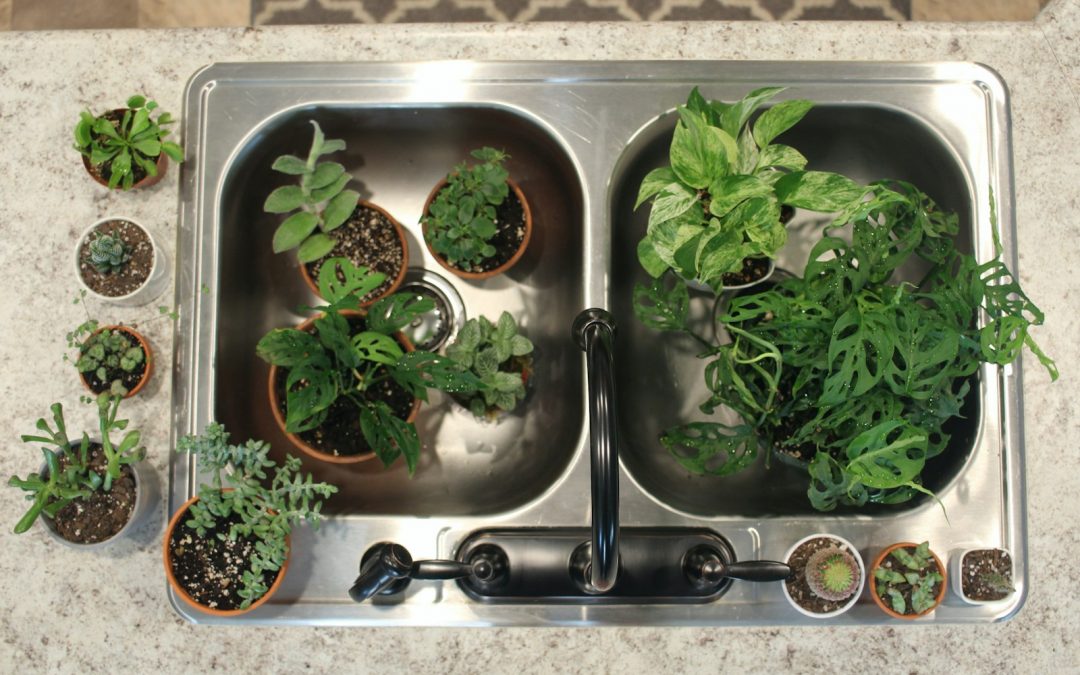
If you need to clean indoor plant pots, the best approach is to choose the right method for the pot type (plastic, ceramic, terracotta) and deal with the real causes — salt build-up, trapped water and algae. A quick clean also helps prevent smells and pests around your plants.
Quick answer: how to clean indoor plant pots
Empty the pot and knock off loose compost
Wash with hot soapy water first
For mineral/salt crust: soak in vinegar solution, then scrub
For algae/slime: wash and fully dry before reusing
Rinse well and let pots dry completely before repotting
Do this first: If you’re reusing a pot, wash and dry it fully before fresh compost goes in.
Contents
- 0.1 Why indoor plant pots get crusty, green or smelly
- 0.2 What you need (simple supplies)
- 0.3 How to clean indoor plant pots (step-by-step)
- 0.4 Cleaning different pot types (so you don’t ruin them)
- 0.5 Long-tail mini sections (fast answers)
- 0.6 FAQs About Cleaning Indoor Plant Pots
- 0.7 Final Thoughts on Cleaning Indoor Plant Pots
- 0.8 Related Articles
- 1 Build a Simple Pot Cleaning and Repotting Routine
Why indoor plant pots get crusty, green or smelly
Most indoor pot problems come from three things:
Mineral salts from tap water and fertiliser (white crust)
Constant damp (green algae, slime, musty smell)
Trapped water in cachepots and saucers (stagnant water)
If your pot smells bad even when the plant looks fine, Why Indoor Plant Soil Smells Bad (7 Causes + Fast Fixes) is a helpful checklist to rule out soggy compost and trapped water.
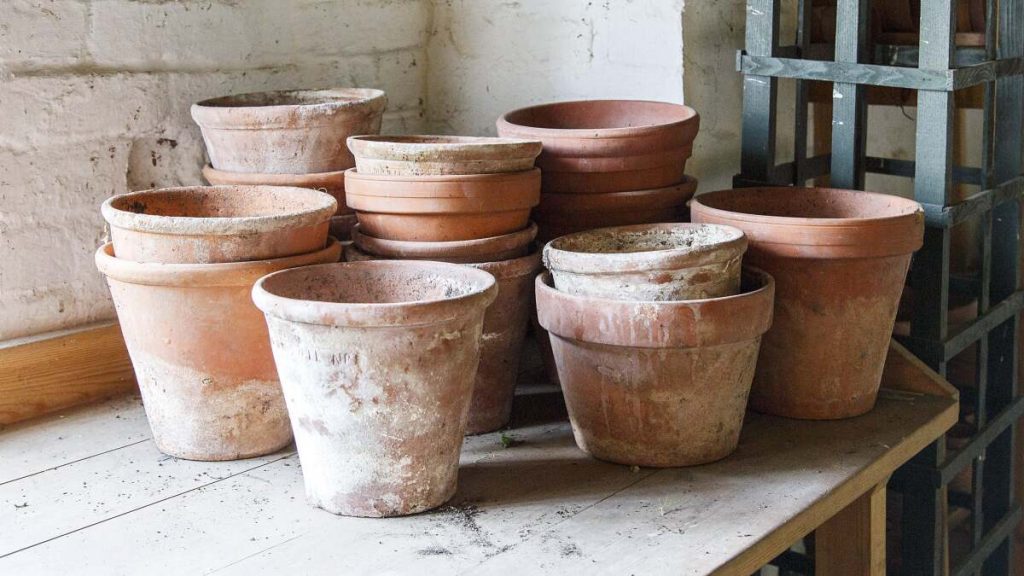
What you need (simple supplies)
Most of this is already in your kitchen.
Washing-up liquid + hot water
Soft sponge + small brush/toothbrush
White vinegar (for mineral crust)
Baking soda (for stubborn grime)
Clean towel for drying
A small bottle brush for narrow plant pots is handy for reaching down into tall cachepots and bottle-style planters.
How to clean indoor plant pots (step-by-step)
1) Empty and remove loose soil
Tip out old compost and tap the pot gently. For stuck bits, use a wooden stick or old spoon — avoid metal scraping on glazed pots.
2) Wash with hot soapy water first
This removes grime, algae film and fertiliser residue before you do any soaking.
Scrub inside and around drainage holes
Don’t forget the saucer and outer rim
Rinse thoroughly
3) Remove white salt rings (vinegar soak)
White crust is usually mineral salts, especially on terracotta.
Mix 1 part vinegar to 1 part warm water
Soak for 30–60 minutes
Scrub and rinse well
If you see heavy crust every few weeks, it often means the pot is drying too slowly or you’re getting salt build-up from feeding — Liquid Fertilizer can help you keep indoor feeding gentle and avoid overdoing it.
4) Deal with algae and slime (the real fix)
Green algae means the pot stays wet and shaded.
Scrub with soapy water
Rinse well
Dry completely in a bright spot
Fix the cause: more airflow, better drainage, less water sitting in saucers
If you keep finding dampness trapped at the bottom, Improve Indoor Plant Drainage is the best next read to stop the problem returning.
Cleaning different pot types (so you don’t ruin them)
Terracotta
Avoid harsh chemicals
Vinegar soak works well for salt crust
Let it fully dry before reusing (terracotta holds moisture)
Ceramic/glazed pots
Soapy water is usually enough
Use a soft sponge to avoid scratching glaze
Clean around the rim where salts collect
Plastic pots
Easy to wash, but algae film can cling
Scrub drainage holes and inside seams
A plant pot cleaning brush set is useful if you clean lots of pots (different brush sizes reach rims, holes and corners).
Long-tail mini sections (fast answers)
How to clean indoor plant pots without vinegar
Use hot soapy water first, then scrub stubborn spots with a paste of baking soda + water. Rinse thoroughly.
How often should you clean indoor plant pots?
Quick wipe: whenever you see algae or dust
Full clean: before repotting or reusing a pot
Saucers: any time you notice standing water
How to stop pots getting crusty again
Water thoroughly, then let pots dry slightly
Avoid leaving water sitting in saucers
Don’t overfeed
Occasionally flush pots with plain water
A soil moisture meter can help you avoid “just in case” watering — Soil Moisture Meter Guide shows how to use one properly.
If you’re constantly seeing algae and crust, the underlying issue is usually too much damp staying in the pot — the RHS container gardening maintenance advice reinforces letting compost dry slightly between thorough waterings rather than keeping it constantly wet.
FAQs About Cleaning Indoor Plant Pots
Can I reuse a plant pot without cleaning it?
It’s not ideal. Old salts and residue can affect drainage and feeding, and you can carry pests or disease into fresh compost.
Is vinegar safe for cleaning pots?
Yes, when diluted and rinsed well. It’s especially good for mineral crust on terracotta.
How do I clean pots with no drainage holes?
Treat them like cachepots: clean inside thoroughly and make sure your inner nursery pot drains well so water doesn’t sit at the bottom.
Why does my pot get green inside?
That’s algae, usually from constant damp + low light. Cleaning helps, but fixing watering/drainage stops it returning.
Final Thoughts on Cleaning Indoor Plant Pots
To clean indoor plant pots properly, start with hot soapy water, then use a vinegar soak for salt crust and a thorough scrub-and-dry for algae. The real win is preventing the return: avoid trapped water, improve drainage, and let compost dry slightly between waterings.
Related Articles
Keep repotting clean and stress-free
Build a Simple Pot Cleaning and Repotting Routine
A quick clean before repotting prevents salt build-up, algae and smells from carrying over into fresh compost. A repeatable routine makes indoor plant care easier and keeps pots looking tidy.