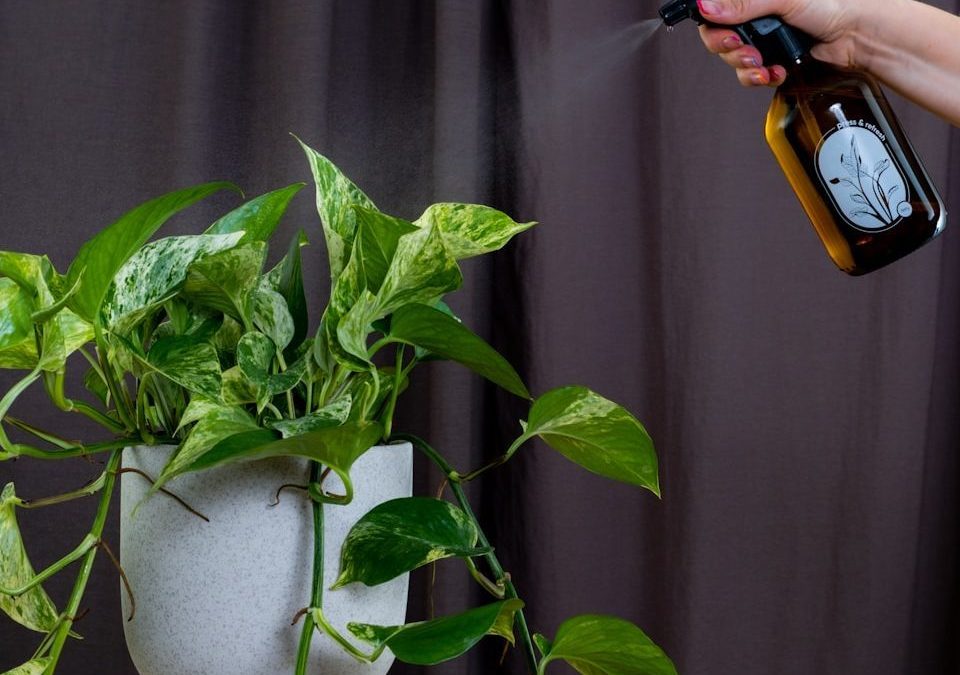
Dusty leaves don’t just look dull — they block light and can slow growth over time, so learning how to clean houseplant leaves is one of the easiest upgrades to your routine.
If you’re dealing with sticky residue or pest mess, you can also read Scale Indoor Plants.
Quick answer: how to clean houseplant leaves
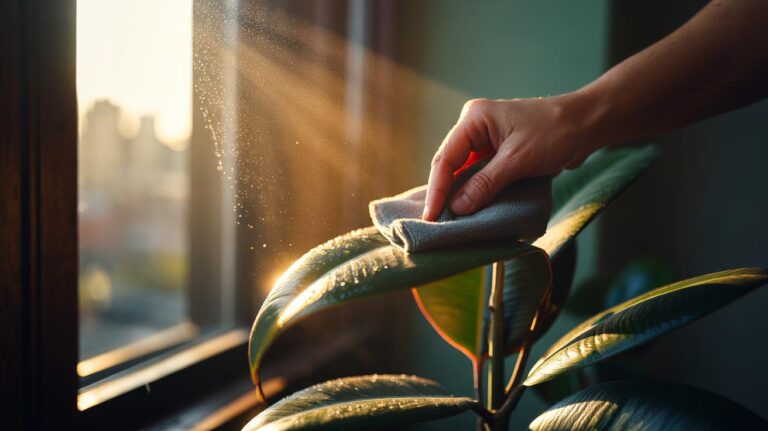
Use lukewarm water + a soft cloth for most plants
Support the leaf with your hand and wipe top and underside
Avoid leaf shine products (they can block pores)
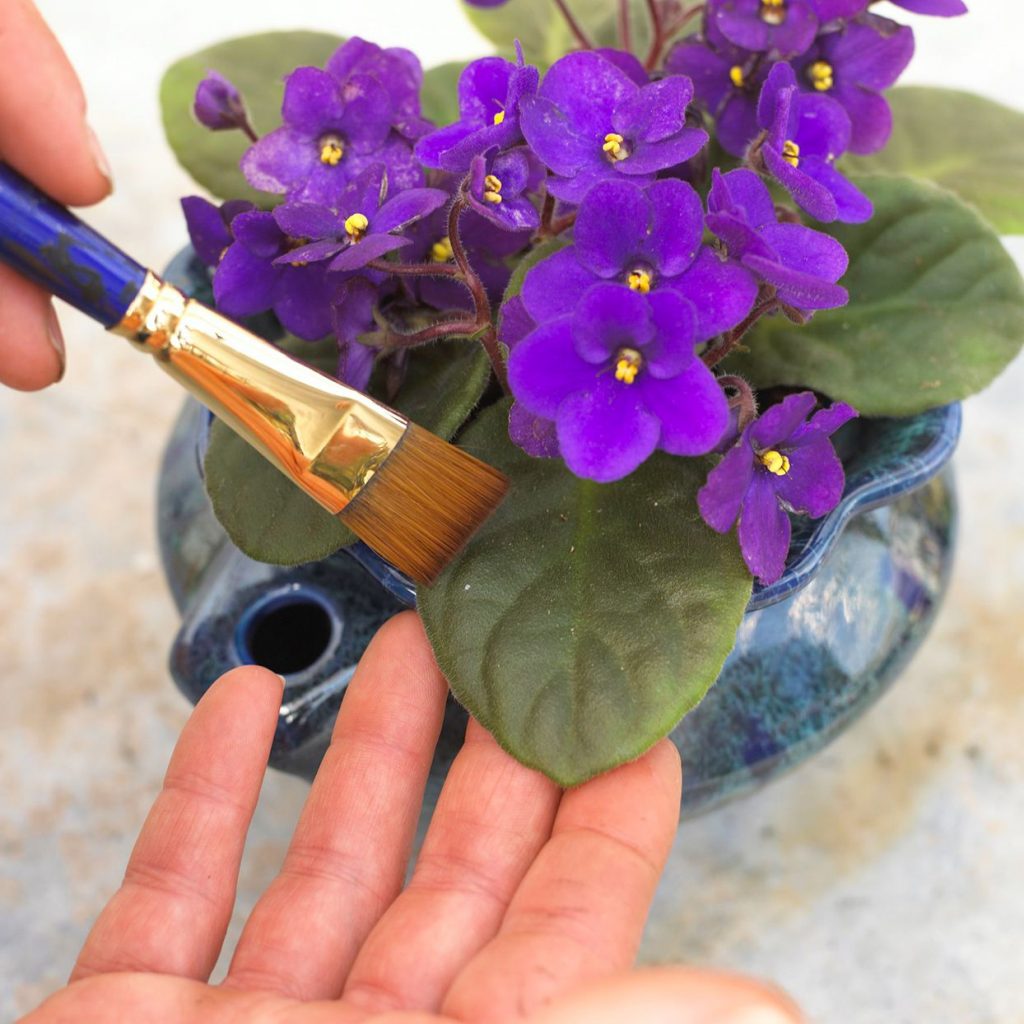
Don’t scrub hairy leaves (like African violets)
Clean monthly, or more often in dusty rooms
Do this first: Check the leaf type (smooth vs fuzzy vs delicate). The wrong method can damage leaves faster than dust does.
Contents
- 0.1 Why Cleaning Leaves Helps Indoor Plants
- 0.2 Clean Houseplant Leaves: Start With the Leaf Type
- 0.3 The Best Way to Clean Houseplant Leaves (Step-by-Step)
- 0.4 The Shower Method (Fast for Big Plants)
- 0.5 What to Use (and What to Avoid)
- 0.6 How Often Should You Clean Houseplant Leaves?
- 0.7 Cleaning Leaves When You Suspect Pests
- 0.8 FAQs About Cleaning Houseplant Leaves
- 0.9 Final Thoughts on Cleaning Houseplant Leaves
- 0.10 Related Articles
- 1 Set Up a Simple Leaf-Care Station
Why Cleaning Leaves Helps Indoor Plants
Indoors, dust builds up quickly—especially near kitchens, radiators, open windows, and busy roads. A layer of dust reduces how much light the leaf can use, which can slow growth over time.
Cleaning also helps you spot problems earlier:
tiny webs (spider mites)
sticky patches (scale/aphids)
early leaf damage and yellowing
mould on the soil surface
A clean plant is simply easier to inspect and care for.
Regularly wiping leaves makes it easier to spot issues early — RHS advice on container maintenance also highlights how basic upkeep helps prevent problems building up over time.
Clean Houseplant Leaves: Start With the Leaf Type
Different plants need different methods. Before you wipe anything, identify what kind of leaves you’re working with.
Smooth, sturdy leaves (most common)
Examples: monstera, rubber plant, pothos, philodendron, peace lily
Best method: damp cloth wipe
Thin or delicate leaves
Examples: calathea, ferns
Best method: gentle rinse or very soft wipe (no pressure)
Hairy/fuzzy leaves
Examples: African violets, some begonias
Best method: soft dry brush (water can mark the hairs)
Succulents/cacti
Best method is usually a soft brush, because water can pool and cause marks or rot.
The Best Way to Clean Houseplant Leaves (Step-by-Step)
Step 1: Support the leaf
Place a hand under the leaf to prevent snapping or creasing, especially on larger leaves.
Step 2: Use lukewarm water
Cold water can shock some plants; hot water can damage leaf tissue.
Step 3: Wipe gently (top and underside)
Dust and pests often hide underneath.
Step 4: Let the plant dry naturally
Avoid direct hot sun straight after cleaning.
A soft microfibre cloth for houseplants makes wiping easier and reduces the chance of scratching shiny leaves.
The Shower Method (Fast for Big Plants)
For plants with lots of leaves, a quick rinse works well.
How to do it
Put the plant in the shower or bath
Use lukewarm water and a gentle spray
Let it drain fully before returning it to its spot
Avoid this
blasting the soil (it can compact it)
leaving water sitting in decorative cachepots
This method is ideal for monsteras, rubber plants, and palms.
What to Use (and What to Avoid)
Safe options
lukewarm water
soft cloth or sponge
a soft brush for fuzzy leaves
diluted mild soap if leaves are sticky from pests (wipe off afterwards)
Avoid these (common mistakes)
leaf shine products (they can clog pores)
oily household cleaners
vinegar on most plants (can irritate leaf tissue)
scrubbing hard (causes tiny damage that shows later)
If your leaves are sticky, it’s worth checking if pests are the real cause.
How Often Should You Clean Houseplant Leaves?
A simple rule:
monthly for most rooms
every 2–3 weeks if you live near a road, cook often, or have pets
after pest treatment (to remove residue and improve inspection)
You don’t need to obsess — just keep it regular enough that dust never becomes a thick layer.
Cleaning Leaves When You Suspect Pests
Leaf cleaning is helpful, but it won’t fix an infestation on its own.
If you see pests:
- isolate the plant
- wipe leaves thoroughly (both sides)
- treat consistently over 2–3 weeks
If you need quick identification, read Indoor Plant Pest Guide.
A ready-to-use insecticidal soap spray for houseplants can help with many sap-sucking pests when used repeatedly.
FAQs About Cleaning Houseplant Leaves
Can I use washing-up liquid to clean leaves?
A very mild, heavily diluted solution can help with sticky residue, but rinse/wipe it off afterwards. Avoid strong mixtures.
Is misting enough to keep leaves clean?
Not really. Misting can leave mineral spots and doesn’t remove dust. Wiping or rinsing works better.
Why do my leaves look streaky after cleaning?
Usually hard water residue or wiping with too dry a cloth. Use lukewarm water and a clean microfibre cloth.
Should I clean leaves in winter?
Yes, but less often. Plants grow slower and may dry more slowly, so keep cleaning gentle and avoid soaking the soil.
What about plants with fuzzy leaves?
Don’t wipe with water. Use a soft brush to remove dust without damaging the leaf surface.
Final Thoughts on Cleaning Houseplant Leaves
Once you get into the habit, clean houseplant leaves becomes a quick monthly reset that genuinely improves how your plants look and how well they grow. Use the gentlest method that fits the leaf type, wipe both sides, and avoid shiny sprays that cause long-term issues.
Related Articles
MAKE CLEANING AND CARE QUICKER EVERY WEEK
Set Up a Simple Leaf-Care Station
If you keep a few basics in one place, leaf cleaning becomes a 2-minute habit instead of a “one day” job. A soft cloth, a gentle brush, and a quick check of the undersides is often all it takes to keep leaves glossy, pest-free, and photosynthesising properly.