
Cabbage is a brilliant cool-season crop, but nothing attracts pests and diseases quite like a bed of leafy brassicas. One week your cabbage patch looks lush and green, the next you’re spotting holes, wilting leaves, or rotting hearts.
This cabbage diseases and pest control guide will help you identify what’s going wrong, stop problems early, and keep your cabbages healthy right through to harvest.
If you want to boost overall plant strength at the same time, pair this with the Balanced Fertilizers – Maximizing Growth and Health in Your Garden article for simple feeding tips that support disease resistance.
Contents
- 0.1 How to Spot Early Signs of Cabbage Diseases
- 0.2 Common Fungal and Bacterial Cabbage Diseases
- 0.3 Key Cabbage Pests and How to Control Them
- 0.4 Cultural Practices for Healthy, Disease-Resistant Cabbage
- 0.5 FAQs About Cabbage Diseases and Pest Control
- 0.6 Final Thoughts on Cabbage Diseases and Pests Control
- 0.7 Related Articles
- 1 Use Our Complete Plant Pest Guide as Your Go-To Reference
How to Spot Early Signs of Cabbage Diseases
Catching problems early is the best form of cabbage diseases and pests control. A quick, regular check of your plants means you can act before damage spreads.
Look out for:
Yellowing between the veins – often linked to nutrient issues or clubroot.
Wilting in warm weather even though the soil is moist – can indicate root damage.
Stunted plants that never really bulk up compared to the rest of the bed.
Soft, slimy patches on leaves or heads, especially after rain – a sign of bacterial or fungal rot.
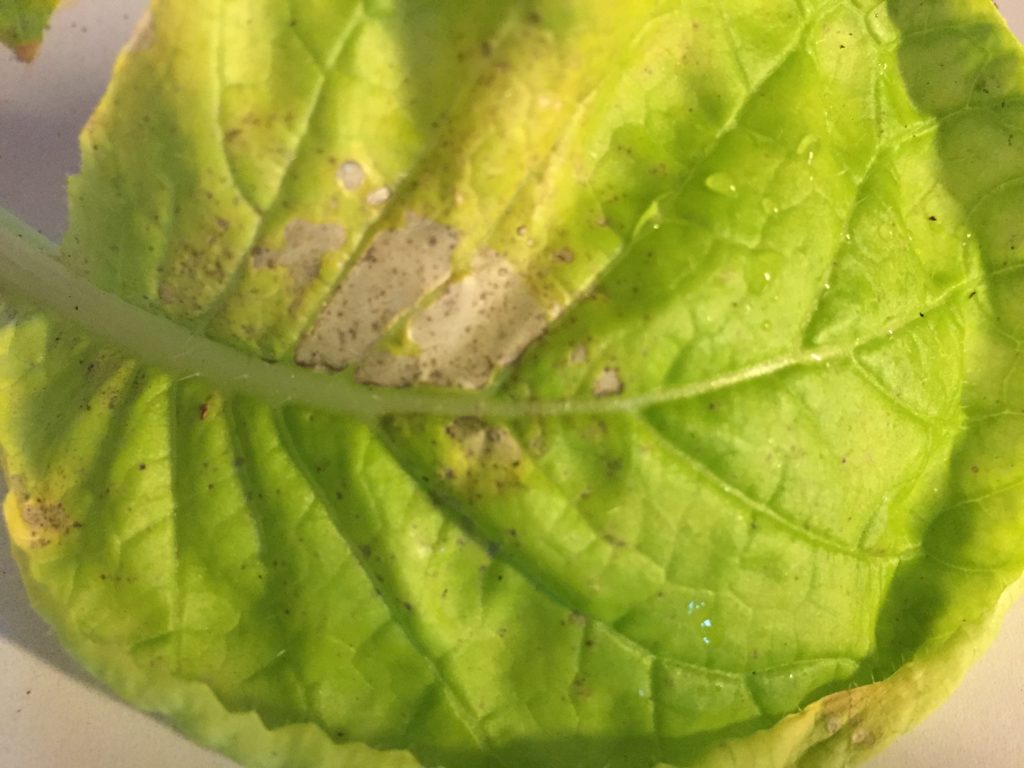
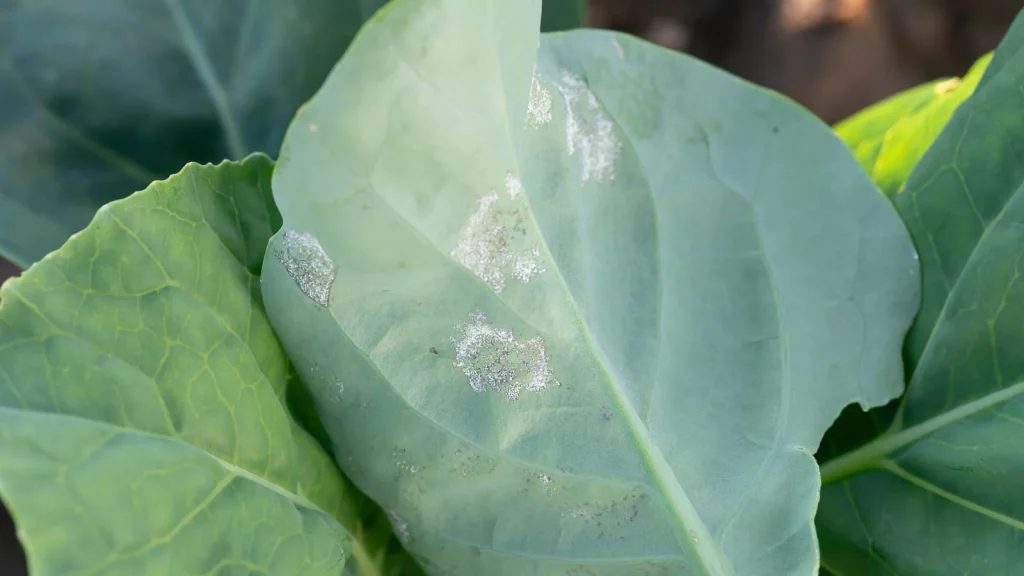
Pale, silvery patches or tiny speckles – often caused by sap-sucking pests.
When you notice changes, compare several plants. If just one cabbage is affected, it may be mechanical damage or a single pest; if many are affected, think disease, soil issue, or a widespread pest.
Common Fungal and Bacterial Cabbage Diseases
Several soil-borne and leaf-borne diseases can affect cabbages. Knowing the main culprits helps you choose the right control method.
Clubroot
Clubroot is one of the most frustrating cabbage diseases. Roots become swollen and distorted, plants wilt easily and stay small, and they often die in hot, dry spells.
Spread by contaminated soil and water.
Prefers warm, wet conditions and acidic soil.
Hard to eradicate once it’s in the ground.
To reduce clubroot:
Rotate crops – avoid planting brassicas in the same bed more than once every 3–4 years.
Improve drainage and raised beds where possible.
Lime acidic soil to bring the pH up towards neutral if your soil allows.
Black Rot
Black rot causes V-shaped yellow lesions at the leaf edges that gradually turn brown or black, with dark veins. Heads may fail to form or rot from the inside.
Spread by infected seed, splashing water, and tools.
Favours warm, humid conditions.
Control tips:
Buy disease-free seed from reputable suppliers.
Water at soil level, not over the leaves.
Remove badly infected plants and bin them rather than composting.
Downy Mildew and Leaf Spot
Downy mildew appears as yellow patches on the upper leaf surface with a greyish mould underneath. Leaf spots form dark, circular lesions that may drop out, leaving holes.
Avoid overcrowding – good air flow keeps leaves drier.
Water in the morning so foliage dries quickly.
Remove and destroy affected leaves to slow spread.
Key Cabbage Pests and How to Control Them
Pests can strip a cabbage plant almost overnight if left unchecked. Integrated pest management – combining physical barriers, hand-picking, and gentle sprays – works best.
Cabbage White Butterflies and Caterpillars
The large and small cabbage whites lay eggs on the undersides of leaves. Hungry green caterpillars then chew big holes and can tunnel into hearts.
Check leaves regularly and squash eggs and small caterpillars by hand.
Use fine insect mesh or fleece over young plants to stop butterflies laying eggs.
Encourage natural predators like birds and ground beetles.
A fine mesh insect netting for vegetables stretched over hoops is one of the most effective cabbage pest control tools for home gardens.
Cabbage Aphids
Cabbage aphids gather in greyish clusters on underside of leaves and in tight leaf folds. They suck sap, cause curling leaves and can spread viruses.
Blast small colonies off with a firm jet of water.
Pinch off heavily infested outer leaves.
Avoid over-fertilising with high-nitrogen feeds, which encourage soft, sappy growth.
For persistent infestations, a ready-to-use organic insecticidal soap spray can control aphids without harming most beneficial insects when used carefully.
Cabbage Root Fly
Cabbage root fly maggots feed on roots, causing sudden wilting and stunted growth, especially in seedlings and young transplants.
Use cabbage collars – discs of felt or card placed around stems to deter egg laying.
Firm soil well around transplants so flies are less attracted to lay eggs.
Rotate crops and remove old stems after harvest.
Cultural Practices for Healthy, Disease-Resistant Cabbage
Good cultural care is the foundation of cabbage diseases and pests control. Strong, well-grown plants are naturally better at resisting attack.
Rotate brassicas with other crop families to break disease and pest cycles.
Plant in full sun with fertile, well-draining soil enriched with compost.
Space plants generously so air can move through the bed.
Water deeply and regularly in dry spells to prevent stress.
Mulch with compost or straw to keep soil moisture more even and reduce splash-borne diseases.
For detailed guidance on brassica nutrients and soil preparation, you can follow university or RHS advice on cabbage and other brassica crops, which explains ideal soil pH and feeding in more depth.
FAQs About Cabbage Diseases and Pest Control
1. Why are my cabbage leaves full of holes?
Most often this is damage from caterpillars or flea beetles. Look for green caterpillars on the undersides of leaves, or tiny jumping beetles. Netting, hand-picking, and gentle organic sprays can all help.
2. Can I eat cabbage leaves that have been attacked by pests?
Yes, as long as you wash them thoroughly and there is no sign of slimy rot or mould. Simply trim away badly damaged parts – cosmetic damage doesn’t make the cabbage unsafe.
3. How do I prevent clubroot in a new brassica bed?
Buy healthy transplants, avoid moving soil from infected areas, improve drainage, and rotate crops. If clubroot is already present, grow cabbages in raised beds or large containers filled with fresh compost.
4. Do chemical pesticides work better than organic methods?
For home gardens, physical barriers, crop rotation, and targeted organic products are usually enough and are kinder to beneficial insects. Chemical pesticides can create resistance problems and often aren’t necessary for small plots.
5. Should I remove all diseased cabbage plants from the garden?
Badly infected plants or those with rotting heads should be removed and disposed of to reduce the amount of disease in the bed. Slightly affected outer leaves can be trimmed while leaving the plant to mature if the heart is still healthy.
Final Thoughts on Cabbage Diseases and Pests Control
Cabbage diseases and pests control doesn’t have to be complicated. A mix of simple habits – rotating brassica crops, protecting plants with mesh, keeping foliage dry when possible, and checking regularly for early signs – will solve most problems before they get out of hand.
Start by strengthening the basics: healthy soil, good spacing, and consistent watering. Then layer on physical barriers and gentle sprays only when you need them. Over time you’ll learn which cabbage pests and diseases are common in your garden and can tailor your routine to stay one step ahead. A little observation goes a long way towards a bed full of crisp, tight cabbage heads at harvest.
Related Articles
STAY AHEAD OF GARDEN PEST PROBLEMS
Use Our Complete Plant Pest Guide as Your Go-To Reference
Once you’ve learned how to handle cabbage diseases and pests, it helps to have one place to check symptoms and solutions for other crops too. Our Plant Pest Guide walks you through common indoor and outdoor pests, how to spot them early, and simple control methods you can use across your whole garden. 🌿