
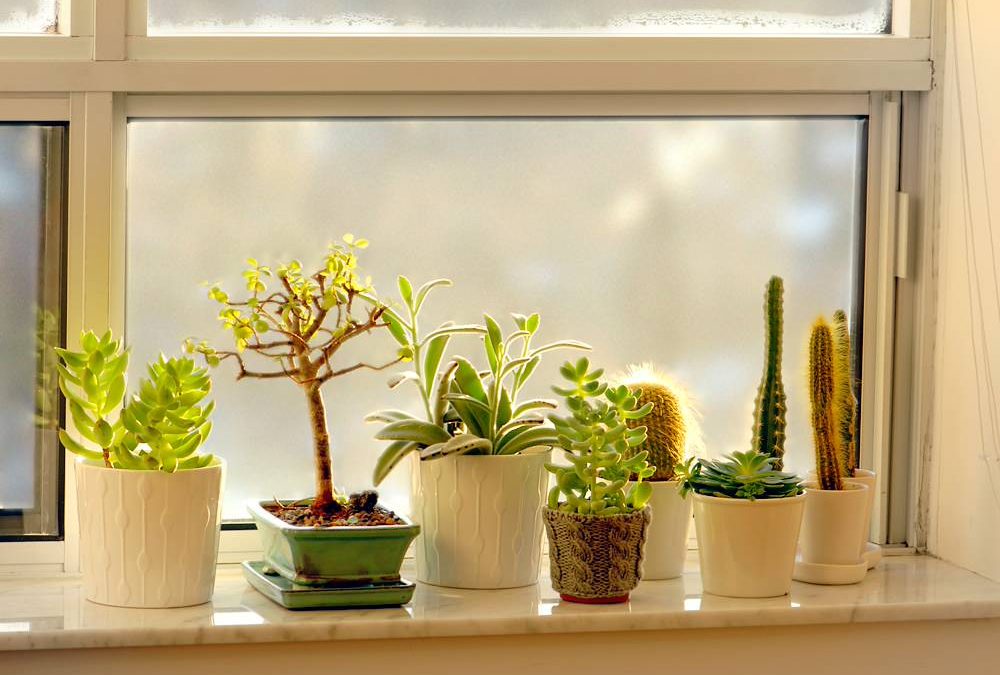
The best soil mix for indoor succulents is one that dries fast, holds shape, and doesn’t stay cold and wet around the roots. Indoors, most succulents rot because standard compost holds too much moisture for too long.
Contents
- 0.1 Why regular compost fails for succulents indoors
- 0.2 Best soil mix for indoor succulents: the ideal blend
- 0.3 Pot choice matters as much as the soil
- 0.4 How to test if your mix drains well (30-second check)
- 0.5 Common mistakes that ruin indoor succulent soil
- 0.6 Top picks made simple
- 0.7 Long-tail quick fixes
- 0.8 FAQs About Best Soil Mix for Indoor Succulents
- 0.9 Final Thoughts on Best Soil Mix for Indoor Succulents
- 0.10 Related Articles
- 1 Build a Simple Repotting and Watering Routine
Quick answer: best soil mix for indoor succulents
Aim for a gritty, free-draining mix (more “rocky” than “muddy”)
Use roughly 50% potting mix + 50% mineral grit for most homes
Choose perlite/pumice/grit to add air and stop compaction
Skip mixes that stay wet for days or feel heavy and dense
Pair the mix with a pot that has proper drainage
Do this first: Tip a little of your current soil into your hand and dampen it—if it forms a tight, sticky ball, it’s too water-retentive for most succulents indoors.
If you’re still troubleshooting slow drying or soggy pots, Improve Indoor Plant Drainage is a good read.
Why regular compost fails for succulents indoors
Standard houseplant compost is designed to hold water—great for many plants, not great for succulents in a cooler indoor room.
When soil stays wet:
roots can’t get enough oxygen
the base of the plant softens
fungus gnats and mould become more likely
growth slows (even if the plant looks “fine” at first)
Best soil mix for indoor succulents: the ideal blend
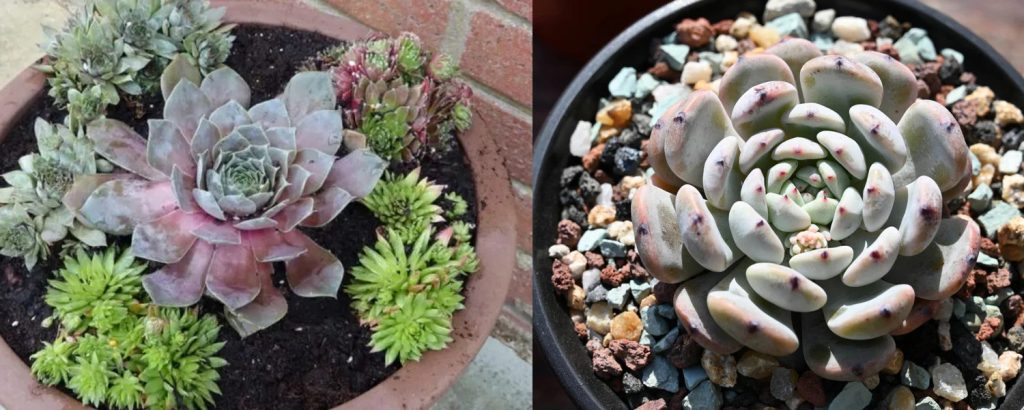
You don’t need a complicated recipe. You just need structure + drainage.
The simple indoor ratio (works for most homes)
1 part succulent/cactus potting mix
1 part gritty mineral (perlite, pumice, horticultural grit)
This gives you a mix that drains fast but still has enough “body” to anchor roots.
A good starting point is a cactus and succulent potting mix as the base so you’re not building from scratch.
The mineral options (what to use and when)
Perlite: light, improves airflow, great for most indoor mixes
Pumice: heavier than perlite, very stable, excellent for top-heavy succulents
Horticultural grit: adds weight and drainage; can be a bit harsher on fine roots if overused
If your succulents tip over easily or you’ve got thicker-stem plants, horticultural pumice for succulents adds drainage and stability.
Pot choice matters as much as the soil
Even the best soil mix won’t help if water can’t escape.
Look for:
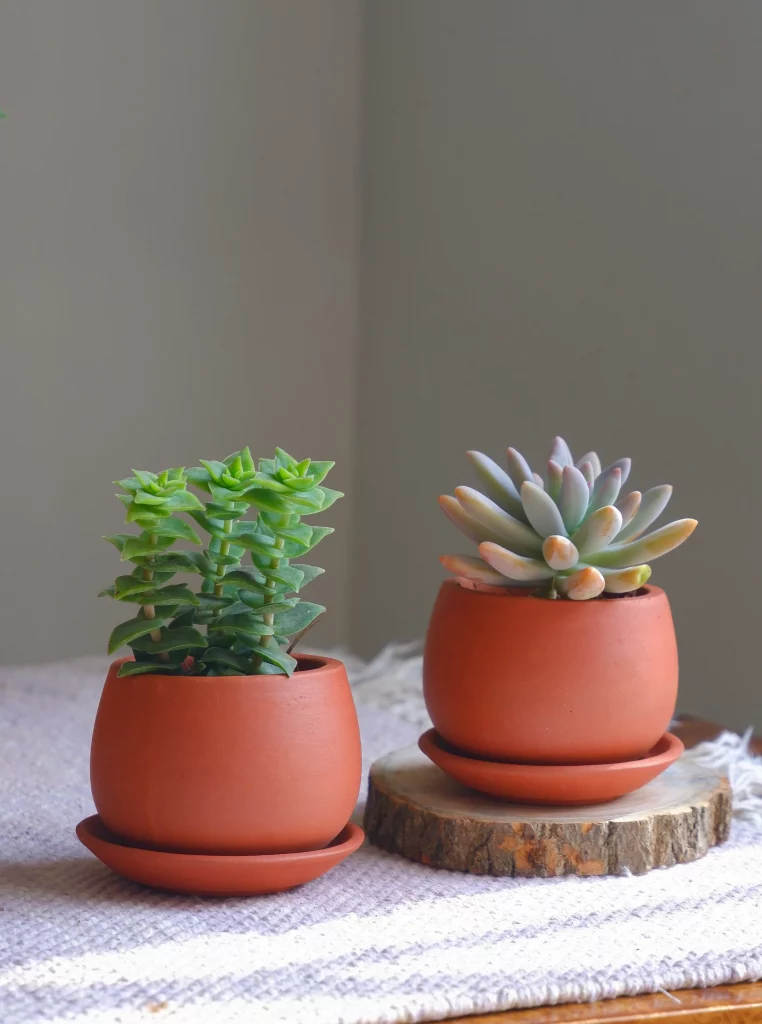
drainage holes (non-negotiable)
a pot size that matches the root ball (too big stays wet)
materials that help drying (terracotta is often easiest)
If you want a quick reality check for “is my pot staying wet too long?”, our Soil Moisture Meter Guide helps you read moisture properly (without false “wet” readings).
How to test if your mix drains well (30-second check)
After watering, your mix should:
start draining within seconds
not leave a puddle sitting on top
feel lighter within 2–4 days in most homes
Quick test: water thoroughly, then check 24 hours later. If the mix still feels cold, heavy, and wet near the centre, add more grit next time.
Common mistakes that ruin indoor succulent soil
Using too much organic compost
Too much compost = slow drying and root stress.
Using sand from the beach or builders’ sand
This can compact and reduce airflow. If you want “sand-like”, choose horticultural grit instead.
Oversized pots
Extra empty soil space holds water far longer than the roots need.
If you keep seeing damp staying trapped at the bottom, that often turns into smells—Why Indoor Plant Soil Smells Bad (7 Causes + Fast Fixes) fits naturally as a deeper diagnosis read.
Top picks made simple
If you only buy one…
Choose a reliable cactus and succulent potting mix and improve it with one gritty add-in as needed.
Best for: beginners who want fewer variables and consistent results indoors.
If you want the easy mode setup…
Use a base mix plus horticultural pumice for succulents so the pot dries evenly and plants stay stable (especially on shelves or windowsills).
Best for: top-heavy succulents, indoor growers who tend to overwater, and cooler rooms.
Long-tail quick fixes
Best soil mix for indoor succulents in low light
Lower light = slower drying. Use a grittier mix (lean closer to 60% mineral / 40% base mix) and water less often.
If you’re unsure what “good indoor light” actually looks like, Best Lights for Indoor Gardening is a helpful overview that makes the basics clearer.
Can I use regular houseplant soil for succulents if I add perlite?
Yes—if you add enough. A small sprinkle won’t change much. For indoor succulents, you usually need a proper split (around half mineral).
Why is my succulent soil still wet after a week?
Common causes:
pot too large
compost too dense
cold windowsill or low airflow
saucer holding water underneath
Most indoor succulents do best in free-draining, gritty compost, which is exactly what the RHS guide to growing houseplant cacti and succulents recommends for healthier roots.
FAQs About Best Soil Mix for Indoor Succulents
Do succulents need special soil indoors?
They need soil that drains fast. Indoors, that usually means a gritty mix, not standard compost.
Is perlite or pumice better for succulents?
Both work. Perlite is lighter and common; pumice is heavier and often stabilises plants better.
Should I put stones at the bottom of the pot?
Not usually. It’s better to improve the whole mix and use proper drainage holes.
How often should I repot succulents into fresh mix?
Roughly every 12–24 months, or sooner if the mix compacts, stays wet too long, or the plant becomes root-bound.
Final Thoughts on Best Soil Mix for Indoor Succulents
The best soil mix for indoor succulents is basically a balanced gritty blend: enough compost to hold the plant and a good amount of mineral grit to keep air moving and moisture draining. Start simple, watch how fast your pot dries in your home, then adjust the grit level until your succulents stay firm, colourful, and steady.
Related Articles
Make succulent care easier
Build a Simple Repotting and Watering Routine
A gritty mix is the foundation, but consistency is what keeps indoor succulents thriving. A quick check routine helps you repot at the right time, water less reactively, and avoid the slow, soggy conditions that cause root problems.