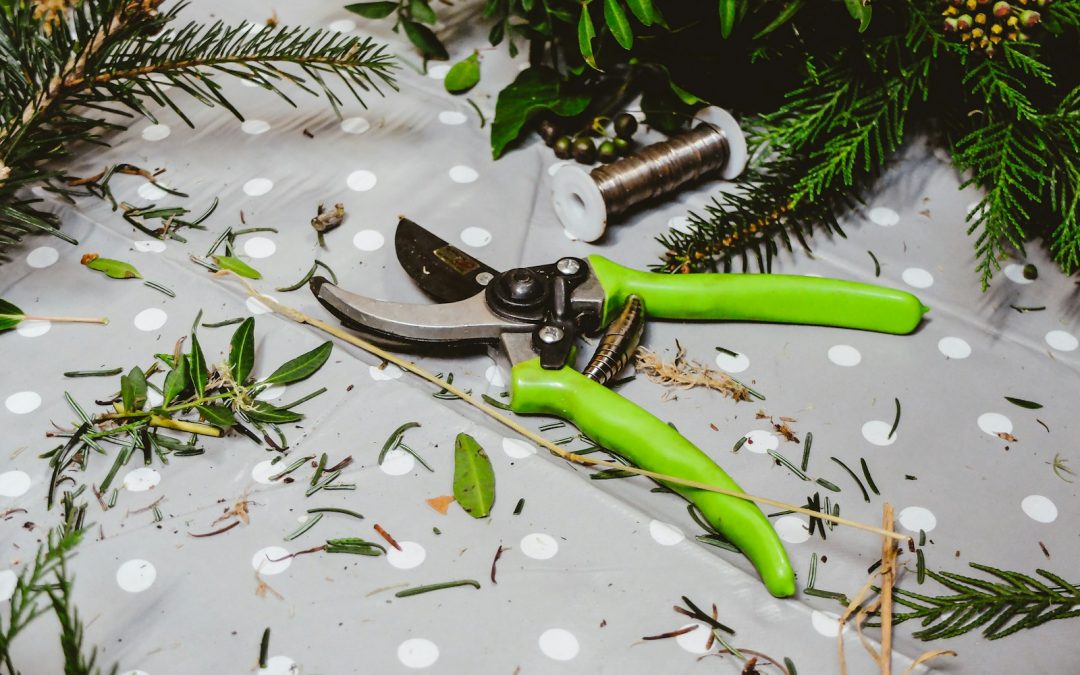
Buying the best pruning shears for indoor plants gets a lot easier once you understand the two tools most people mean: micro-tip pruning snips (precision) and bypass pruning shears (all-round cutting power). The right choice gives cleaner cuts, less plant stress, and a much tidier look on shelves and windowsills.
If you want the actual technique (where to cut, how to shape, and how much is too much), you can also read How to Prune Indoor Plants.
Quick answer: micro-tip vs bypass — which should you buy?
For most houseplants: bypass pruning shears
For delicate trimming and leaf detail: micro-tip pruning snips
For thicker stems (monstera, rubber plant, indoor citrus): bypass pruning shears
For herbs and quick tidy-ups: micro-tip pruning snips
If you only buy one: choose bypass pruning shears first
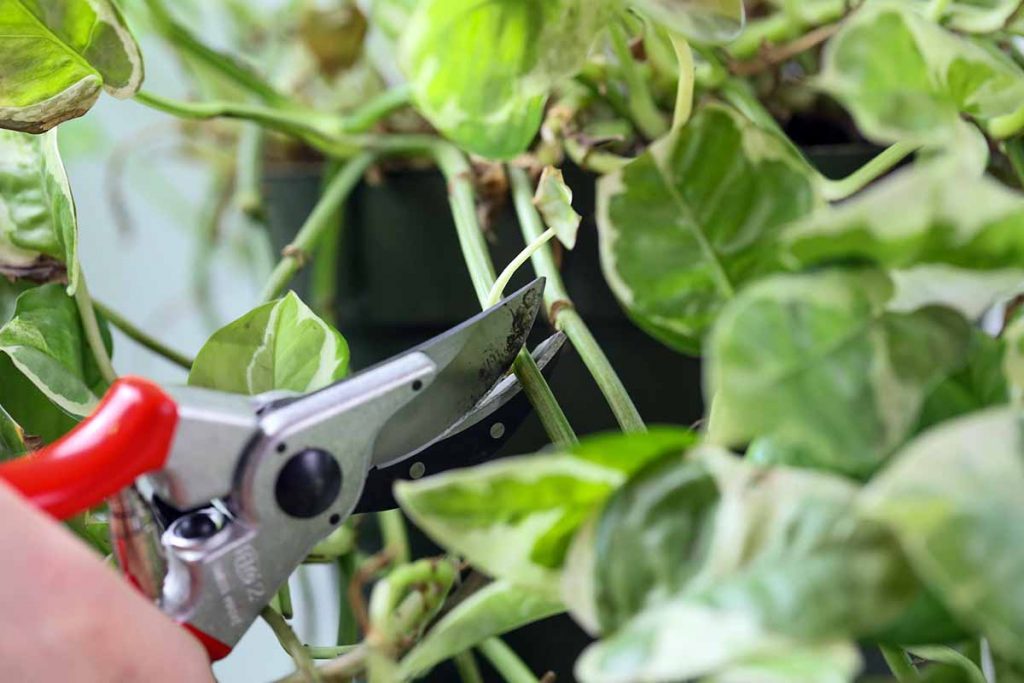
Do this first: Test your current tool on a soft stem (like pothos). If it crushes instead of slices cleanly, upgrading your pruners will instantly improve results.
Contents
- 0.1 Best Pruning Shears for Indoor Plants: What Clean Cuts Actually Do
- 0.2 Micro-Tip vs Bypass: What’s the Difference?
- 0.3 Top Picks Made Simple: Which One Should You Buy First?
- 0.4 What to Look For When Buying Indoor Pruners
- 0.5 How to Prune Properly With Shears (So It Looks Neat)
- 0.6 Clean Your Tools (This Prevents Problems Spreading)
- 0.7 Which Indoor Plants Need Which Tool?
- 0.8 Common Pruning Mistakes That Make Plants Look Worse
- 0.9 FAQs About Pruning Shears for Indoor Plants
- 0.10 Final Thoughts on Best Pruning Shears for Indoor Plants
- 0.11 Related Articles
- 1 Keep Indoor Plant Care Simple and Tidy
Best Pruning Shears for Indoor Plants: What Clean Cuts Actually Do
Pruning isn’t just for looks. Indoors, plants often grow slower, get leggy, and hold onto tired leaves longer. A clean cut helps the plant heal neatly and encourages better-looking growth.
Good pruning tools help you:
shape plants so they stay bushier (especially vining houseplants)
remove dead leaves without tearing tissue
stop stems turning mushy where they’ve been crushed
make propagation easier (clean node cuts root faster)
And there’s a bonus: pruning with a sharp tool is quicker, so you’re more likely to do it regularly instead of putting it off.
Micro-Tip vs Bypass: What’s the Difference?
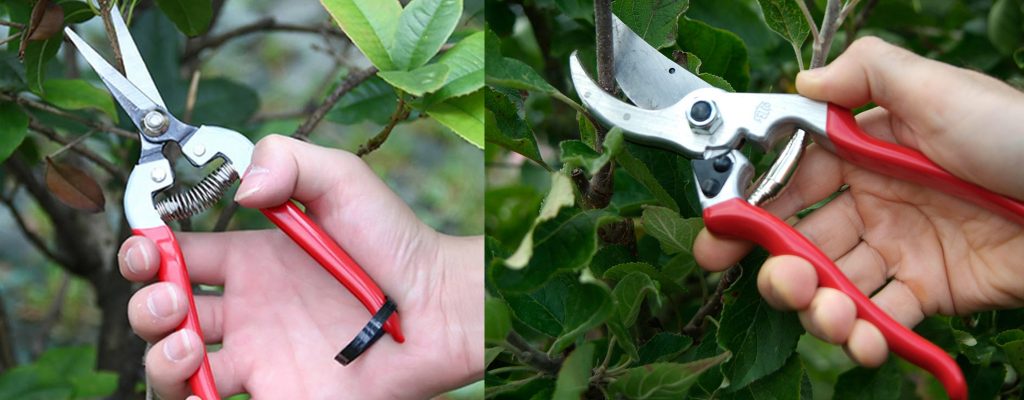
Micro-tip pruning snips (precision tool)
These are small, sharp snips with narrow blades. They’re best when you need control.
Use micro-tips for:
trimming leaf tips and dead edges
cutting thin stems cleanly (pothos, tradescantia, peperomia)
snipping herbs without ripping
tidy pruning in tight spaces (dense foliage)
You’ll love micro-tips if you do lots of small tidy-ups and want neat, “invisible” cuts.
Bypass pruning shears (all-round tool)
Bypass shears cut like scissors: one blade slices past the other. They’re stronger and more versatile.
Use bypass shears for:
thicker stems (rubber plant, monstera, ficus)
shaping woody indoor plants (dwarf citrus, bay, small indoor trees)
removing multiple stems quickly
making clean angled cuts on firm growth
You’ll love bypass shears if you want one tool that covers most indoor plants.
Top Picks Made Simple: Which One Should You Buy First?
If you’re a beginner, the best approach is boring but true:
If you only buy one tool
Choose bypass pruning shears. They handle most indoor jobs and reduce the chance of crushing thicker stems.
Best for: monstera, rubber plant, ficus, indoor citrus, general houseplant pruning.
A comfortable pair of bypass pruning shears is the best all-round upgrade for indoor plant care.
If you want the “easy mode” setup
Add micro-tip pruning snips as your second tool. This combo covers nearly everything without clutter.
Best for: pothos, tradescantia, herbs, deadheading, tight spaces and tidy shaping.
For detail trimming and herbs, micro-tip pruning snips give cleaner cuts and more control than big secateurs indoors.
That’s all most indoor gardeners need — you don’t have to buy five different tools.
If you want a reliable option that lasts, pick stainless steel blades and a comfortable grip — it makes clean cuts much easier indoors.
What to Look For When Buying Indoor Pruners
1) Sharp blades (more important than brand)
If the tool tears or pinches, the cut heals poorly and can look messy for weeks.
2) Comfortable grip
Indoor pruning often means awkward angles. A handle that feels good reduces hand strain and helps you control the cut.
3) Easy safety lock
You want a lock you can flick on/off with one hand.
4) Size that suits indoor spaces
Outdoor pruners can be bulky indoors. Many people prefer a medium bypass shear for general pruning, plus small snips for detail.
How to Prune Properly With Shears (So It Looks Neat)
Where to cut
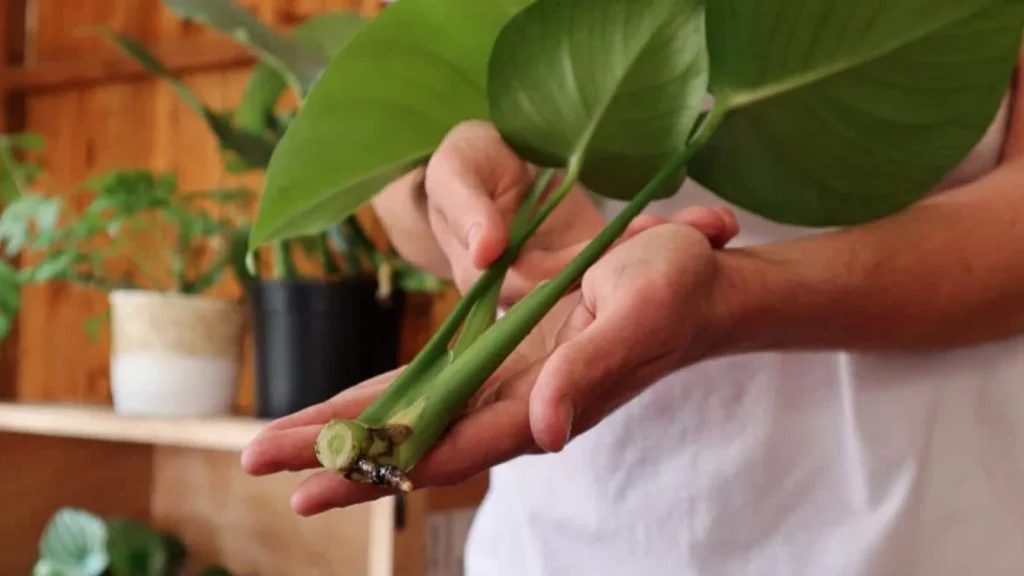
Cut just above a node (where leaves and new growth emerge)
Don’t leave long stumps (they often brown)
Don’t cut too close to the node (you can damage future growth)
How much to cut
A safe indoor rule:
remove up to 20–30% at once for routine pruning
If your plant is already stressed (droopy, yellowing fast), do a lighter tidy and fix the care issue first.
Make plants bushier (simple trick)
Instead of chopping everything, prune one long stem back to a node, then wait 1–2 weeks and repeat. This looks better and keeps the plant steady.
Clean Your Tools (This Prevents Problems Spreading)
Indoor plants sit close together. If one has pests or a leaf spot issue, dirty tools can spread it.
A simple routine:
wipe blades after pruning a suspect plant
remove sticky sap before it dries
store tools dry so they don’t rust
According to University of Minnesota Extension guidance on cleaning and disinfecting pruning tools, sanitising blades between plants helps reduce the spread of plant problems.
Which Indoor Plants Need Which Tool?
Vining plants (pothos, philodendron, tradescantia)
micro-tips for quick tidy cuts near nodes
bypass shears if stems are thicker or you’re reshaping
Thick-stem houseplants (rubber plant, monstera, ficus)
bypass shears are usually best
micro-tips for small side shoots and detailed trimming
Herbs indoors (basil, mint, parsley)
micro-tips make harvesting cleaner and help plants branch out
If you grow mint indoors, you might like How to Prune Mint Guide.
Common Pruning Mistakes That Make Plants Look Worse
Using blunt scissors: crushes stems and causes ragged edges
Cutting too far from nodes: leaves brown stumps behind
Over-pruning in one go: plant struggles and looks sparse
Pruning when soil is soggy: some plants respond poorly if roots are stressed
If your plant struggles after trimming, it’s often not the cut — it’s the care basics. A quick read that helps is Common Indoor Plant Problems.
FAQs About Pruning Shears for Indoor Plants
Do I need micro-tip snips if I already have bypass shears?
Not essential, but they make small, neat trims much easier, especially for herbs and delicate stems.
Can I use kitchen scissors on houseplants?
You can if they’re extremely sharp, but many crush stems. Proper pruners give cleaner cuts and better results.
How often should I prune indoor plants?
Whenever growth looks leggy or leaves are dying back. Light, regular trimming beats one big chop.
Should I disinfect pruners between plants?
If a plant looks unhealthy, yes. For general tidy pruning, wiping blades often is usually enough.
What’s the best tool for thick stems indoors?
A comfortable pair of bypass pruning shears is the safest choice for thicker, woody or firm stems.
Final Thoughts on Best Pruning Shears for Indoor Plants
The best pruning shears for indoor plants usually comes down to this: bypass shears for most jobs, and micro-tip snips for precision. If you start with bypass shears and add snips later, you’ll cover nearly every indoor plant without overbuying.
Once your cuts are clean and consistent, pruning stops feeling risky — and your plants quickly start looking more balanced and cared for.
Related Articles
UPGRADE YOUR PLANT CARE SETUP
Keep Indoor Plant Care Simple and Tidy
Once you’ve got the right pruning tool, the next step is having a simple indoor toolkit that makes watering, cleaning leaves, and quick pest checks easier. Small improvements here help plants look better and stay healthier with less effort.