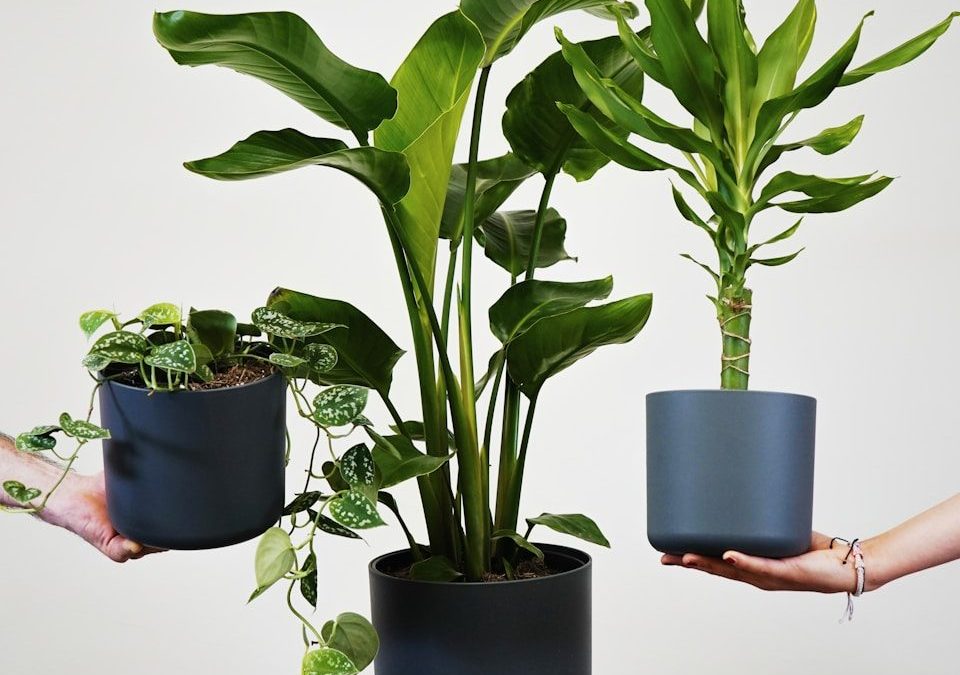
Growing vegetables indoors is much easier when the pot actually suits the crop. A container that is too small, too shallow or badly drained can leave vegetables struggling before light, feeding or watering even become the main issue.
The best pots for indoor vegetables give roots enough space, hold moisture evenly, drain properly and still fit the room you are growing in. Whether you want herbs, salad leaves, radishes, peppers or compact tomatoes, choosing the right size and depth makes the whole setup more reliable.
Quick answer: what pots are best for indoor vegetables?
The best pots for indoor vegetables are deep enough for the crop’s roots, wide enough to stop the plant becoming cramped, and fitted with proper drainage holes. Shallow containers can work for salad leaves and herbs, while fruiting vegetables like peppers and compact tomatoes need deeper pots with more growing mix.
Do this first
Decide what vegetable you want to grow before choosing the pot. A lettuce tray, a basil pot and a tomato container should not all be the same size. If the crop has deeper roots, heavier top growth or needs steadier moisture, it needs more depth and more compost around the roots.
Why pot size matters for indoor vegetables
Vegetables grown indoors depend completely on the container you give them. They cannot spread roots into garden soil, so the pot controls how much moisture, air and root space the plant has.
A pot that is too small can lead to:
- faster drying
- weaker growth
- smaller harvests
- crowded roots
- plants tipping over
- more frequent watering stress
A bigger pot is not always better, though. If the container is far too large for a small seedling, the unused compost can stay wet for too long and make root problems more likely.
If your containers keep drying too fast or staying wet for too long, How Often to Water Indoor Plants can help you build a better watering rhythm around the pot size.
Best pot depth for indoor vegetables
Pot depth is one of the most important things to get right. Shallow-rooted crops can grow well in smaller containers, but deeper-rooted or fruiting vegetables need more room.
A simple guide:
- Herbs and microgreens: 10–15 cm deep
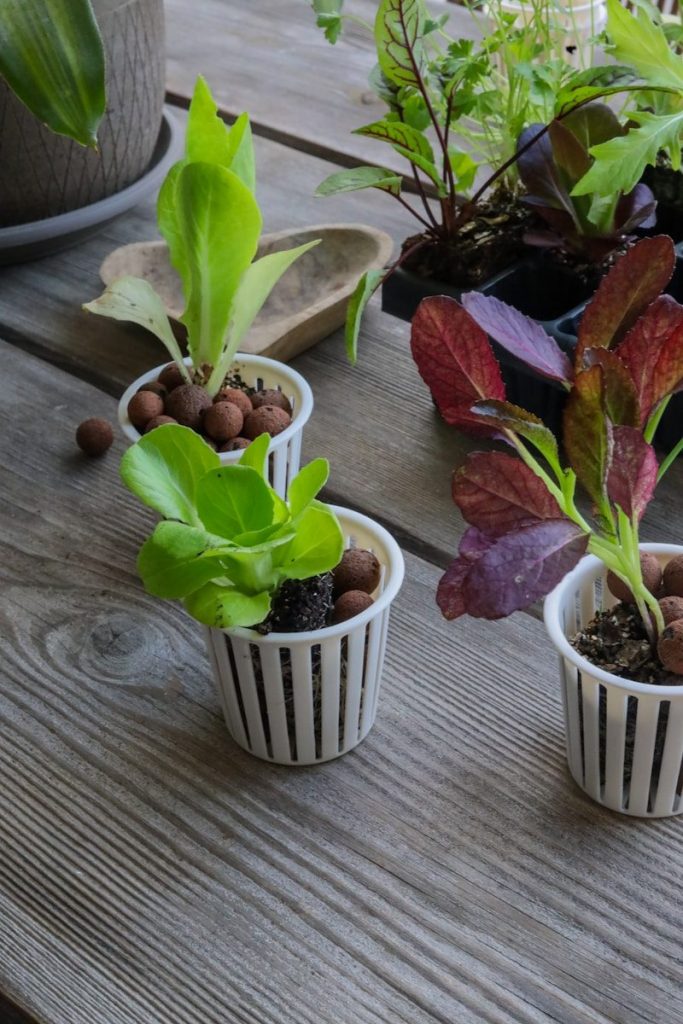
- Lettuce and salad leaves: 15–20 cm deep
- Radishes and spring onions: 15–20 cm deep
- Spinach and chard: 20–25 cm deep
- Peppers and dwarf tomatoes: 25–35 cm deep
- Carrots: 25–40 cm deep, depending on variety
University of Maryland Extension groups vegetable containers by crop size and recommends deeper containers for larger vegetables, which is why pot depth matters just as much as the pot’s width.
That does not mean every crop needs the biggest container you can fit indoors. It means the pot should match the vegetable’s root system and growth habit.
Best pot size by indoor vegetable type
Salad leaves
Salad leaves are one of the easiest indoor vegetables because they do not need very deep pots. A wide, shallow container is often better than a narrow deep one because you can grow several plants across the surface.
Good pot choice:
- wide tray or rectangular planter
- around 15–20 cm deep
- drainage holes underneath
- enough surface area for several leaves
Herbs
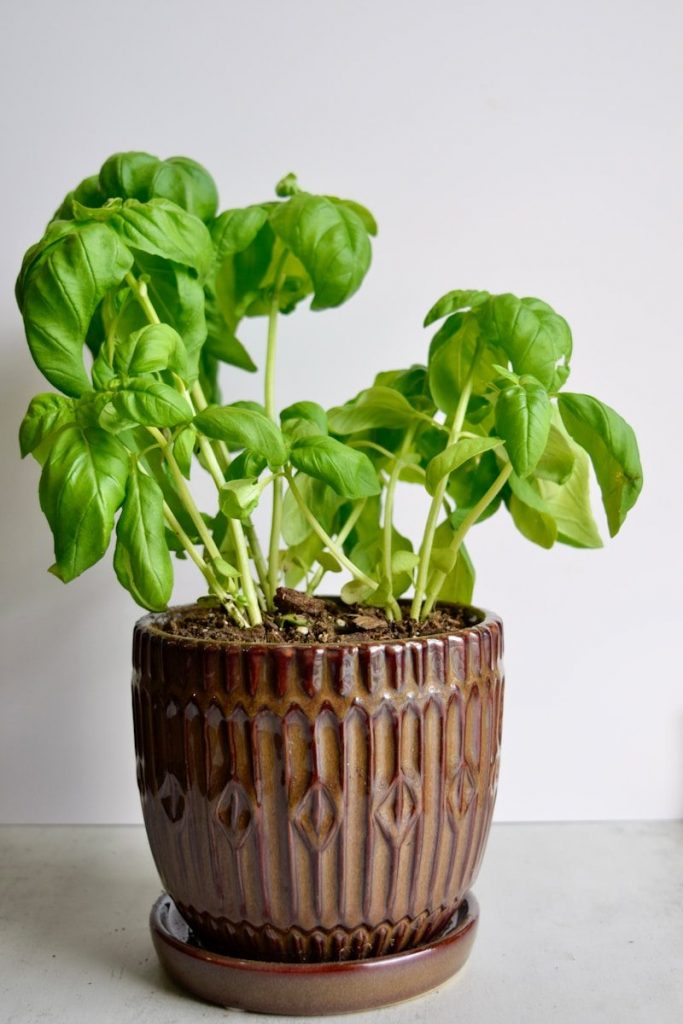
Many herbs grow well indoors in medium pots, especially if they have good drainage and enough light. Basil, parsley, coriander and mint all benefit from enough root room, but they do not usually need huge containers indoors.
Good pot choice:
- 12–20 cm pot for individual herbs
- deeper pot for larger basil or mint
- saucer underneath to protect surfaces
If you want herbs with less compost mess, Grow Plants Without Soil is a useful next read because hydroponic herbs can work well in small indoor setups.
Radishes and spring onions
Radishes and spring onions can work indoors if the pot gives them enough depth and light. They need more room than microgreens but less than larger fruiting crops.
Good pot choice:
- 15–20 cm deep
- wide enough for spacing
- light, free-draining mix
Peppers
Peppers need more root space because they are fruiting plants. A small pot may keep the plant alive, but a deeper container gives it a better chance of producing properly.
Good pot choice:
- at least 25–30 cm deep
- sturdy base
- good drainage
- enough width to stop the plant becoming unstable
Dwarf tomatoes
Dwarf or patio tomatoes are better for indoor growing than full-size varieties. They still need a decent pot because fruiting plants use a lot of water and nutrients.
Good pot choice:
- deep container around 30 cm or more
- strong drainage
- stable shape
- support if the plant becomes top-heavy
A deep indoor vegetable planter with drainage holes can work well for compact tomatoes, peppers and other larger indoor crops.
Drainage matters more than the pot material
A pot can look perfect but still cause problems if it does not drain properly. Indoor vegetables dislike sitting in soggy compost, especially when light levels are lower and the room is cooler.
Look for:
- drainage holes underneath
- a saucer or tray to catch runoff
- enough depth for the crop
- a shape that does not tip easily
- material that suits your watering habits
Plastic pots are lightweight and hold moisture longer. Terracotta pots breathe more and dry faster. Fabric pots can give good airflow, but they may dry out quickly indoors and need a tray underneath.
If water keeps collecting at the bottom of your containers, Improve Indoor Plant Drainage can help you fix the setup before your vegetables struggle.
Best pot materials for indoor vegetables
Plastic pots
Plastic pots are light, affordable and easy to move. They hold moisture well, which can be useful for thirsty crops, but they also make overwatering easier if drainage is poor.
Terracotta pots
Terracotta looks natural and helps compost dry faster. This can be useful if you tend to overwater, but it may not be ideal for vegetables that need steadier moisture.
Fabric pots
Fabric pots can improve airflow around roots, but they need careful watering indoors because they can dry quicker and may leak moisture onto surfaces without a tray.
Rectangular planters
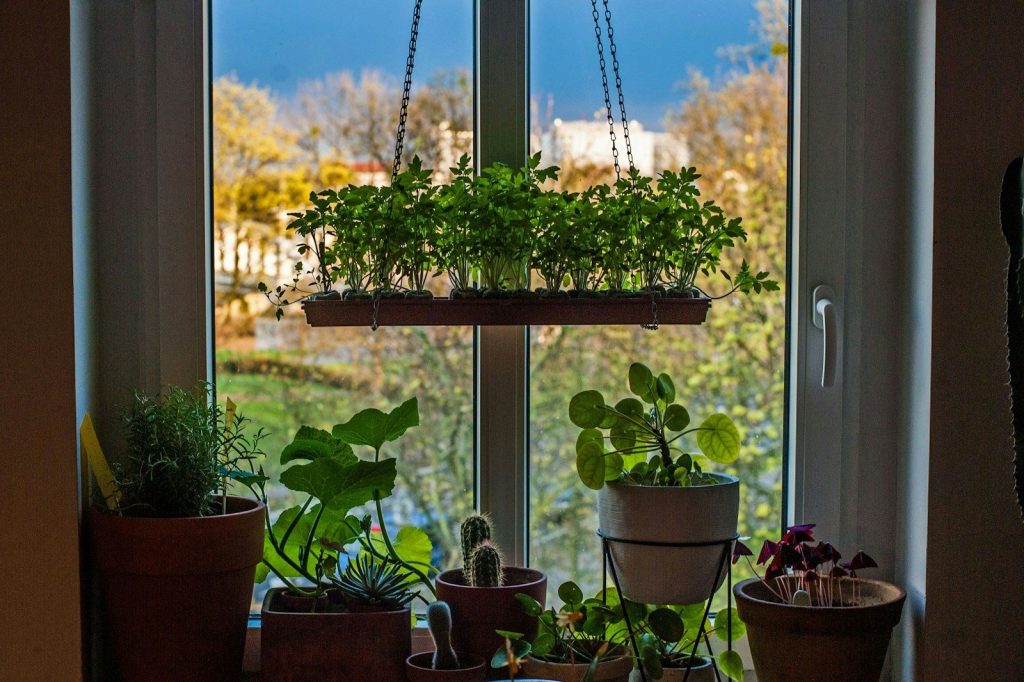
Rectangular planters are excellent for salad leaves, herbs, spring onions and small-space growing because they make good use of windowsills, shelves and grow-light stands.
A rectangular windowsill planter with drainage tray is useful for salad leaves, herbs and small indoor vegetable crops.
Shallow pots vs deep pots for indoor vegetables
Shallow pots are not bad. They are just crop-specific.
Use shallow pots for:
- microgreens
- lettuce
- salad leaves
- some herbs
- spring onions
Use deeper pots for:
- carrots
- peppers
- dwarf tomatoes
- chard
- larger herbs
- fruiting vegetables
The mistake is trying to grow everything in the same shallow container. Salad leaves may be fine, but a compact tomato plant will usually need more root space, more stability and more compost volume.
How many vegetables can you grow in one pot?
It depends on the crop and the container size. Salad leaves can be sown more closely, while fruiting vegetables usually need their own pot.
A simple rule:
- one pepper per medium-deep pot
- one dwarf tomato per deep container
- several lettuce plants in a wide tray
- several herbs only if the planter is wide enough
- root crops spaced according to the variety
Crowding too many vegetables into one pot usually means smaller plants, faster drying and more competition for nutrients.
Pot size mistakes to avoid indoors
The most common mistake is choosing a pot based on how it looks rather than how the vegetable grows.
Avoid:
- tiny pots for fruiting vegetables
- decorative pots with no drainage holes
- oversized pots for small seedlings
- shallow containers for deep-rooted crops
- narrow pots that tip once plants grow taller
- cramming too many vegetables into one planter
Once you have the right pot, Best Indoor Plant Soil Mix can help you choose a growing medium that drains well but still holds enough moisture for indoor crops.
Best indoor vegetable pots for small spaces
If space is tight, choose containers that make use of shelves, windowsills and vertical space without becoming awkward to water.
Good options include:
- rectangular windowsill planters
- stacking herb planters
- narrow troughs
- deep single pots for peppers or tomatoes
- small grow bags with trays
- compact self-watering planters for suitable crops
A small space does not mean every pot has to be tiny. It means each pot should earn its place and suit the crop properly.
If you are working with shelves, windowsills or a compact growing corner, Best Small-Space Gardening Tools can help you keep the setup practical.
FAQs
What size pot is best for indoor vegetables?
It depends on the crop. Salad leaves can grow in shallow trays, while peppers and dwarf tomatoes need deeper pots with more compost volume.
Do indoor vegetable pots need drainage holes?
Yes. Drainage holes are important because they help stop water sitting around the roots and causing soggy compost.
Can I grow vegetables indoors in small pots?
Yes, but choose the right crops. Herbs, lettuce, microgreens, spring onions and some radishes are much better suited to smaller pots than large fruiting vegetables.
Are deep pots better for indoor vegetables?
Deep pots are better for crops with larger roots or heavier top growth, such as peppers, carrots and dwarf tomatoes. Shallow pots are fine for salad leaves and microgreens.
Choose the Right Setup Before You Start Growing
Best Vegetables for Indoor Gardening
The right pot makes a big difference, but the crop still matters most. If you want an easier starting point, Best Vegetables for Indoor Gardening can help you choose indoor vegetables that suit your space, light and container size.
Final Thoughts on the Best Pots for Indoor Vegetables
The best pots for indoor vegetables are not always the biggest or most expensive. They are the ones that match the crop, give roots enough room, drain properly and fit the space you actually have.
Start with the vegetable first, then choose the pot around its depth, width and watering needs. That simple shift makes indoor growing much easier and gives your plants a better chance of producing well.
Related Articles
CHOOSE VEGETABLES THAT FIT YOUR SPACE
Pick Indoor Vegetables That Suit Your Pots
The right pot helps, but the vegetable still needs to match your space, light, and container depth. If you want an easier start, choose compact crops that grow well indoors without needing huge pots or complicated equipment.