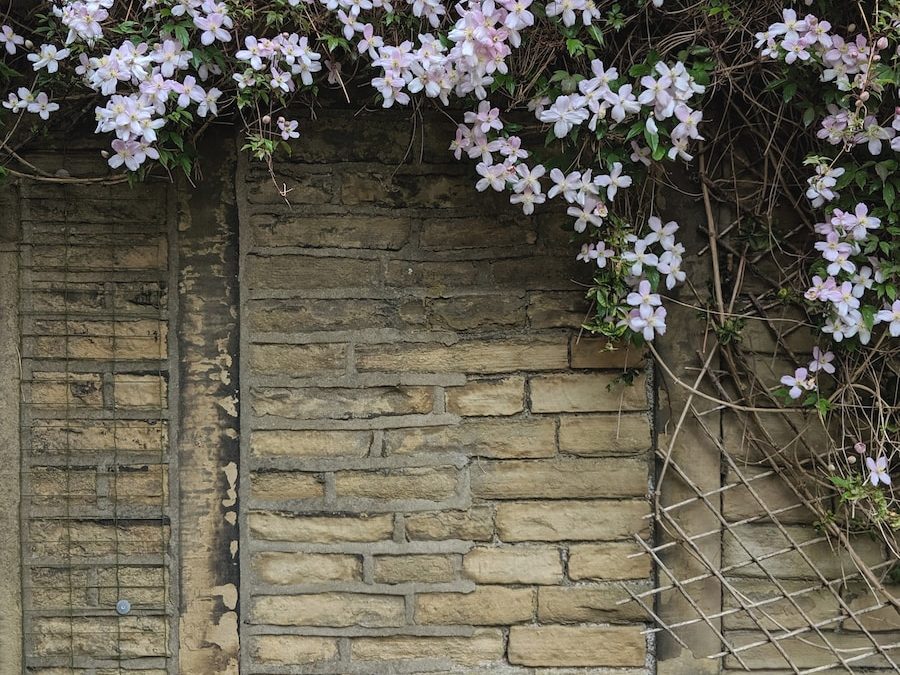
The best climbing plants can totally transform a garden – covering ugly fences, softening walls, and adding height and colour without eating up precious floor space. Whether you’ve got a big border, a tiny courtyard, or just a balcony, there’s a climber that will work for you.
If you’re also trying to garden more sustainably, it pairs really well with our Eco-Friendly Gardening Tips guide so you can choose supports, soils, and feeds that are kinder to the planet too.
Contents
- 0.1 How to Choose the Best Climbing Plants for Your Garden
- 0.2 Best Climbing Plants for Sunny Gardens
- 0.3 Best Climbing Plants for Shady or North-Facing Gardens
- 0.4 Best Climbing Plants for Small Spaces and Containers
- 0.5 Climbing Plants for Wildlife-Friendly Gardens
- 0.6 Training and Supporting Climbing Plants
- 0.7 FAQs About the Best Climbing Plants for Every Type of Garden
- 0.8 Final Thoughts on the Best Climbing Plants for Every Type of Garden
- 0.9 Related Articles
- 1 Discover the Best Plants for Your Indoor Vertical Garden
How to Choose the Best Climbing Plants for Your Garden
Before you pick specific climbing plants, it helps to think about what you actually need them to do. That way you don’t end up with a beautiful climber in completely the wrong place.
Ask yourself:
What’s the main job? Hide a fence, cover a wall, frame a doorway, or add colour?
How much sun is there? Full sun, partial shade, or deep shade?
How big is the space? Small patio, narrow border, or large garden?
How much maintenance are you happy with? Light pruning or happy to tackle vigorous growth?
Once you know the answers, choosing the best climbing plants for your garden becomes much simpler.
Best Climbing Plants for Sunny Gardens
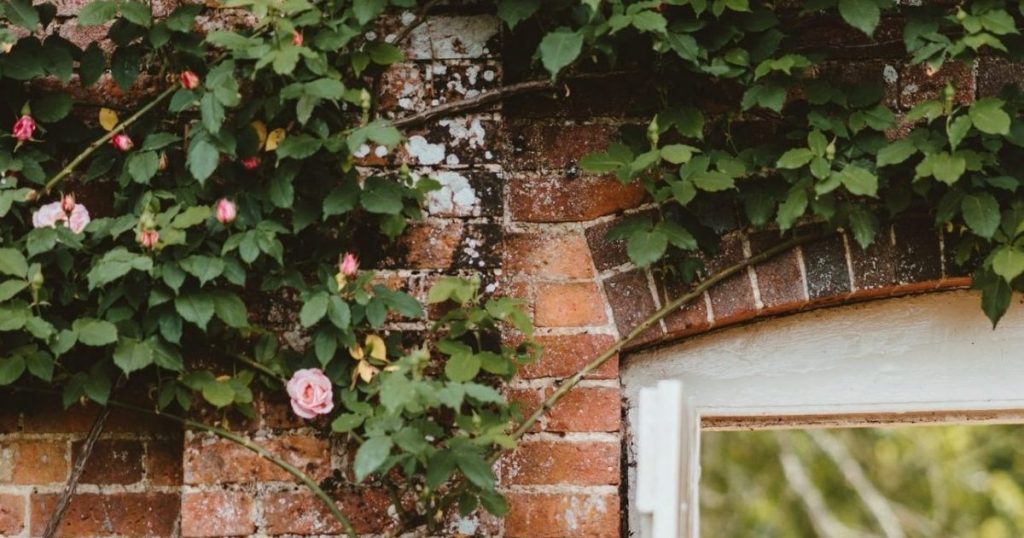
If you’ve got a sunny wall or fence, you’re spoilt for choice. Many of the best climbing plants really love full sun and will reward you with masses of flowers.
Climbing roses – Great for traditional, romantic gardens. They need a sturdy support and some pruning, but the reward is big, scented blooms over a long season.
Clematis (sun-loving varieties) – Many clematis thrive in sun as long as their roots are shaded by mulch or low plants. They’re ideal if you want a range of flower colours and shapes.
Honeysuckle (sunny spots) – Scented honeysuckles can be brilliant on sunny walls or pergolas, especially near seating areas where you can enjoy the fragrance.
Wisteria (larger spaces) – Wisteria needs strong support and regular pruning, but in bigger gardens it’s hard to beat those dramatic spring flower clusters.
A heavy-duty metal garden trellis suitable for climbing roses and clematis is a great investment if you’re training these climbers up a wall or freestanding frame.
Best Climbing Plants for Shady or North-Facing Gardens
Shady gardens don’t have to miss out on climbers. Some of the best climbing plants actually cope better with less intense light.
Climbing hydrangea (Hydrangea anomala subsp. petiolaris) – One of the few climbers that will cling to shady walls and still produce attractive foliage and lace-like flowers.
Ivy (Hedera varieties) – Evergreen, tough, and very shade-tolerant. Stick to less vigorous or variegated types in smaller gardens and keep on top of pruning.
Star jasmine in light shade – In milder climates, star jasmine can cope with partial shade and still give glossy leaves and scented flowers.
These climbers are perfect if your garden faces north or you have tall neighbouring buildings blocking the sun. They’re all good options if you want green coverage more than masses of flowers.
Best Climbing Plants for Small Spaces and Containers
Even tiny gardens, balconies, or courtyards can benefit from climbing plants. The best climbing plants for small spaces grow happily in containers and don’t take over.
Compact clematis varieties – Many clematis stay fairly manageable and do well in large pots with a small obelisk or trellis.
Sweet peas (annual climbers) – Great in containers for seasonal colour and scent. Once they’re finished, you can replant the pot with something else.
Dwarf climbing roses – Some modern roses are bred to be more compact and suit large pots with a strong support.
Annual climbers like morning glory or black-eyed Susan vine – Perfect if you want fast cover for a season without committing to a permanent plant.
A set of adjustable soft plant ties for climbing plants in containers will help you train stems neatly up obelisks or balcony railings without damaging them.
Climbing Plants for Wildlife-Friendly Gardens
If you want your garden to buzz with life, many of the best climbing plants double up as food and shelter for birds, bees, and other wildlife.
Good options include:
Honeysuckle – Nectar-rich flowers attract bees and moths, and berries feed birds later in the year.
Clematis – Flowers support pollinators, and dense growth can offer nesting spots for small birds.
Ivy – Late flowers are valuable for insects, and mature ivy provides berries for birds plus great shelter.
When choosing the best climbing plants for wildlife, focus on varieties with open, nectar-rich flowers and avoid over-pruning everything into very tight shapes – a bit of looseness is often more wildlife-friendly.
According to RHS guidance on wildlife-friendly climbers, plants like honeysuckle and ivy can be especially valuable food sources in late season when other flowers have faded.
Training and Supporting Climbing Plants
Even the best climbing plants will struggle if they don’t have anything to cling to. Different climbers use different methods to climb, but most will need a little help to get started.
Basic tips for training climbers:
Fix trellis, wires, or mesh firmly to walls and fences before planting.
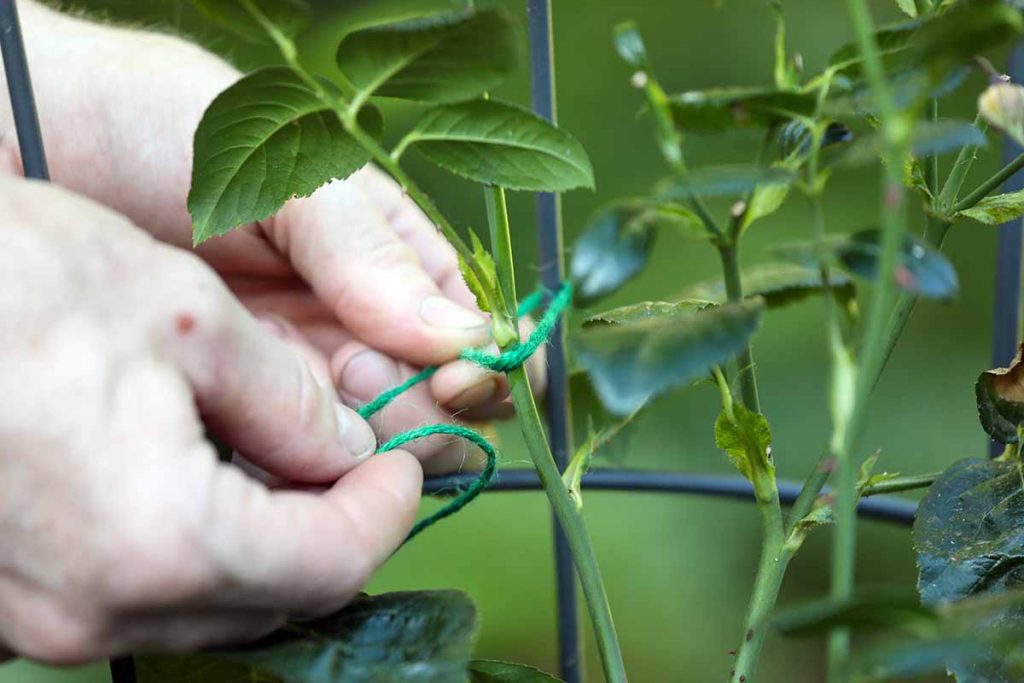
Gently tie stems to supports using soft plant ties, string, or old fabric strips.
Fan stems out sideways as well as upwards to create even coverage.
Prune lightly to remove dead or crossing growth and encourage fresh shoots.
Over time, many climbers will “know” their path and need fewer ties, but checking ties every so often stops them digging into thickening stems.
FAQs About the Best Climbing Plants for Every Type of Garden
1. What is the easiest climbing plant to grow?
For most gardens, honeysuckle, clematis, and many modern climbing roses are fairly straightforward once established, as long as they’re planted in the right light and have good support. Ivy is also very tough but needs regular pruning.
2. Which climbing plants are best for privacy?
Fast-growing climbers like honeysuckle, ivy, and some vigorous clematis varieties are ideal for covering fences and pergolas to create more privacy. Just keep up with pruning so they don’t become too dominant.
3. Can I grow climbing plants in pots?
Yes. Many of the best climbing plants can grow well in large containers with a strong trellis or obelisk. Just use a good quality potting mix, make sure drainage is excellent, and water and feed regularly.
4. What climbing plants are good for shade?
Climbing hydrangea and ivy are both excellent choices for shady walls and fences. They cope well with low light where many flowering climbers would struggle.
5. Do climbing plants damage walls or fences?
Some self-clinging climbers can get into cracks or weak surfaces over time. If you’re worried, use freestanding trellis or wires fixed a little away from the wall so stems grow on the support rather than directly on the surface.
Final Thoughts on the Best Climbing Plants for Every Type of Garden
The best climbing plants for your garden depend on your light, space, and how much time you want to spend on pruning. Once you match the right climber to the right spot, they’re one of the easiest ways to add height, colour, privacy, and even wildlife value without losing floor space.
Start with one or two carefully chosen climbers, give them strong supports and consistent care while they get established, and keep an eye on pruning as they grow. Before long, you’ll have walls, fences, and arches that feel like a natural part of the garden rather than bare structures you’re trying to hide.
Related Articles
BUILD A VERTICAL GARDEN THAT REALLY WORKS
Discover the Best Plants for Your Indoor Vertical Garden
Once you’ve chosen the best climbing plants for your outdoor spaces, you can bring that same vertical interest indoors too. Our Ultimate Guide to the Best Plants for Your Indoor Vertical Garden shows you how to pick plants, plan layouts, and keep living walls healthy in small spaces.