
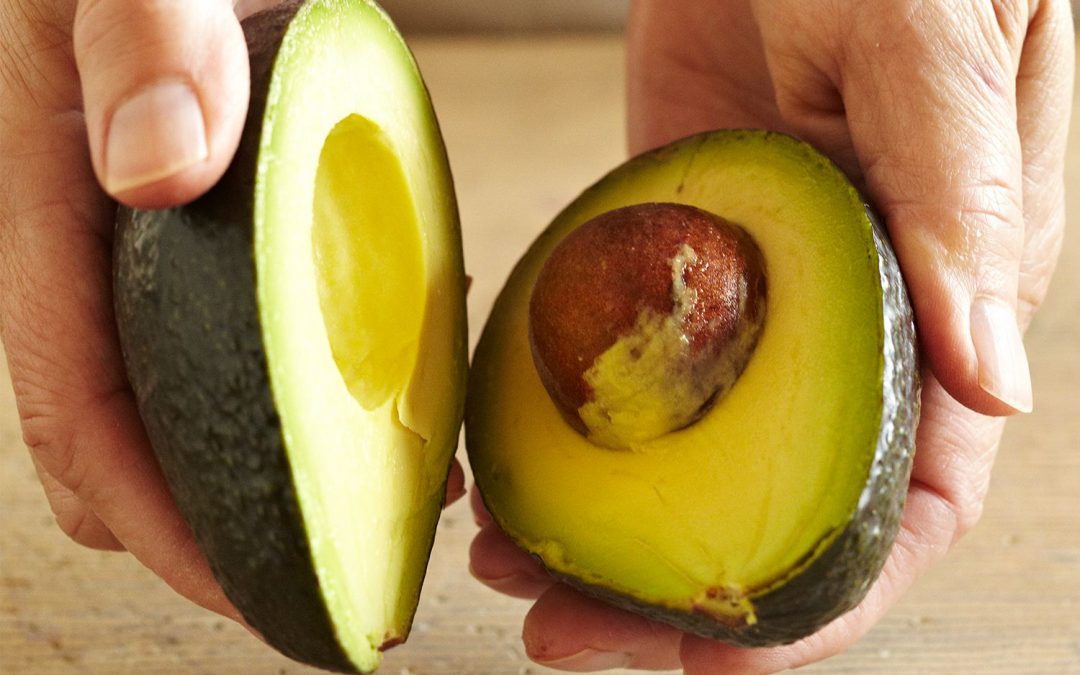
Avocado trees look tropical and exotic, but with the right care they can be surprisingly happy in a pot at home. Whether you’ve grown yours from a supermarket stone or bought a grafted dwarf variety, a few simple habits will keep it leafy, healthy, and – with luck – eventually fruiting.
If you’re just getting into fruit trees indoors, you might also like a compact citrus option such as a Dwarf Lemon Tree – it’s perfect for bright kitchens and sunny windowsills.
Contents
- 0.1 Choosing the Right Avocado Tree for Indoors
- 0.2 Light and Temperature Needs
- 0.3 Best Soil and Pot for Avocado Trees
- 0.4 Watering: Keeping Moist but Never Soggy
- 0.5 Feeding and Growth
- 0.6 Pruning and Shaping Your Avocado Tree
- 0.7 Repotting Without Stressing the Tree
- 0.8 Pollination and Fruiting Indoors
- 0.9 Common Problems and How to Fix Them
- 0.10 FAQs About Indoor Avocado Trees
- 0.11 Final Thoughts on Avocado Tree Care
- 0.12 Related Articles
- 1 Explore More Fruit Tree Guides
Choosing the Right Avocado Tree for Indoors
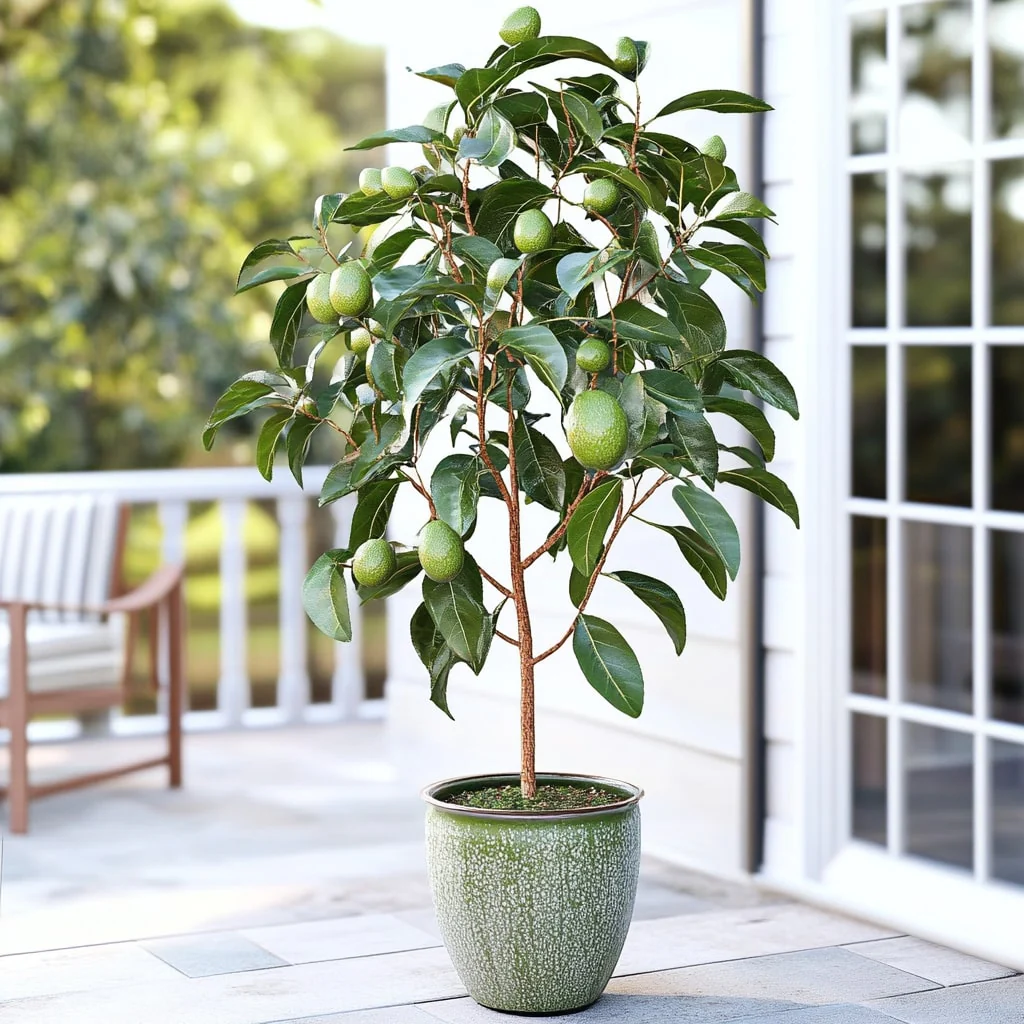
Most indoor gardeners do best with a grafted dwarf avocado rather than a seed-grown tree.
Dwarf varieties (often labelled for containers or patios) stay shorter and branch more densely.
Grafted trees usually fruit sooner and more reliably than seed-grown ones.
If you already have a seed-grown plant, that’s fine – it just may stay as a foliage houseplant for many years.
Light and Temperature Needs
Light
Avocados love bright, indirect light and will sulk in dark corners.
Aim for at least 6 hours of bright light daily.
A sunny south- or west-facing window is ideal, but avoid scorching midday sun right through glass.
In winter or gloomy homes, a full-spectrum LED grow light positioned 20–30 cm above the foliage can prevent leggy, pale growth.
Temperature
Ideal range: 18–24°C.
Protect from cold draughts and sudden temperature drops.
Avoid placing the pot directly above radiators or heaters, which dry out soil and scorch leaves.
Best Soil and Pot for Avocado Trees
Avocados hate “wet feet,” so drainage is everything.
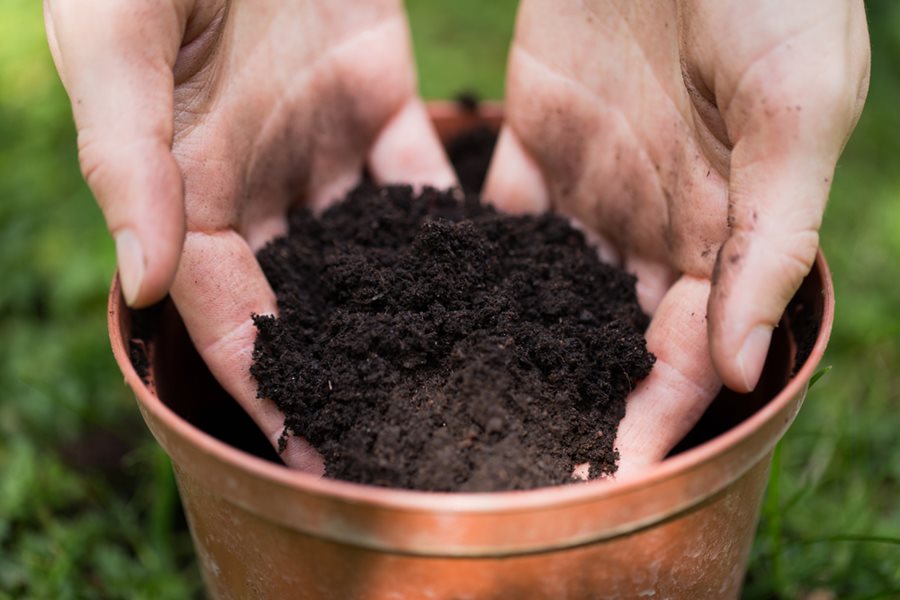
Use a well-draining potting mix, such as a houseplant or citrus mix with added perlite or grit.
Choose a pot with drainage holes that’s only 2–5 cm wider than the current root ball – oversized pots stay wet for too long.
Add a thin layer of clay pebbles or coarse gravel at the bottom if your pot is deep.
Watering: Keeping Moist but Never Soggy
Overwatering is the quickest way to lose an indoor avocado.
Finger test: water when the top 3–5 cm of soil feels dry, not just the surface.
Water thoroughly until excess runs from the drainage holes, then empty the saucer.
In winter, when growth slows, expect to water less often.
Yellowing leaves and constantly wet soil usually mean too much water; dry, crispy edges suggest too little.
If your home air is very dry, lightly mist the foliage or stand the pot on a pebble tray with water below (without soaking the roots).
Feeding and Growth
Avocados are fairly hungry once established.
Feed during spring and summer with a balanced liquid fertiliser every 4–6 weeks at half strength.
Skip feeding in winter when growth naturally slows.
Look for fertilisers that include micronutrients like iron and magnesium to prevent pale leaves.
Pruning and Shaping Your Avocado Tree
Regular pruning keeps an avocado tree compact and bushy indoors.
When young plants reach about 30–40 cm, pinch out the tip to encourage side branches.
Each time a stem grows another 20–30 cm, pinch or trim above a leaf node to create a fuller shape.
Remove dead, damaged, or crossing branches to improve airflow.
Always use clean, sharp pruners to avoid introducing disease.
Repotting Without Stressing the Tree
Avocados don’t like their roots disturbed too often, but they also dislike being completely pot-bound.
Repot when you notice:
Roots circling the bottom drainage holes.
Water running straight through the pot without soaking in.
Soil that looks compacted and tired.
Move up just one pot size, refresh with fresh mix, and keep the tree out of strong sun for a week while it settles.
Pollination and Fruiting Indoors
Getting actual avocados indoors can be tricky, but not impossible.
Grafted varieties labelled as “self-fertile” stand the best chance.
Trees usually need to be at least 3–4 years old before they attempt to fruit.
Good light, consistent feeding, and avoiding extremes of temperature make flowering more likely.
If your plant blossoms, gently tap or brush the flowers to move pollen between them, mimicking insect activity. Even with good care, it’s normal for indoor avocados to be mainly foliage plants rather than reliable fruit producers – so enjoy the lush, tropical look first, fruit second.
Common Problems and How to Fix Them
Brown Leaf Tips
Often caused by under-watering, low humidity, or fertiliser salts building up.
Check watering routine.
Flush the pot with plain water every few months to wash out excess salts.
Yellow Leaves
Usually linked to over-watering or poor drainage.
Let the soil dry out more between waterings.
If the pot is heavy and soggy, repot into fresh, free-draining mix.
Pests
Spider mites, scale, and aphids are the main culprits indoors.
Check the undersides of leaves regularly.
Wipe leaves with a damp cloth and treat infestations with insecticidal soap or horticultural oil.
If you’d like extra reassurance on pruning and feeding, follow an expert avocado tree care guide from a recognised gardening authority.
FAQs About Indoor Avocado Trees
1. Can I grow an avocado tree from a stone and get fruit?
Yes, but it takes many years and is less reliable than a grafted tree. Most stone-grown avocados are best treated as decorative houseplants.
2. Do avocado trees need more than one plant to fruit?
Some varieties are self-fertile, but having two compatible trees can improve fruit set. Indoors, good light and general health are often bigger limiting factors than pollination.
3. Why are my avocado’s leaves dropping?
Leaf drop can follow sudden changes – repotting, moving location, draughts, or watering stress. Check roots, watering habits, and light levels, and adjust gently rather than making lots of changes at once.
4. Can I put my avocado outside in summer?
Yes, as long as temperatures stay above about 10°C. Acclimatise it gradually to brighter light and bring it back indoors before autumn chills arrive.
5. Is avocado toxic to pets?
The fruit flesh is usually the main concern for pets, but leaves and bark can also cause issues if eaten. Always check advice for your specific pet and keep the plant out of reach if in doubt.
Final Thoughts on Avocado Tree Care
Avocado trees bring a bit of subtropical drama to a windowsill or bright corner, and caring for them is mostly about balance – bright light but not scorch, moist soil but never waterlogged, regular feeding but not overdoing it.
Treat your tree as a long-term project: focus on strong roots, healthy leaves, and steady growth first. If fruit eventually appears, it’s a bonus, not the only goal. With patient, consistent care, your avocado can become one of the standout feature plants in your indoor garden.
Related Articles
Grow Your Indoor Orchard
Explore More Fruit Tree Guides
If you enjoy the challenge of avocado tree care, you’ll probably love expanding into other compact fruit trees. Your Peach Tree Care guide walks through pruning, feeding, and disease prevention for another rewarding patio or indoor-friendly tree.