
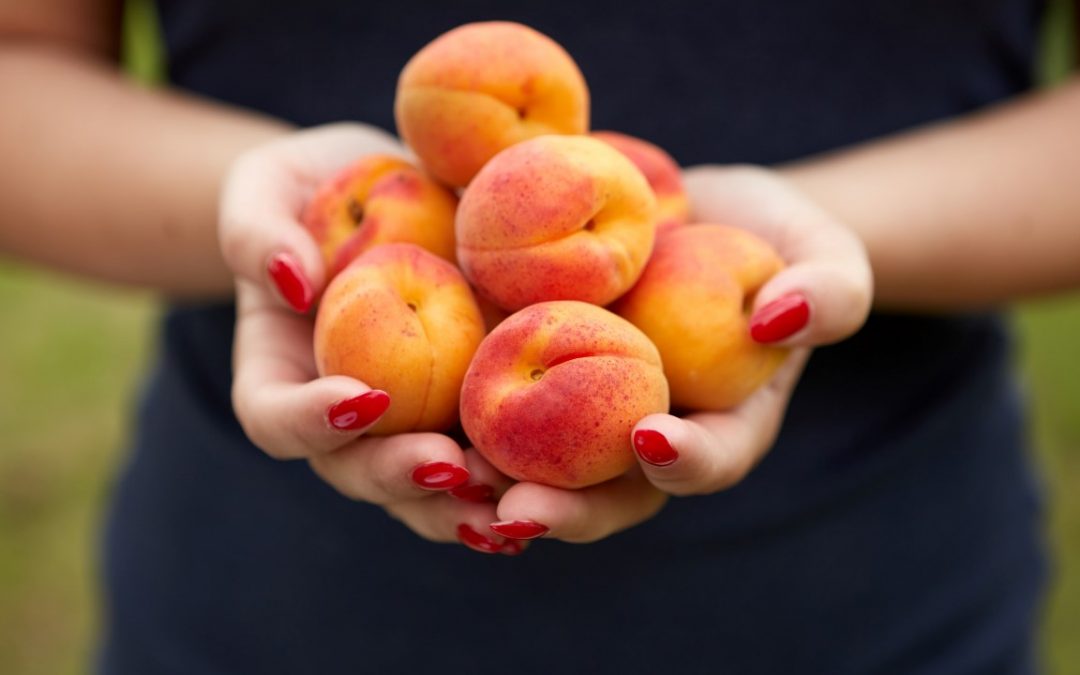
Healthy apricot trees reward you with blossom in spring and sweet fruit in summer – but only if their basic care, feeding and disease prevention are on point. The good news is that once you understand what apricot trees need, keeping them healthy becomes a simple yearly routine.
If you’re still setting up your trees or deciding where to plant them, read How to Grow Your Own Apricots (Beginner-Friendly Guide) first, then come back to this apricot tree care guide to focus on long-term health and productivity.
Contents
- 0.1 Understanding what a healthy apricot tree looks like
- 0.2 Choosing the right spot and basic conditions
- 0.3 Watering apricot trees the right way
- 0.4 Feeding and fertilising for strong growth and fruit
- 0.5 Pruning apricot trees for health
- 0.6 Common apricot tree problems and how to tackle them
- 0.7 Seasonal apricot tree care checklist
- 0.8 FAQs about apricot tree care and health
- 0.9 Final Thoughts on Apricot Tree Care
- 0.10 Related Articles
- 1 Learn How to Combat Peach Tree Diseases
Understanding what a healthy apricot tree looks like
Before you can spot problems, it helps to know what good apricot tree health looks like:
Strong framework of branches with no major cracks or cankers
Smooth, unblemished bark on new shoots
Fresh green leaves with no significant yellowing, curling or spotting
Blossom that appears reliably in spring
New shoots each year and gradual thickening of branches
If your apricot tree care routine supports steady growth (not wild, not weak), you’re usually on the right track.
Choosing the right spot and basic conditions
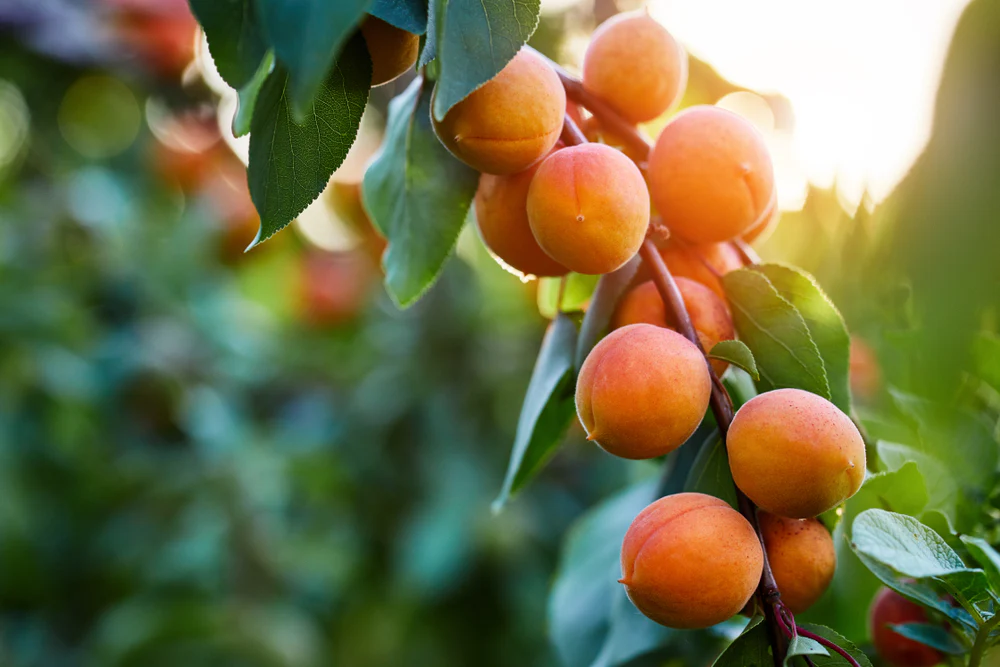
Even the best apricot tree care routine can’t fully compensate for a poor location. Apricots are sun-lovers.
Light:
Aim for full sun – at least 6–8 hours of direct light per day.
South or south-west facing positions are ideal.
Shelter:
Choose a spot that’s sheltered from strong winds, which can snap young shoots and strip blossom.
A warm wall or fence is perfect in cooler climates.
Soil:
Free-draining, moderately fertile soil is best.
Heavy clay should be improved with organic matter and grit.
Avoid waterlogged spots – apricots hate sitting in cold, wet soil.
If your garden soil is poor or very heavy, consider growing apricot trees in large containers with a high-quality, loam-based compost.
Watering apricot trees the right way
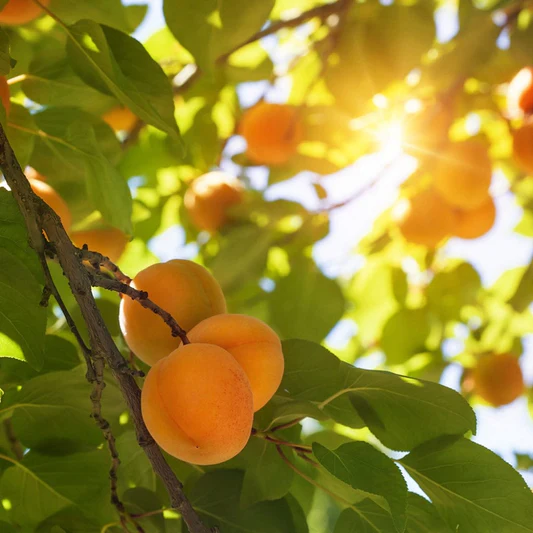
Apricot tree care is all about consistency. Too much or too little water at the wrong time can damage roots, stress the tree and even cause fruit drop.
Young trees (first 2–3 years):
Water deeply once or twice a week in dry weather.
Let the top few centimetres of soil dry slightly between waterings.
A slow soak is better than frequent light sprinkles.
Established trees in the ground:
Usually cope well with natural rainfall.
In prolonged dry spells (especially during fruit swelling), give a deep soak every 7–14 days.
Apricot trees in containers:
Check moisture frequently – pots dry out faster.
Water when the top 3–5 cm of compost feels dry.
Always allow excess water to drain out of the bottom.
Mulching around the base with compost or well-rotted manure helps keep roots cool and moist in summer.
Feeding and fertilising for strong growth and fruit
A thoughtful feeding routine is a big part of apricot tree care. The goal is balanced, steady growth – not soft, sappy shoots that are prone to disease.
Annual feeding plan:
Late winter / early spring:
Apply a balanced, general-purpose fertiliser around the tree’s root zone.
Lightly fork it into the soil and water in.
Mid-spring:
Top-dress with well-rotted compost or manure to boost soil health.
Mid-summer (if growth seems weak):
Give a light feed with a balanced fertiliser to support fruiting and next year’s buds.
Avoid heavy feeding late in the season – it encourages tender growth that can be damaged by frost.
A granular, balanced fruit tree fertiliser is ideal for steady feeding.
Avoid overfeeding with high-nitrogen products, which can produce lots of leaves at the expense of flowers and fruit.
Pruning apricot trees for health
Regular pruning prevents congestion, improves airflow and makes it easier to spot problems early.
Main aims of pruning:
Remove dead, damaged or diseased wood.
Maintain an open, goblet-shaped framework so light and air reach the centre.
Thin out crossing or rubbing branches.
When to prune:
Apricots are usually pruned in late spring or early summer in many climates, rather than mid-winter, to reduce the risk of disease entering fresh cuts.
Always check local advice for your region.
Basic steps:
- Start by cutting out any dead or obviously diseased branches back to healthy wood.
- Remove inward-growing shoots that crowd the centre of the tree.
- Thin overly dense areas so sunlight can reach most leaves and fruit.
- Make clean cuts just above a bud or branch junction and avoid leaving stubs.
A sharp pair of bypass pruning shears makes clean cuts that heal quickly.
Never prune heavily stressed or waterlogged trees – let them recover first.
Common apricot tree problems and how to tackle them
Even with good apricot tree care, problems can still appear. Catching them early is key.
Fungal diseases
Apricots can suffer from fungal issues such as canker, leaf spot and blossom blight.
Typical signs:
Sunken, dead patches on branches (cankers)
Brown or wilting blossom
Spots on leaves that may drop prematurely
What to do:
Prune out affected shoots back to healthy wood and dispose of them (don’t compost).
Disinfect pruning tools between cuts.
Improve airflow by thinning crowded growth.
Avoid overhead watering, especially in the evening.
Many gardeners also use copper-based or approved fruit tree fungicides as part of a prevention plan – always follow local regulations and label instructions.
For more detailed, science-backed guidance on treating issues, see this apricot disease control advice from a trusted horticultural organisation.
Pests on apricot trees
Common apricot pests include aphids, scale insects and caterpillars.
Signs to watch for:
Sticky honeydew and sooty mould on leaves (often from aphids).
Small bumps on stems (scale insects).
Chewed leaves or fruits (caterpillars or beetles).
Control tips:
Spray aphids off with a strong jet of water or use a soft soap solution.
Rub off scale insects or use an appropriate horticultural oil.
Encourage beneficial insects by avoiding harsh chemical sprays when possible.
Sticky traps and regular inspections make it easier to catch problems early on young trees.
Nutrient deficiencies and stress
Not all problems are pests and diseases – some are simple nutrient or water issues.
Yellow leaves: could indicate overwatering, poor drainage or lack of nitrogen.
Small leaves and weak growth: may be due to tired soil or root congestion (especially in pots).
Dieback of shoots: can come from root damage, drought stress or disease.
Good apricot tree care always starts with the basics: correct watering, healthy soil and appropriate feeding. Once those are right, many minor issues improve on their own.
Seasonal apricot tree care checklist
A simple yearly checklist helps you stay on top of apricot tree health.
Late winter / early spring
Check for winter damage and remove any broken branches.
Apply balanced fertiliser around the root zone.
Top up mulch, keeping it away from the trunk itself.
Spring
Monitor blossom and early leaf growth.
Watch for signs of fungal disease in cool, damp spells.
Start watering young trees regularly if conditions are dry.
Summer
Keep an eye on soil moisture, especially in containers.
Thin fruit if branches are overloaded to prevent breakage.
Prune lightly to maintain shape and airflow once risk of major frost is past.
Autumn
Clear fallen leaves and mummified fruit from under trees to reduce disease carry-over.
Check stakes and ties on young trees and adjust if they’re rubbing.
FAQs about apricot tree care and health
1. How often should I water my apricot tree?
Young trees need regular deep watering in dry weather – usually once or twice a week in summer. Established trees in the ground may only need extra water during long dry spells, while container-grown apricot trees will need more frequent checks and watering whenever the top of the compost feels dry.
2. When is the best time to feed apricot trees?
Feed in late winter or early spring with a balanced fertiliser, then top-dress with compost. You can give a light additional feed in mid-summer if growth looks weak, but avoid heavy feeding late in the season so the tree can harden off before winter.
3. Why are my apricot tree’s leaves turning yellow?
Yellowing leaves can be caused by overwatering, poor drainage, nutrient deficiency or root problems. Check that the soil is free-draining, adjust your watering, and ensure the tree is getting a balanced fertiliser each year. If only a few older leaves yellow towards the end of the season, that can be perfectly normal.
4. How can I reduce fungal disease on apricot trees?
Good airflow and hygiene are essential. Prune to keep the canopy open, remove diseased leaves and shoots promptly, and avoid overhead watering. In problem areas, some gardeners use approved fungicides as part of a preventative apricot tree care routine, following label guidance carefully.
5. Can apricot trees be grown successfully in containers?
Yes, especially dwarf or patio varieties. Use a large pot with drainage holes, a high-quality compost, controlled watering and regular feeding. Container apricot trees benefit greatly from controlled-release fertiliser and careful watering, as their roots can’t explore new soil when conditions change.
Final Thoughts on Apricot Tree Care
Apricot tree care doesn’t have to be complicated. By giving your trees full sun, free-draining soil, consistent watering, sensible feeding and regular pruning, you create the right conditions for long-term health and reliable harvests.
Check your trees little and often, rather than only when something looks seriously wrong. With a simple seasonal routine and early action on pests or diseases, your apricot trees can stay strong, productive and beautiful for many years.
Related Articles
Strengthen Your Stone Fruit Care Routine
Learn How to Combat Peach Tree Diseases
If you’d like to go deeper into spotting and treating problems on other stone fruit, Combatting Peach Tree Diseases is the perfect follow-up. It walks through common symptoms, treatment options and prevention tips so you can apply the same smart, proactive care across your whole fruit tree collection.