
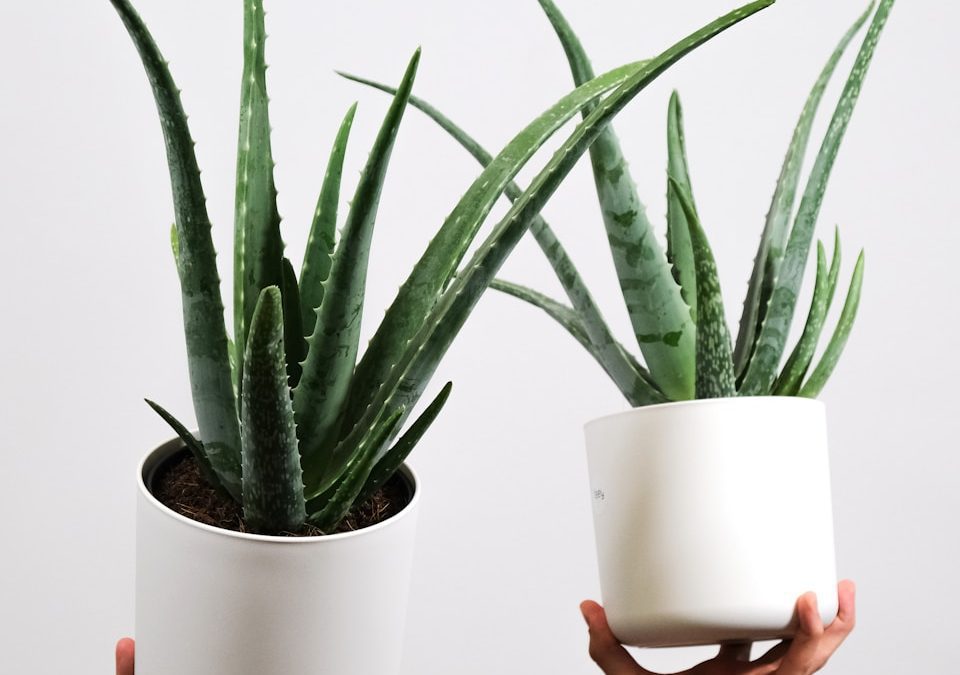
Aloe vera is one of those houseplants that seems “easy” until the leaves start drooping, going brown on the tips or shrinking into the pot. With the right aloe vera care though, it’s a tough, long-lived plant that doesn’t need much attention and looks good on desks, shelves and sunny windowsills.
In this article, you’ll learn exactly how to look after aloe vera indoors – from light and watering to soil, repotting and fixing common problems. If you’re refreshing pots at the same time, you might also like How to Clean and Sanitize Indoor Plant Pots for Healthy Growth.
Contents
- 0.1 Aloe Vera Care Basics Indoors
- 0.2 Light Requirements for Aloe Vera Indoors
- 0.3 Best Soil and Pots for Aloe Vera
- 0.4 How to Water Aloe Vera Indoors
- 0.5 Feeding and Repotting Aloe Vera
- 0.6 Propagating Aloe Vera from Pups
- 0.7 Common Aloe Vera Problems and Fixes
- 0.8 FAQs About Aloe Vera Care Indoors
- 0.9 Final Thoughts on Aloe Vera Care
- 0.10 Related Articles
- 1 How to Use a Soil Moisture Meter Properly
Aloe Vera Care Basics Indoors
Aloe vera is a succulent, which means its thick leaves store water. That changes how you care for it compared to leafy tropical houseplants. Good aloe vera care indoors comes down to five main things:
Plenty of bright light
Very well-draining soil
Infrequent but deep watering
Pots with good drainage
Not overfeeding
Get those right and you’ll avoid 90% of the usual problems like rot, floppy leaves and stalled growth.
Light Requirements for Aloe Vera Indoors
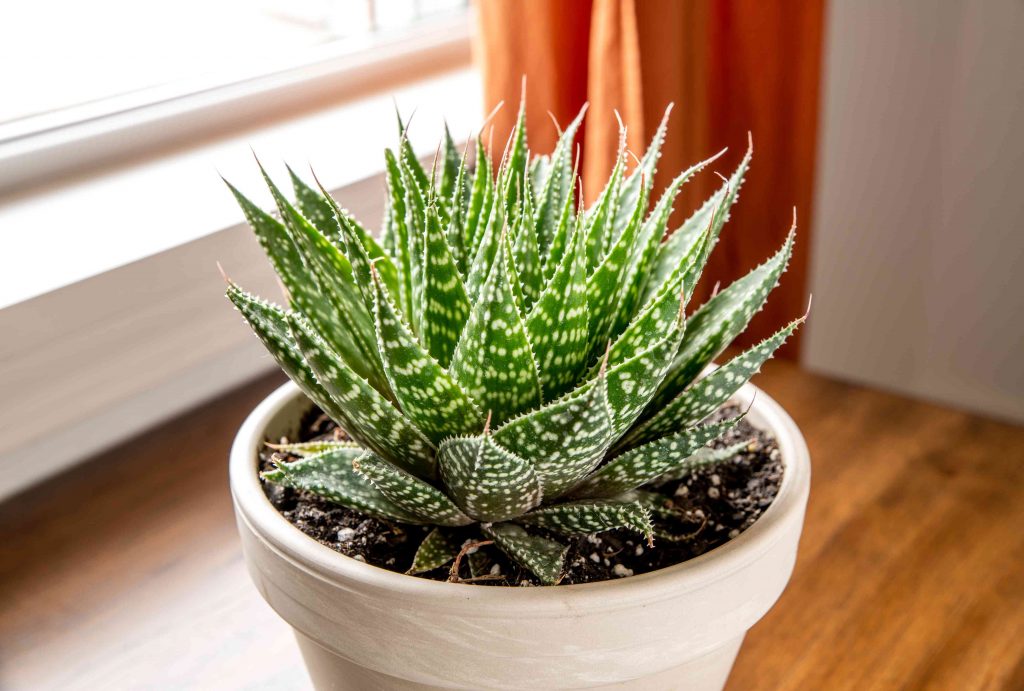
Aloe vera loves light – much more than many common houseplants.
Aim for bright, indirect light for most of the day.
A south- or west-facing windowsill is ideal in the UK, especially in autumn and winter.
In very strong summer sun behind glass, you may need to move it slightly back to avoid scorching.
Signs your aloe isn’t getting enough light:
Long, stretched leaves reaching towards the window
Pale or dull green colour
Plant leaning or collapsing to one side
If your home is generally dim, a small adjustable LED grow light bar for shelves can help keep aloe compact and sturdy year-round.
Best Soil and Pots for Aloe Vera
Soil
Aloe hates sitting in heavy, soggy compost. It needs a gritty mix that drains quickly.
Use a cactus and succulent potting mix rather than standard houseplant soil.
Or mix your own: roughly 2 parts multi-purpose compost to 1 part grit or perlite.
The aim is soil that goes from wet to dry fairly quickly between waterings.
A gritty cactus and succulent potting mix gives aloe roots the fast drainage they need and reduces the risk of rot.
Pots
Choose pots with drainage holes – aloe in a pot with no holes is asking for trouble.
Terracotta (clay) pots are great because they let excess moisture evaporate.
Pick a pot just a little wider than the root ball; huge pots hold too much wet soil.
A set of terracotta pots with drainage holes and saucers works well if you like grouping several aloes or succulents together on a windowsill.
How to Water Aloe Vera Indoors
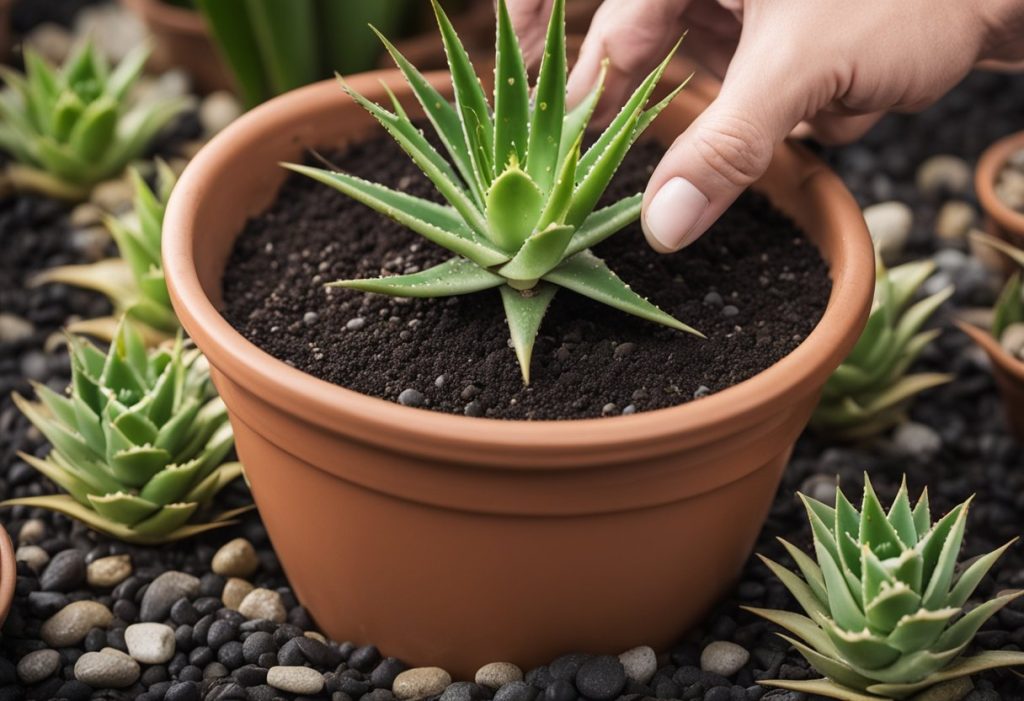
Watering is where most aloe plants go wrong. Remember: it would rather be too dry for a bit than constantly damp.
How Often to Water
There’s no fixed schedule because it depends on light, temperature and pot size, but as a guide:
In spring and summer: roughly every 2–3 weeks.
In autumn and winter: every 3–4 weeks, sometimes longer.
Always check the soil first:
Let at least the top half of the pot – ideally most of it – dry out between waterings.
If in doubt, wait a few more days.
A simple soil moisture meter for indoor plants can help you see what’s happening deeper in the pot instead of guessing from the surface.
How to Water Properly
Water thoroughly, until a little comes out of the drainage holes.
Empty the saucer after 10–15 minutes so roots aren’t sitting in water.
Avoid pouring water into the central rosette – it can sit there and cause rot.
Signs of overwatering:
Soft, mushy or translucent leaves
Brown or black bases to the leaves
Compost that stays wet for days
Signs of underwatering:
Very thin, curled or wrinkled leaves
Pot feels very light
Leaves may turn crispy at the tips
Feeding and Repotting Aloe Vera
Feeding
Aloe vera doesn’t need heavy feeding, but a little boost in the growing season helps.
Use a diluted cactus or succulent fertiliser once a month in spring and summer.
Skip feeding in autumn and winter when growth slows.
Avoid all-purpose feed at full strength – it’s easy to overdo it.
Repotting
You don’t need to repot aloe very often. Every 2–3 years is usually fine, or when you notice:
Roots circling tightly around the pot
Soil breaking down into a very fine, compacted texture
Lots of offsets (“pups”) pushing against the sides
When repotting:
- Water very lightly a few days beforehand so the soil is just barely moist.
- Gently ease the plant out of its pot, supporting the base.
- Brush away old soil and trim any dead or mushy roots.
- Replant into fresh gritty mix in a slightly larger pot.
- Wait about a week before watering to let any root damage heal.
Propagating Aloe Vera from Pups
Mature aloe plants often produce small baby plants (pups) around the base. These are the easiest way to get more plants.
- Wait until pups are a decent size – a few leaves and their own small root system.
- Remove the whole plant from the pot and gently tease soil away.
- Separate pups from the main plant, cutting with a clean knife if they don’t come away easily.
- Pot each pup into a small pot with fresh succulent mix.
- Keep them slightly dry for the first week, then water lightly.
Don’t worry if a leaf or two looks a bit sulky at first – as long as the roots establish, pups usually perk up after a few weeks.
Common Aloe Vera Problems and Fixes
Even with good aloe vera care, things can occasionally go wrong. Here’s how to read the signs.
Brown Tips
Often caused by:
Underwatering over a long period
Very dry air near radiators
Salt build-up from fertiliser
Fix:
Water more consistently (but don’t soak constantly), move away from direct heat sources, and occasionally flush the soil by watering thoroughly and letting excess drain away.
Soft, Mushy Leaves
Usually a sign of overwatering or poor drainage.
Fix:
Let the soil dry out almost completely. Check the base of the plant and roots; if they’re brown and mushy, repot into dry gritty compost and trim away rotten parts.
Leaves Turning Red or Brown at the Edges
This can be either sun stress or drought stress:
If in very intense sun, move slightly back from the window.
If the pot is bone dry and leaves are thin, water more reliably.
Pests
Aloe can occasionally attract mealybugs or scale, which look like white fluff or brown bumps on leaves.
Fix:
Wipe affected areas with a cotton bud dipped in diluted soapy water or rubbing alcohol.
Repeat weekly until no new pests appear.
For more detailed background on aloe as a houseplant and its preferences, many gardeners refer to Royal Horticultural Society advice on growing aloe vera indoors, which emphasises bright light, gritty soil and careful watering as the key foundations.
FAQs About Aloe Vera Care Indoors
How often should I water aloe vera indoors?
In bright indoor conditions, watering every 2–3 weeks in summer and every 3–4 weeks in winter is common, but always check the soil first. Let most of the pot dry out between waterings and err on the dry side if you’re not sure.
Can aloe vera live in low light?
Aloe can survive for a while in low light, but it won’t thrive. It will stretch, lean and lose its compact shape. For best results, give it a bright windowsill or supplement with a small grow light.
Is aloe vera safe around pets?
Aloe vera gel is often used on human skin, but the plant itself is considered toxic to cats and dogs if eaten. It’s best to keep aloe out of reach of pets that like to chew foliage.
Why is my aloe vera flopping over?
Floppy leaves usually mean either not enough light (stretched, weak growth) or root problems from overwatering. Improve light levels and check that the pot drains well and the soil isn’t staying wet.
Can I use aloe vera from my plant on my skin?
Many people do, but always be cautious. Patch test on a small area first and avoid using if you’re unsure, have sensitive skin, or have been advised against it. Make sure the leaf surface is clean and only use the clear inner gel, not the yellowish sap near the rind.
Final Thoughts on Aloe Vera Care
Aloe vera is one of the easiest succulents to grow indoors once you treat it like what it is – a desert plant that wants light, air and time to dry out between drinks. With the right soil, pot and watering routine, it will quietly put out new leaves for years with very little fuss.
Focus on strong light, fast drainage and gentle feeding, and you’ll avoid most of the classic problems. Over time, you can even start propagating pups and sharing plants with friends, turning a single aloe into a small collection across your home.
Related Articles
STOP OVERWATERING YOUR SUCCULENTS
How to Use a Soil Moisture Meter Properly
Learn how to read a moisture meter so you know exactly when aloe and other succulents really need a drink. With a quick probe into the pot instead of guessing from the surface, you can avoid rot, keep roots healthier and space out watering with confidence.