If you’re considering compost tea for indoor plants, the big goal is simple: a gentle boost to soil life and plant health without creating fungus gnats, smells, or soggy compost. Used the right way, compost tea can be helpful. Used the wrong way, it can make indoor pots worse fast.
Quick answer: compost tea for indoor plants
-
Use it diluted and only on healthy, actively growing plants.
-
Apply to moist compost (never to bone-dry soil).
-
Avoid using it if you already have fungus gnats, mouldy soil, or slow-drying pots.
-
Make it fresh and use it quickly — don’t store it for days indoors.
-
Think “occasional support,” not weekly feeding.
Do this first: Fix drainage and watering rhythm first — compost tea won’t help if pots stay wet for days.
If you want a clear baseline on indoor feeding (and when to skip it), How Often to Fertilize Indoor Plants helps you avoid overdoing any feed indoors.
What compost tea actually is
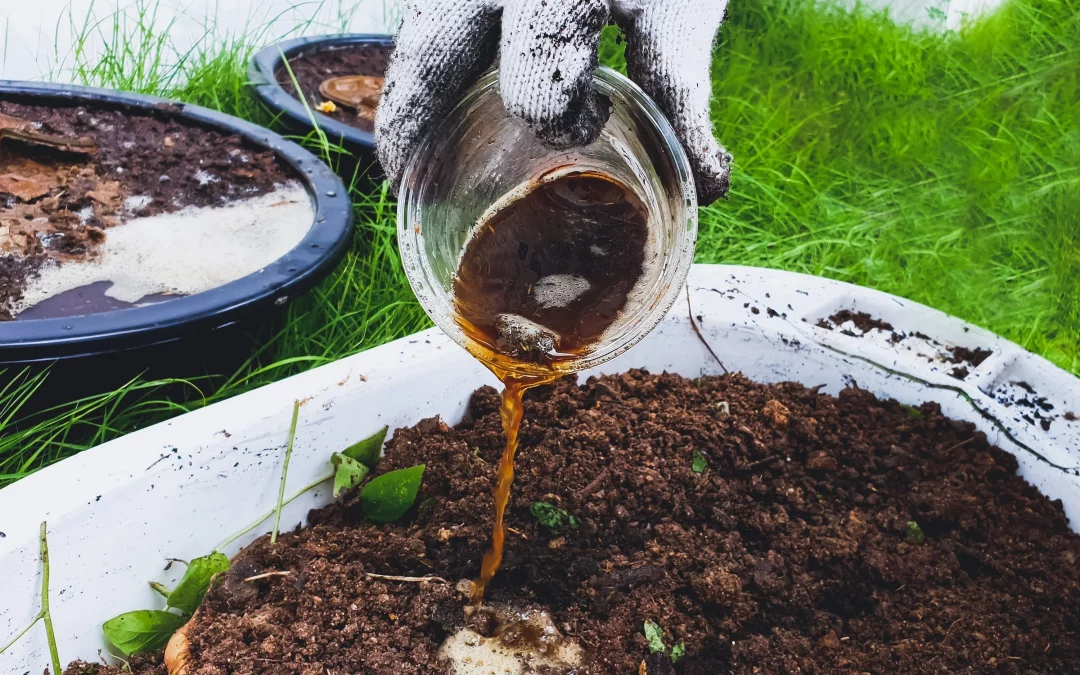
Compost tea is a liquid made by soaking (or brewing with airflow) compost in water. People use it to introduce beneficial microbes and mild nutrients to the root zone.
What it is good for indoors:
-
gentle support for soil biology (especially in larger pots)
-
a light “pick-me-up” during active growth
-
occasional use after repotting once the plant is stable
What it isn’t:
-
a replacement for light (low light = slow growth no matter what)
-
a fix for soggy compost
-
a guaranteed cure for pests or disease

Is compost tea safe for indoor plants?
For most homes, compost tea is safe when you keep it light and clean, and risky when you treat it like a heavy fertiliser.
Compost tea is more likely to cause problems indoors when:
-
compost stays damp for too long
-
there’s already fungus gnat activity
-
the tea is strong, smelly, or stored too long
-
you pour it into decorative pots that trap water
If your soil already smells musty or sour, it’s better to fix the cause first — Why Indoor Plant Soil Smells Bad (7 Causes + Fast Fixes) is a useful diagnosis checklist before adding anything extra.
Compost tea vs compost: which is better indoors?
For many indoor growers, compost (top-dressed lightly) is more predictable than tea because it’s slower and less likely to cause smell or moisture issues.
Compost tea can still be worth it if:
-
you can keep pots drying normally
-
you want a gentle boost without repotting
-
you’ll use it occasionally, not constantly
If you’re trying to keep indoor pots tidy and low-mess, you might prefer improving your soil mix instead — Reuse Potting Soil is a good read if you’re trying to refresh rather than constantly replace compost.
A simple compost tea recipe for indoor plants (low smell, low risk)
This version is designed for indoor use — minimal stink, minimal mess.
What you need
-
a small bucket or jar (2–5 litres is plenty)
-
finished compost (not fresh food scraps)
-
water left out overnight (so it’s not strongly chlorinated)
-
optional: a mesh bag or clean sock to hold compost (makes straining easy)
A reusable mesh strainer bag makes compost tea cleaner to pour indoors without clogging soil or making a mess.
Basic method (non-fussy)
-
Add a small handful of finished compost to your container (or into the mesh bag).
-
Fill with water.
-
Stir well once, then let it steep for 12–24 hours.
-
Stir again before using, then strain.
-
Use the same day.
Indoor rule: if it smells strongly rotten, don’t use it.

How to use compost tea indoors (without inviting fungus gnats)
Use compost tea the way you’d use a gentle tonic: small dose, occasional use, applied correctly.
A safe method:
-
apply only when compost is already slightly moist
-
water just enough to dampen the root zone
-
keep airflow reasonable so the top layer dries
If you’re unsure whether your pots are drying properly (and you don’t want to guess), Soil Moisture Meter Guide can help you check the root zone before adding extra liquids.
If you’re using any compost-based input indoors, it helps to prioritise mature, finished compost rather than fresh scraps — and the Royal Horticultural Society’s composting guidance reinforces that kitchen waste is best used once properly broken down into stable compost.
When NOT to use compost tea indoors
Skip compost tea if any of these are true:
-
you currently have fungus gnats
-
you’re seeing mould on the soil surface
-
compost stays wet for 3+ days after watering
-
the plant is already stressed (drooping, yellowing, root issues)
If gnats are already a problem, sort that first — Fungus Gnats is the most direct fix-it page to reduce the cycle before adding any “soil boosters.”
Long-tail quick fixes (fast answers)
Should you use compost tea on houseplants in winter?
Usually no. Growth slows in low light, pots dry slower, and compost tea is more likely to cause damp issues. If you do use it, keep it very diluted and very occasional.
Can compost tea cause mould on soil?
It can if the soil surface stays damp. If this is a recurring issue, fix airflow and watering rhythm first — Prevent Mold in Indoor Soil is the best place to start.
Compost tea vs liquid fertiliser: which is better?
Liquid fertiliser is usually more predictable for nutrients. Compost tea is more about a gentle “soil-life” boost. If you want nutrient clarity, Liquid Fertilizer makes the options easier to understand.
How often can you use compost tea indoors?
For most indoor setups, once every 3–6 weeks during active growth is plenty. Weekly use is where smell/gnat risk rises.
FAQs About Compost Tea for Indoor Plants
Does compost tea replace fertiliser?
Not really. Compost tea is usually mild. It can support soil biology, but it’s not a reliable nutrient plan by itself.
Can compost tea attract fungus gnats?
It can if it keeps the soil surface damp. Use less, improve airflow, and avoid it entirely if gnats are already present.
Should compost tea smell bad?
No. A strong rotten smell is a red flag indoors — don’t apply it.
Is compost tea safe for all houseplants?
Most will tolerate a diluted tea, but plants that prefer drying out (succulents/cacti) usually don’t benefit much and can be easier to overwater.
Final Thoughts on Compost Tea for Indoor Plants
Compost tea for indoor plants can be useful — but only when your pots already dry normally and the plant is actively growing. Keep it diluted, fresh, and occasional. If you’re fighting gnats, mould, or slow-drying compost, fix those basics first and you’ll get better results than any “boost” can provide.
Related Articles
Keep feeding simple and avoid “mystery” soil issues
Build a Routine That Supports Roots First
ompost tea works best when pots drain well and your watering rhythm is steady. If you focus on airflow, sensible watering, and occasional gentle feeding, indoor plants stay healthier and you avoid the damp-soil problems that compost liquids can trigger.